Starbucks cut approximately 180 jobs by combining its London and Hong Kong offices, with about 120 positions cut in London and 60 in Hong Kong as part of a global restructuring plan by June 2026 [1, 2, 3, 4]. The London office oversees Starbucks’ Europe, Middle East, and Africa operations while the Hong Kong office manages the Asia-Pacific region excluding China and Japan [1, 2, 3, 4].
The restructuring aims to reduce expenses, eliminate duplicative management roles, and provide third-party licensees greater autonomy to operate stores outside North America [1, 2, 3, 4]. Starbucks is shifting from directly owning international stores to giving licensees more control to free up resources for its U.S.-owned stores [1, 2, 3, 4]. The company plans to double its international store count to around 40,000, largely through license partners [2, 3].
Last year, Starbucks sold a 60% stake in its China business and is exploring options for its Japan operations [5, 2, 6, 3, 4]. Despite the restructuring, Starbucks’ international business recorded about 3% same-store sales growth in the quarter ending March 29, 2026, marking the third consecutive quarter of growth [2, 3]. Starbucks’ share price climbed about 20% year-to-date, closing at $100.65 on June 18, 2026 [2, 3].
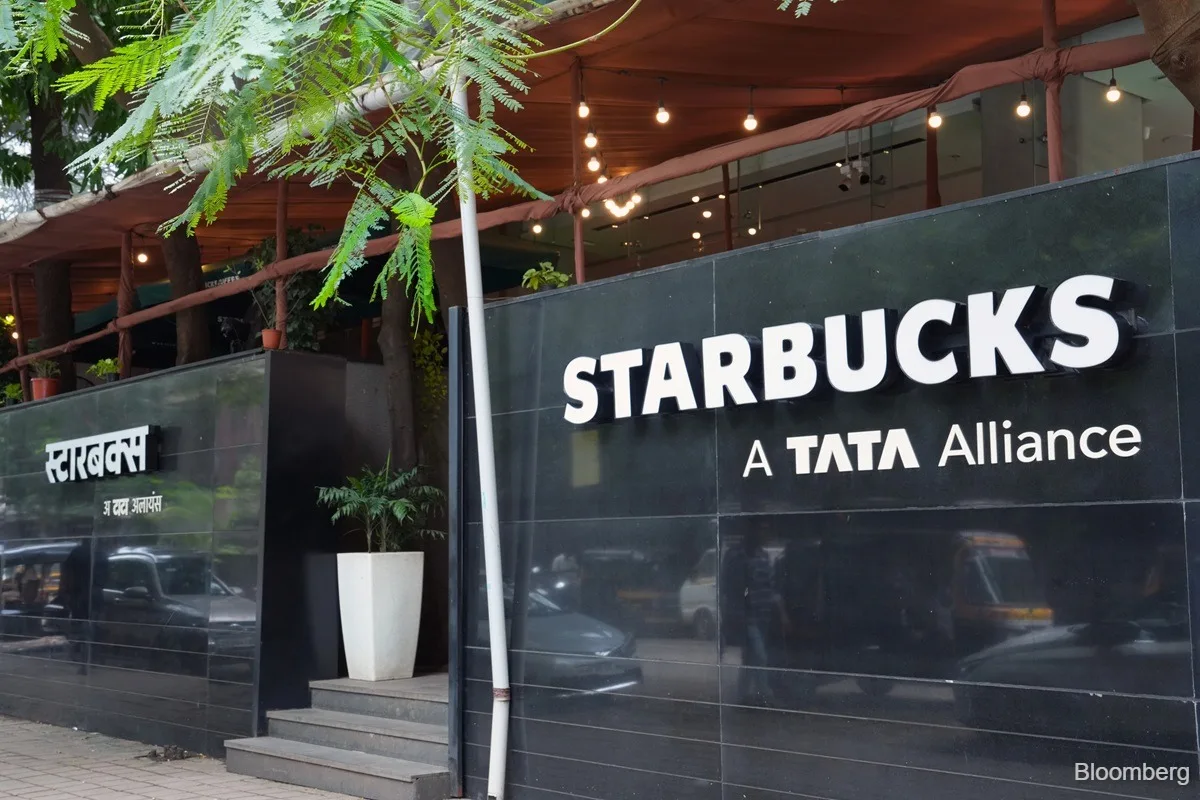
In India, Tata Starbucks has more than doubled its stores to over 500 in four to five years and plans to add 50 to 100 stores annually [5, 6]. CEO Sushant Dash called India "one of the fastest growing markets for Starbucks globally," noting the Reserve premium format is seeing "stronger-than-expected demand for premium beverages" [5]. Tata Starbucks remains loss-making but "will not sacrifice growth for profitability," Dash added [6]. Coffee consumption in India stands at about 24% of the population compared to 93% drinking tea, suggesting significant growth potential [5, 6].
Starbucks gave no additional comment on the recent layoffs beyond referring to its May 2026 global restructuring announcement [2, 3].