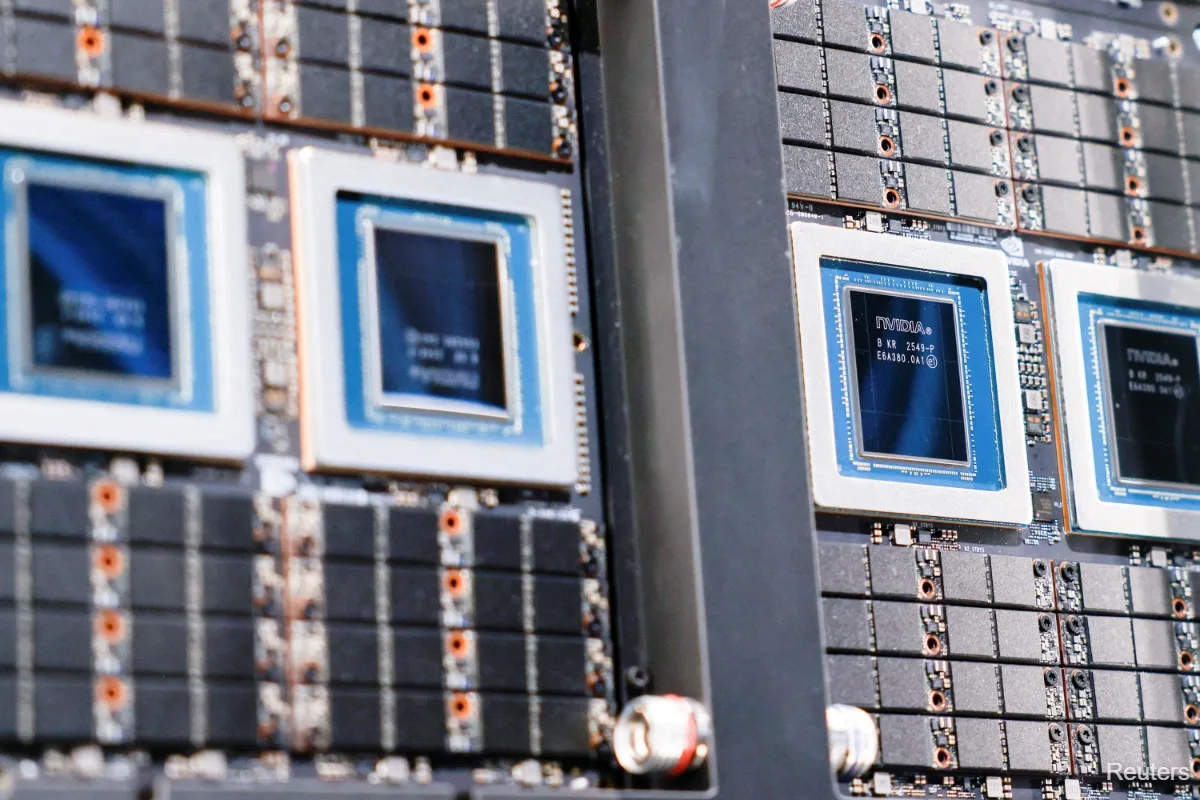
Taiwan prosecutors detained an Nvidia employee named Chang on July 28 as part of an investigation into the smuggling of AI servers containing Nvidia chips to China [1, 2, 3, 4]. Authorities suspect Chang falsified business documents and breached trust related to shipments of about 50 Super Micro servers equipped with Nvidia AI chips [1, 2, 3, 5, 4]. The shipments allegedly passed through Japan using falsified paperwork to circumvent U.S. export controls that have restricted advanced Nvidia chip exports to China since at least 2022 [1, 5].
The investigation has led to the detention of seven individuals in Taiwan, including the Nvidia employee, two employees from Super Micro Computer, and one from Albatron Technology [1]. The probe connects to a wider U.S. Justice Department case that charged three Super Micro employees, including co-founder Yih-Shyan Liaw, in March for conspiring to smuggle U.S. AI technology to China with an estimated value of $2.5 billion [2, 3, 5].
Searches of Chang's home and workplace in Taipei occurred on July 24 as part of the inquiry [1, 2, 6, 3, 5]. Prosecutors cited concerns about flight risk and potential collusion as reasons for detaining Chang [1, 2, 3, 4]. Taiwan's earlier rounds of detentions started in May and June, targeting individuals allegedly involved in exporting Super Micro AI servers to China [2, 6].
A Nvidia spokesperson denied any involvement in smuggling and said, “Smuggling is a nonstarter. We primarily sell our products to well-known partners, including OEMs, who help us ensure that all sales comply with U.S. export control rules. Even relatively small exporters and shipments are subject to thorough review and scrutiny on both sides of the globe, and any diverted products would have no service, support, or updates” [1].
Authorities continue their investigation into the export violations related to Nvidia AI chips and associated companies, with no public updates yet on further legal actions.