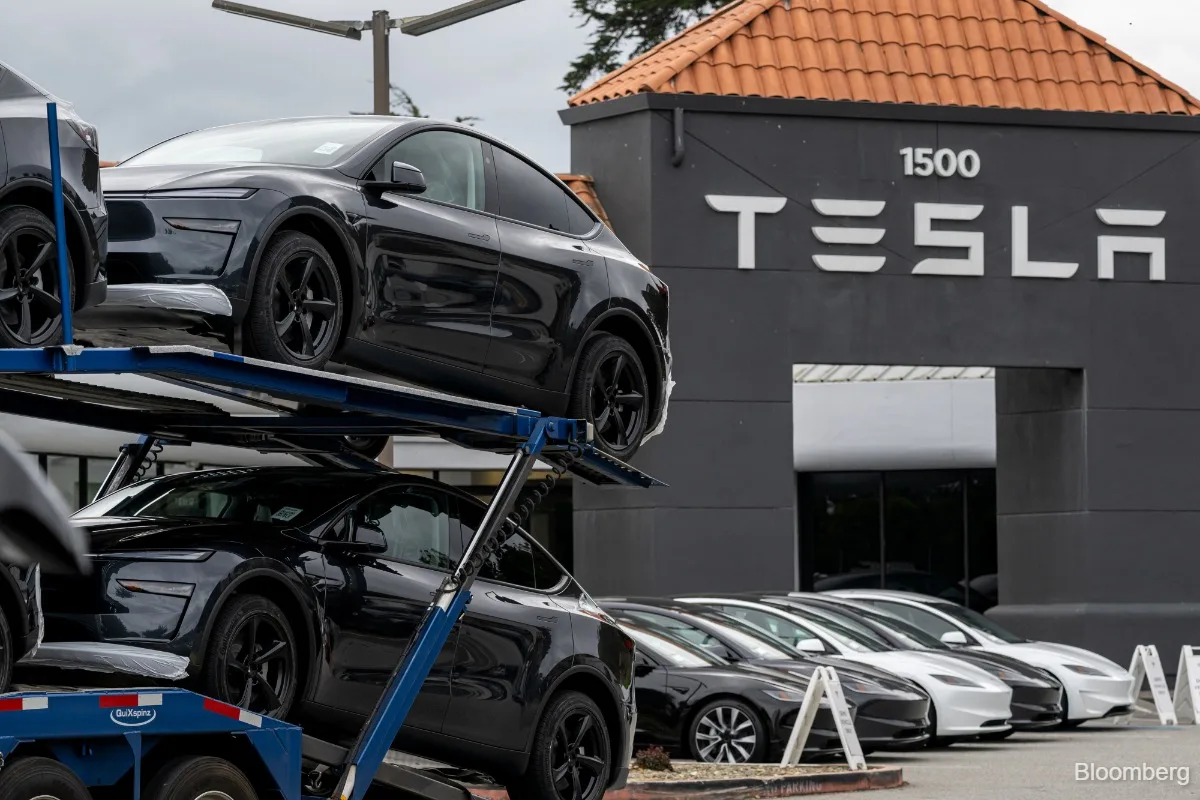
Tesla delivered 480,126 vehicles globally in the second quarter of 2026, marking a 25% rise from the previous year and beating estimated delivery ranges of 396,000 to 406,000 units [1, 2, 3]. Production reached 451,758 vehicles, a 10% year-on-year increase, but remained below deliveries, suggesting a drawdown of inventory [3, 4, 5].
The Model 3 sedan and Model Y SUV accounted for roughly 467,762 deliveries, about 97% of the total, with other models such as the Cybertruck and discontinued Model S and X making up the remainder [3, 4, 5]. Tesla ceased assembly of the Model S and X in May 2026, sharply reducing their production [6, 3, 7].
Tesla’s sales growth was largely driven by recovery in China and Europe amid rising European fuel costs, government subsidies, and a fading backlash against CEO Elon Musk’s politics. Analyst Garrett Nelson said, "This was a much stronger than expected deliveries number, which we think was primarily driven by China and Europe" [1]. Seth Goldstein added, "Strong growth in the European market is the key driver fueling Tesla right now" [8].
Despite the strong delivery figures, Tesla shares fell about 7.5% on July 2, 2026, due to recent strong gains and tempered market expectations, with Haris Khurshid noting, "Once the news actually arrived there just wasn’t as much left to get excited about" [2, 6].
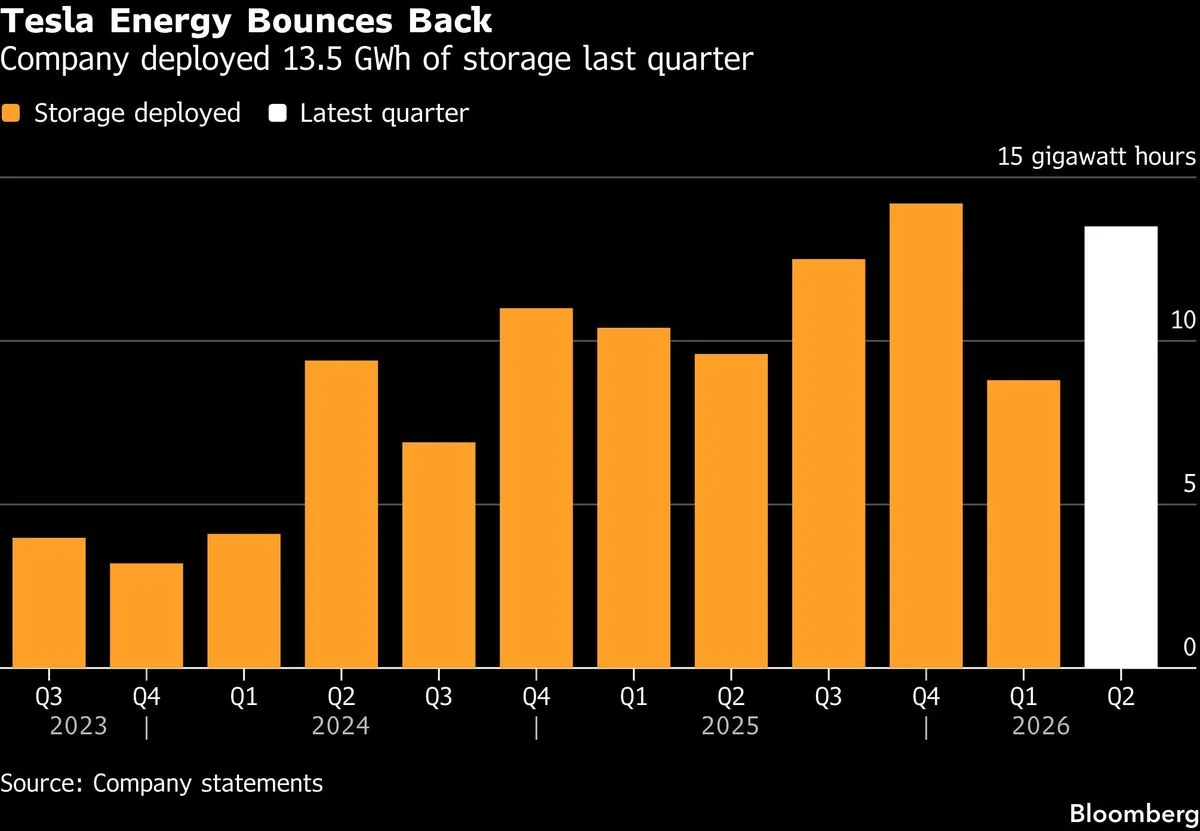
In energy storage, Tesla deployed 13.5 gigawatt hours in Q2 2026, up 40-53% from the prior quarter and year-earlier period [1, 3, 9].
The Cybertruck’s demand remains disappointing, limited mainly to North America and some commercial sales to the SpaceX fleet [1, 2, 3]. Tesla launched a limited Robotaxi service in Austin, Texas in June 2026, with plans to expand rapidly through the year [7, 8, 10].
Tesla plans capital expenditures exceeding $25 billion in 2026, nearly three times 2025’s outlay, focusing on AI infrastructure, Optimus humanoid robots, Cybercab autonomous taxis, and expanding battery production [1, 2, 6].