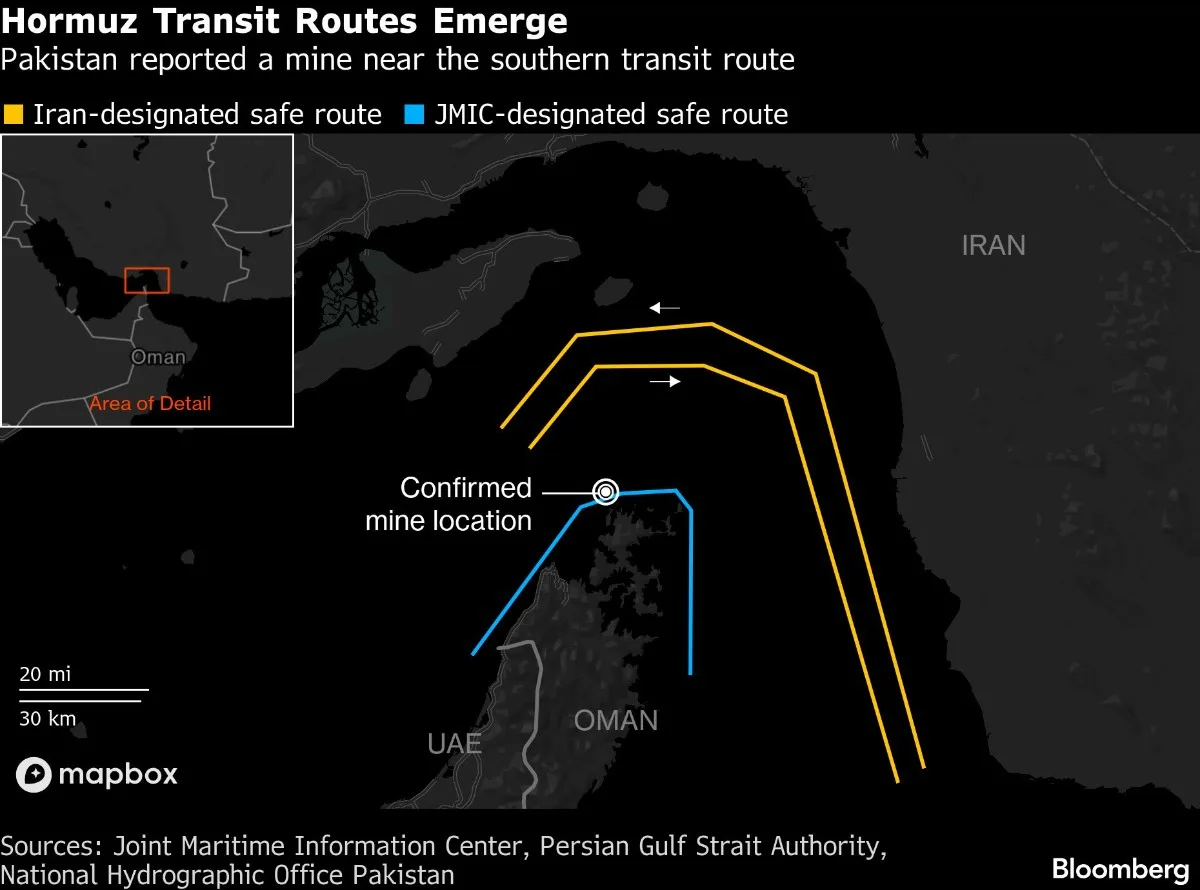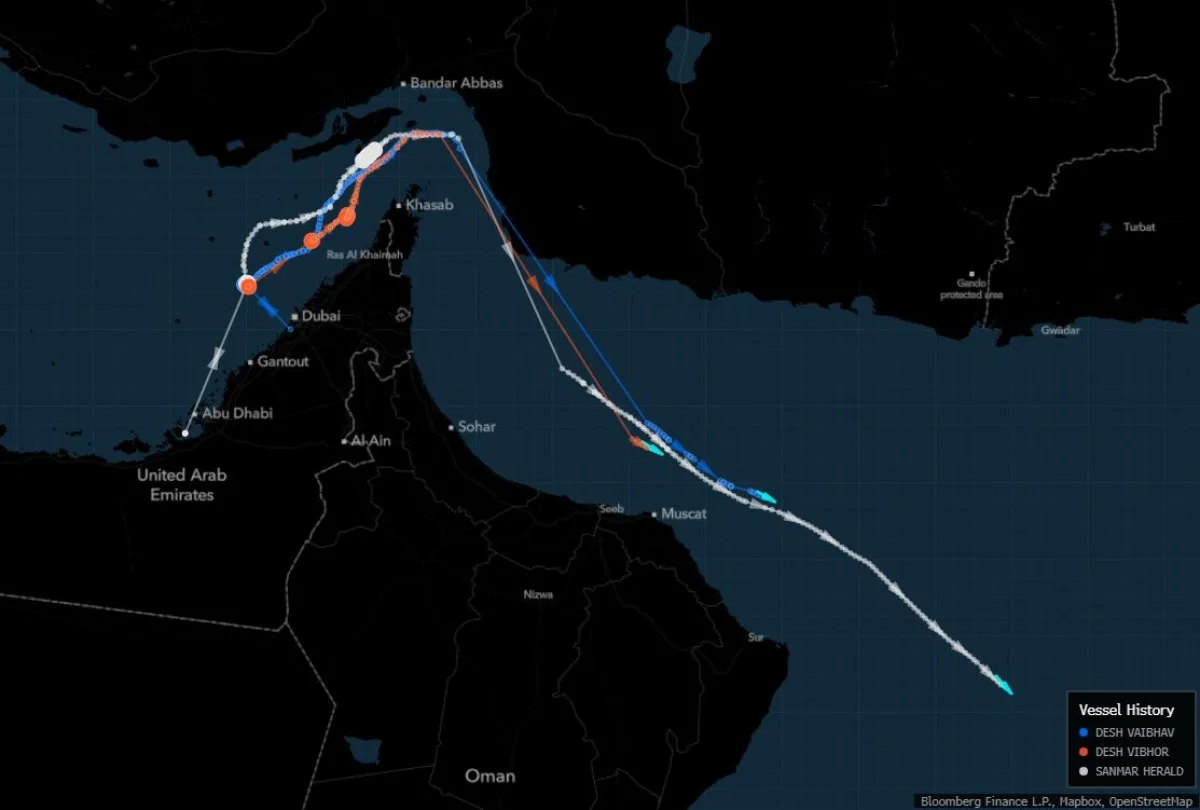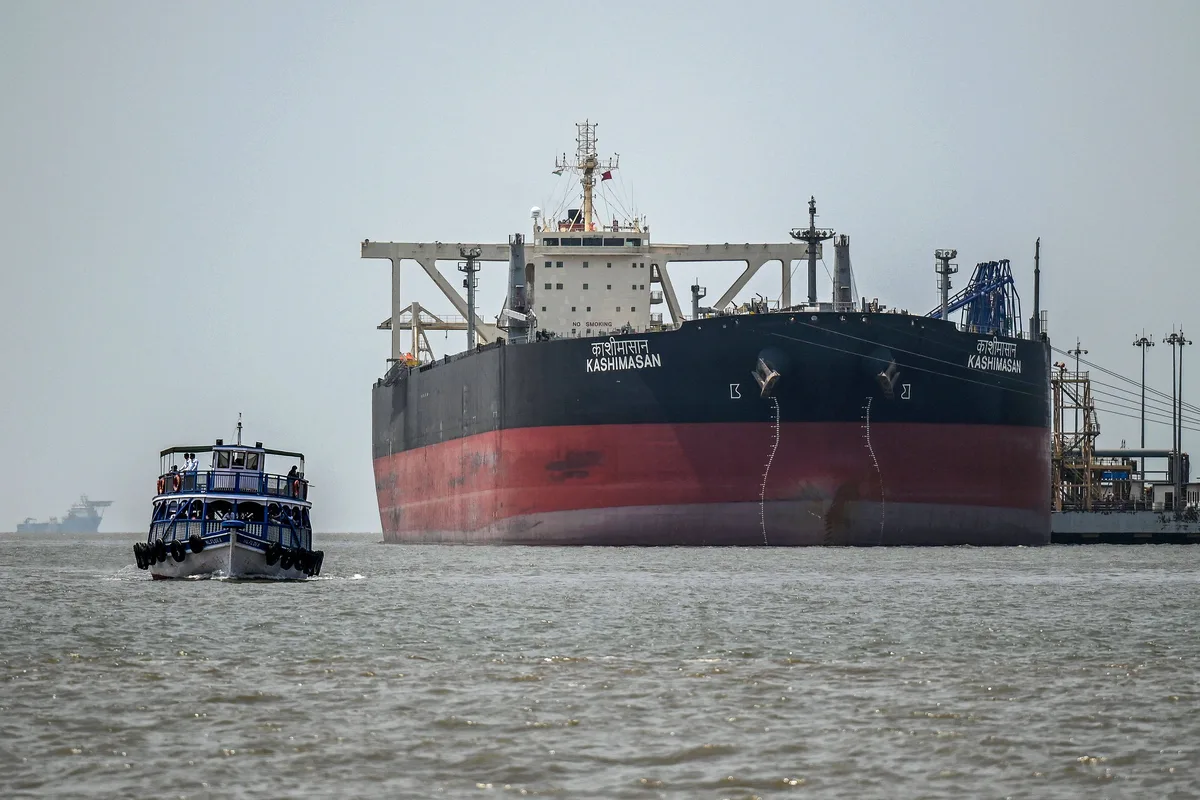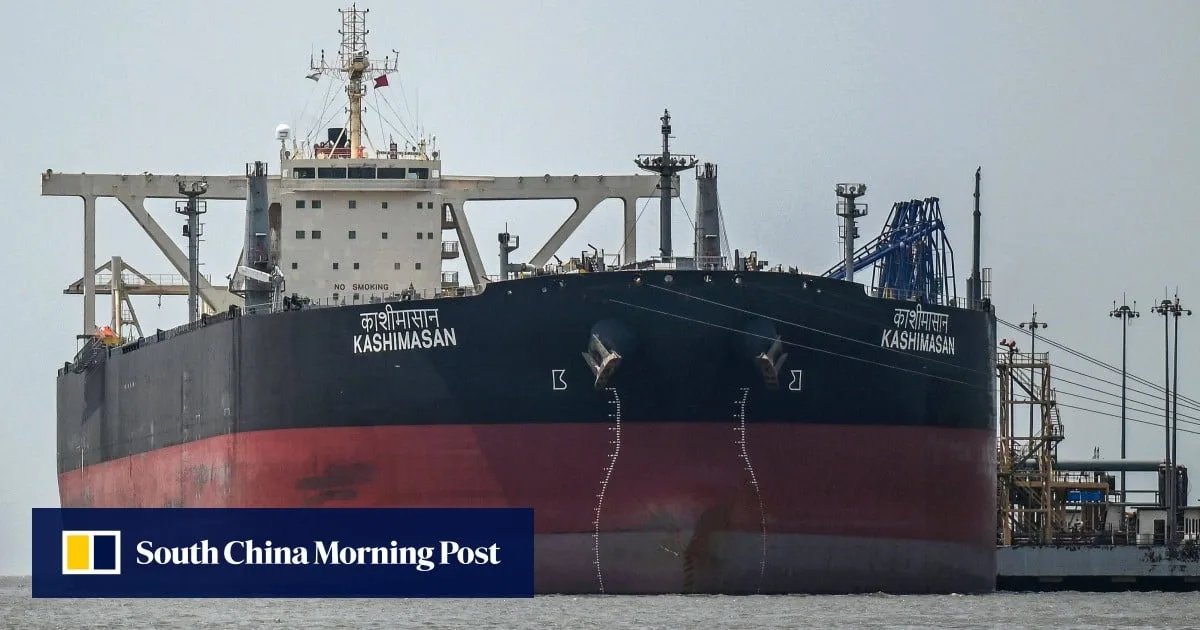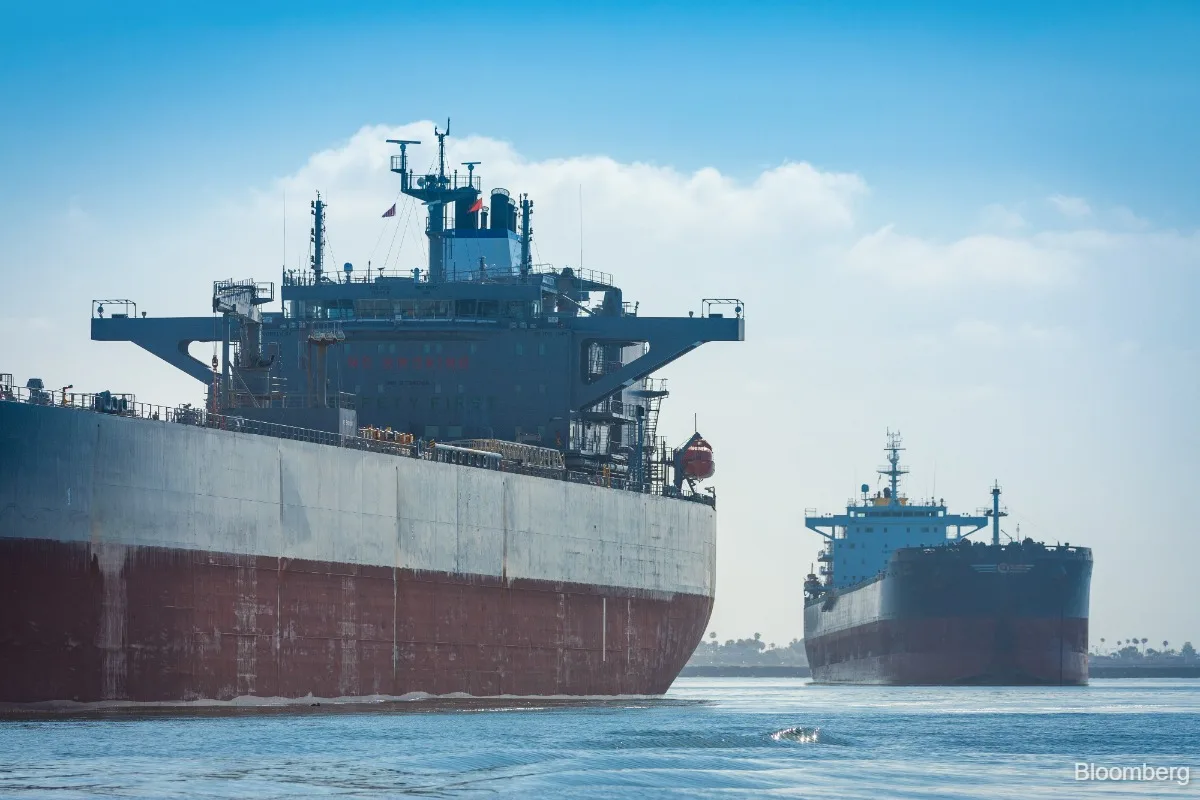
Three fully laden Indian supertankers—Desh Vibhor, Desh Vaibhav, and Sanmar Herald—were spotted in the Gulf of Oman on June 21 after last signaling attempts to cross the Strait of Hormuz on June 19, carrying nearly six million barrels of Iraqi and Kuwaiti oil [1, 2]. At least one tanker appeared to be heading toward Qeshm Island, possibly following a Tehran-approved route [1].
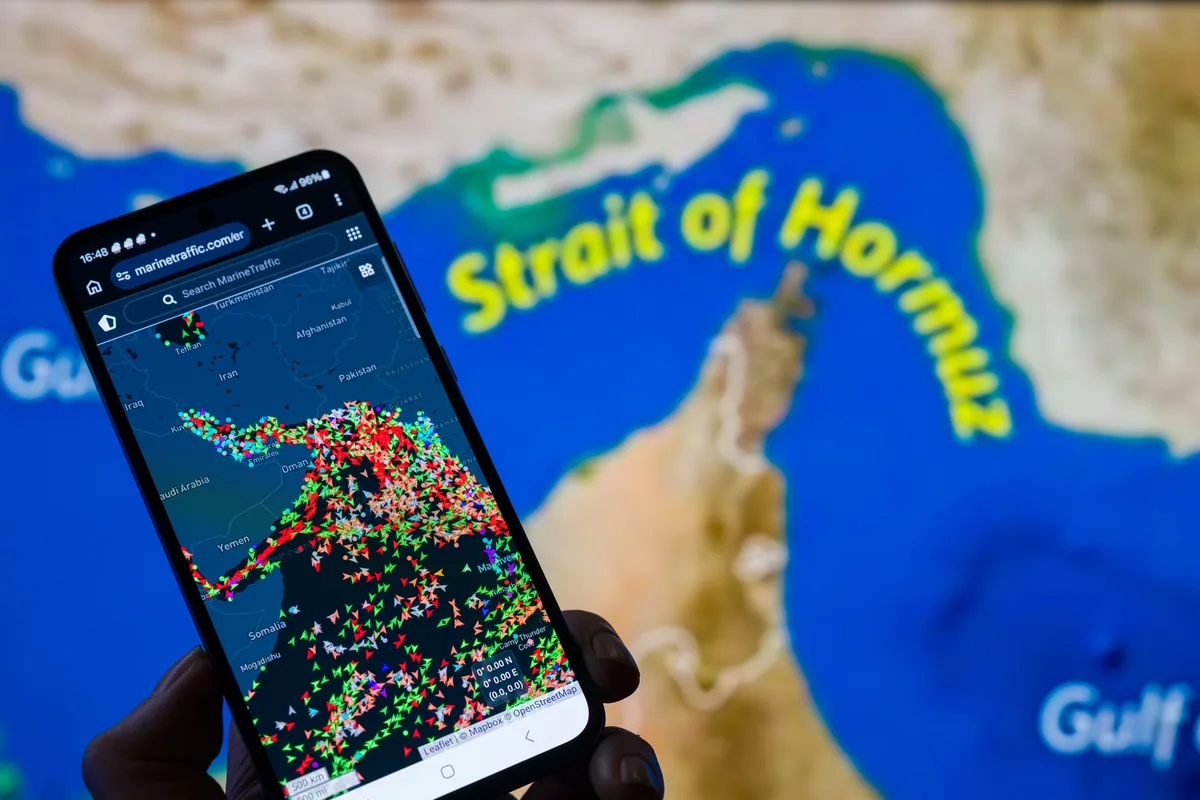
Iran declared the Strait of Hormuz closed on June 20, citing Israel’s ceasefire violations in southern Lebanon. The US Central Command rejected this claim, reporting increased shipping through the strait, with 55 vessels carrying nearly 17 million barrels of oil crossing it since then [1, 2]. Some tankers continue to transit from both Arabian Sea and Persian Gulf sides, with vessels signaling near the strait [1].
Meanwhile, a thick crude oil spill tied to attacks on vessels or oil facilities in and near the Strait of Hormuz has spread along a 20-kilometer stretch of Pakistan’s Gwadar coast as of June 22, severely affecting marine life and fishing communities [3]. By June 23, the spill reached Astola Island, Pakistan’s only marine protected area, threatening its rich biodiversity [4]. Abdul Rahim, a marine scientist, said, "We have collected water and sand samples to trace the possible source of oil spill and its impact on marine environment through carbon monitoring and remote sensing" and noted the spill "is expanding and getting more serious" with added ecological threats to the island [3, 4].
Authorities in Pakistan are investigating multiple potential sources of the spill. These include leakage from tankers targeted during US and Iranian strikes, oil discharged from Kharg Island—an Iranian oil export hub bombed recently—and possible informal oil trade activities. Muhammad Asghar from Balochistan’s Environment Department said, "We are not ruling out the possibility of any factor. It could be the US-Iran war or an informal oil trade with Iran" [3].
The timeline of events began with the three tankers last signaling strait crossings on June 19, followed by Iran’s closure declaration on June 20, and the tankers’ reappearance on the 21st [1, 2]. The spill was reported on Pakistan’s Gwadar coast on June 22 and had spread to Astola Island by June 23 [3, 4].
Officials continue to monitor tanker routes and environmental damage, with investigations into the spill’s exact origin ongoing.