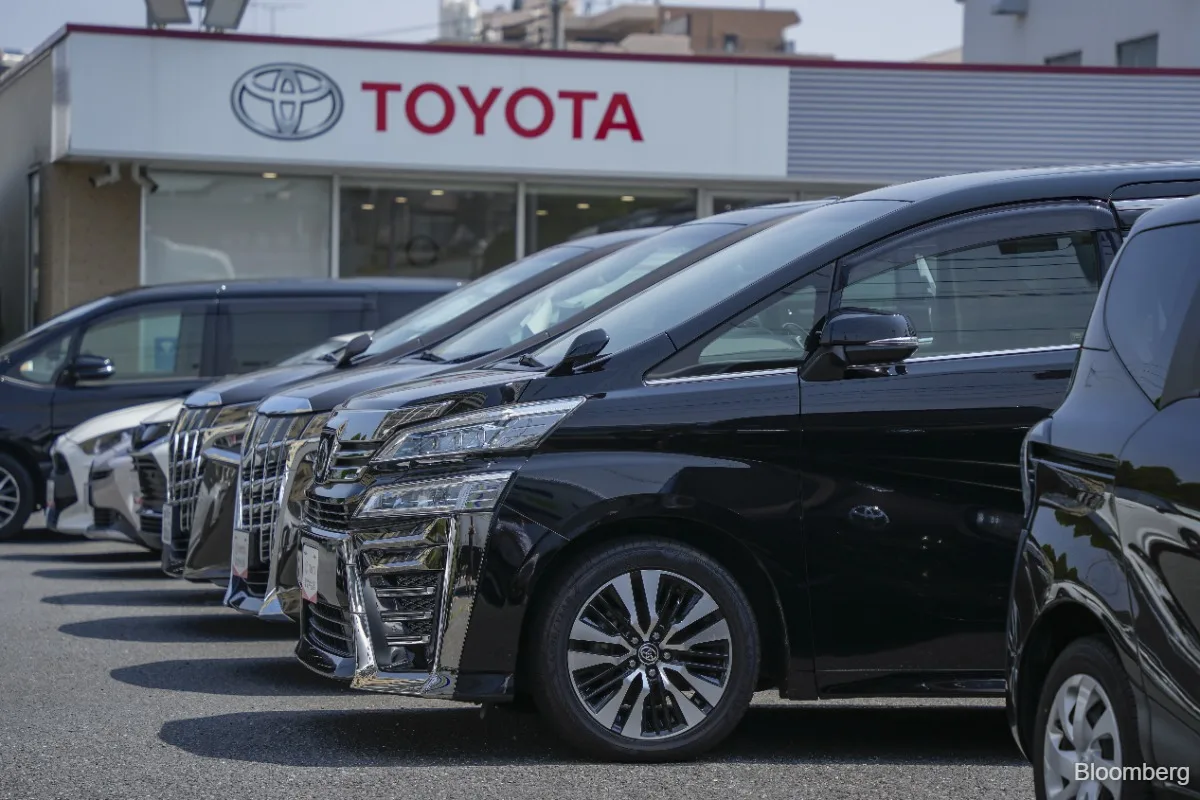
Toyota Motor's global vehicle sales, including Daihatsu, declined 3.7% year-on-year in April 2026 to 902,015 units, marking the third straight monthly drop, company data showed [1, 2, 3]. The decrease follows significant export disruptions linked to ongoing conflict in the Middle East.
Exports to the Middle East plunged 92% from a year earlier, falling to just 2,418 vehicles in April. Takanori Azuma, Toyota's accounting chief, told reporters the automaker exports roughly 500,000 to 600,000 vehicles annually to the region and expects that slightly less than half of that volume will be impacted by the conflict [1].
Despite the sales declines globally, Toyota’s production volume rose 3.4% year-on-year in April to 933,685 vehicles as factories maintained output amid supply chain pressures [1, 2, 3]. The company has managed to keep factory operations running better than many competitors, even with disrupted shipping routes through the Strait of Hormuz [1, 2, 3].
Sales in China also dropped sharply by about 25% compared to April 2025, compounding headwinds for the automaker in key markets [1, 3]. Meanwhile, strong demand persists for some models in other major markets, with wait times stretching several months [1, 3].
Toyota suppliers have warned of emerging shortages in parts and raw materials resulting from the Iran conflict, which could hit the company’s finances by around ¥670 billion (about $4.2 billion USD) [1]. The automaker forecasts a reduced operating profit of roughly ¥3 trillion (US$18.8 billion) for the fiscal year ending March 2027 due to higher input costs connected to regional tensions [1].
Nikkei reported on May 27 that Toyota plans to cut overseas production by about 83,000 units to adjust for logistical difficulties caused by the Middle East situation [1].
Toyota’s next earnings update is expected in the coming months as the company monitors the ongoing impact of geopolitical instability on its global sales and supply chains.