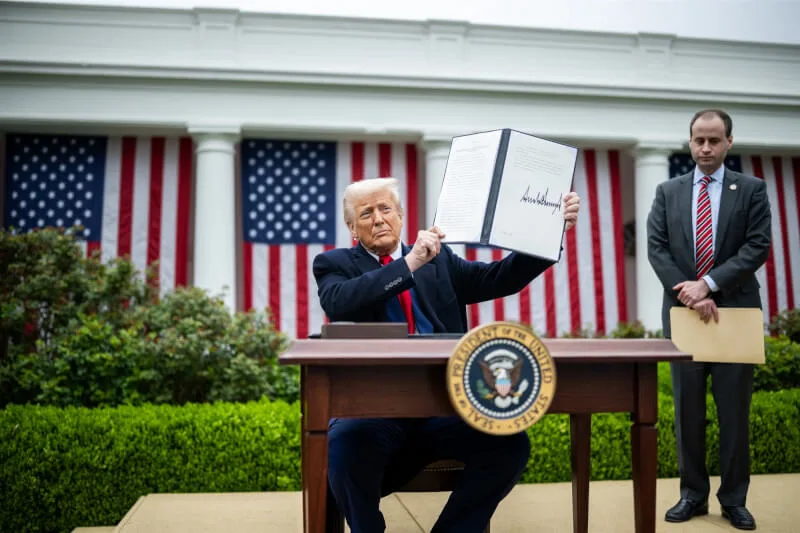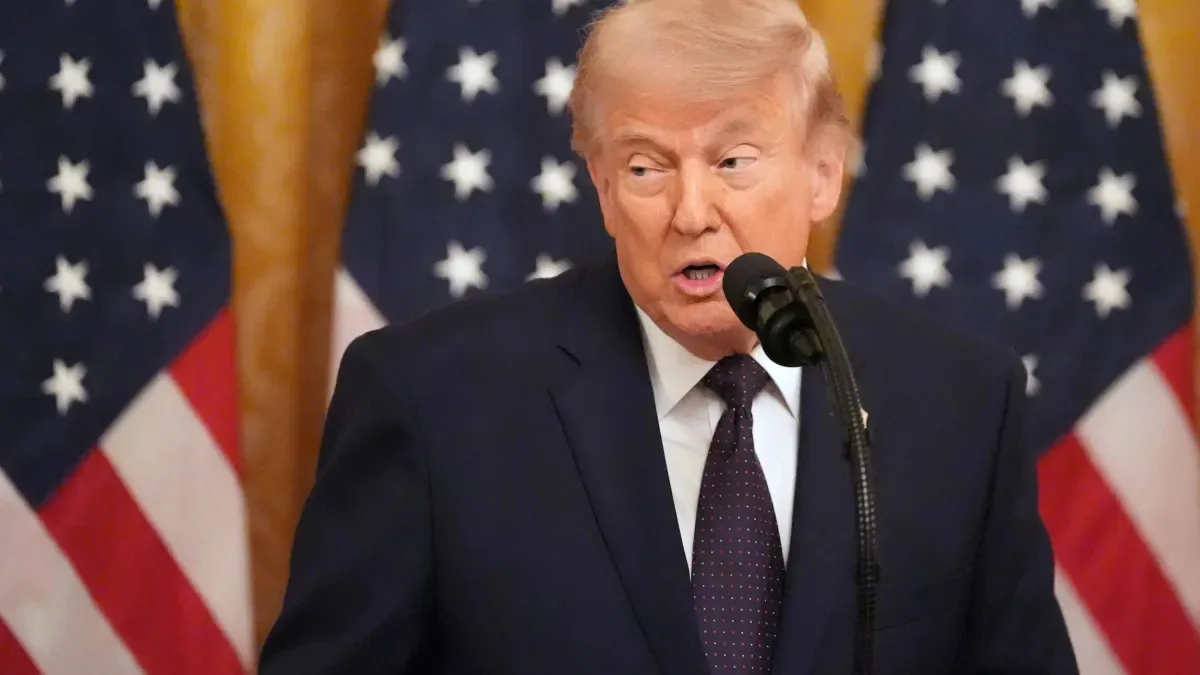
The Trump administration filed a formal appeal against a lower court ruling that ordered US Customs and Border Protection (CBP) to refund $166 billion in global tariffs collected under the Trump-era trade policies. The tariffs had been declared illegal by the US Supreme Court in February 2026 by a 6-3 vote, which ruled the tariffs imposed under the International Emergency Economic Powers Act (IEEPA) exceeded the administration's authority [1, 2, 3, 4].
Lower court judge Richard Eaton ordered CBP to recalculate tariffs and issue refunds to around 330,000 importers involved, covering more than 53 million shipments. Eaton said, "There is no dispute that the appropriate remedy for these unlawful tariffs is full repayment by the US government of all amounts collected" [1, 3, 5]. CBP has set up an online claims system and refunded about $85 billion so far, with more complex claims pending [1, 2, 3, 5].
However, the Trump administration contends the judge overstepped by ordering refunds to all importers, including those not party to the lawsuits. Justice Department lawyers stated Eaton "went beyond his authority by ordering refunds to all importers regardless of litigation involvement." The government is challenging both the refund orders and a ruling requiring CBP Commissioner Rodney Scott to personally testify on June 9 about the refund progress, arguing deputies should appear instead [1, 2, 3, 5, 6].
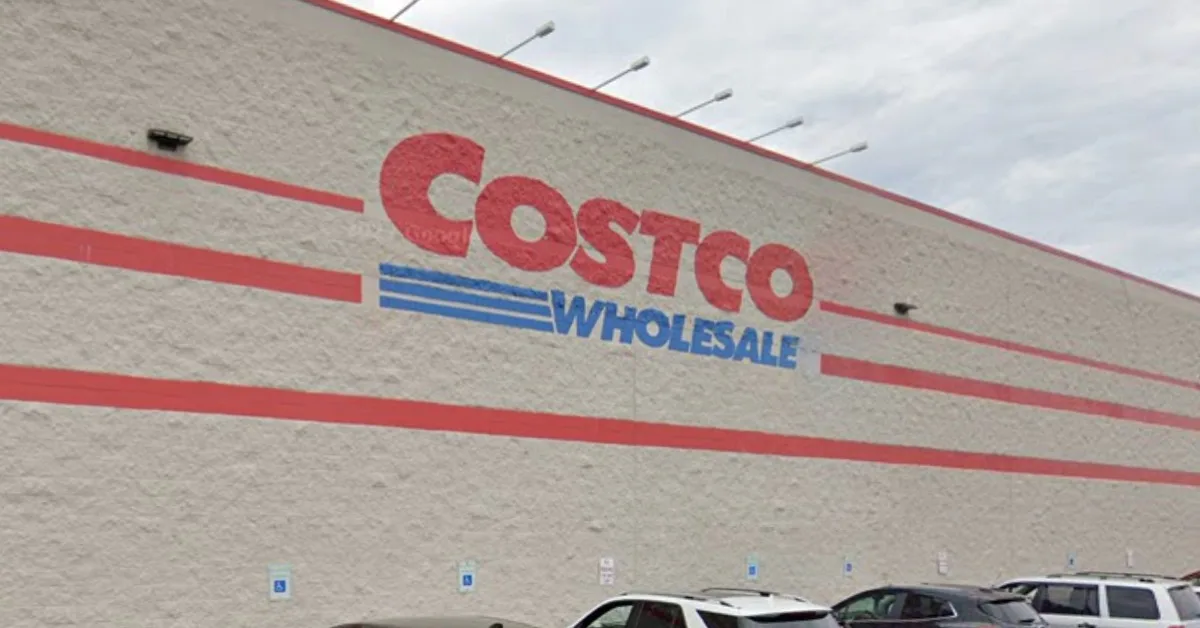
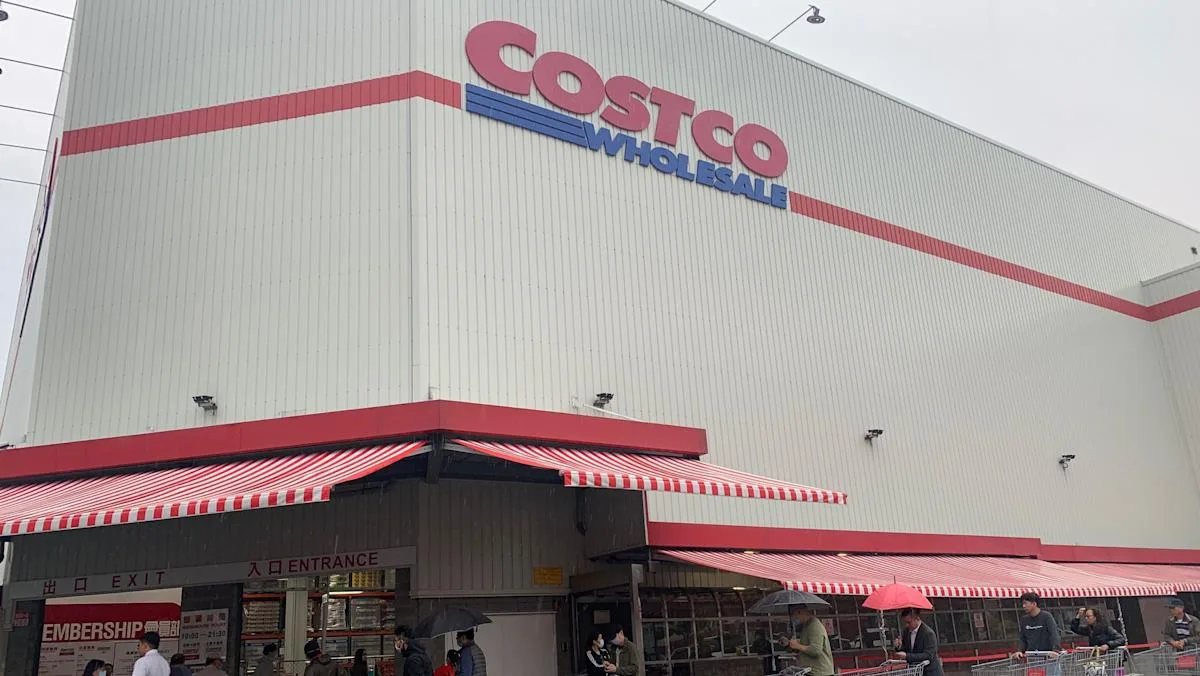
Major companies including Walmart, Costco, General Motors, and FedEx have filed refund claims. Walmart CFO John David Rainey said, "Even if refund amounts are less than 0.5% of our US sales, we plan to reduce prices on some products." Costco CEO Ron Vachris added that any savings passed to customers will depend on "government and litigation outcomes." Meanwhile, Costco faces a class-action lawsuit accusing it of "double dipping" by charging customers higher prices due to tariffs but seeking government refunds without passing savings along [3, 4, 7, 8, 9, 10]. Costco responded that "Consumers voluntarily paid posted prices and have no entitlement to retroactive refunds; no refunds have yet been received nor allocation decided" [11].
The Supreme Court did not decide whether full refunds are mandatory, sending that issue back to lower courts for further resolution [1, 2, 3].
The next court hearing is set for June 9, when CBP Commissioner Scott is scheduled to testify about refund progress, unless the appeals court rules otherwise [1, 3, 5].