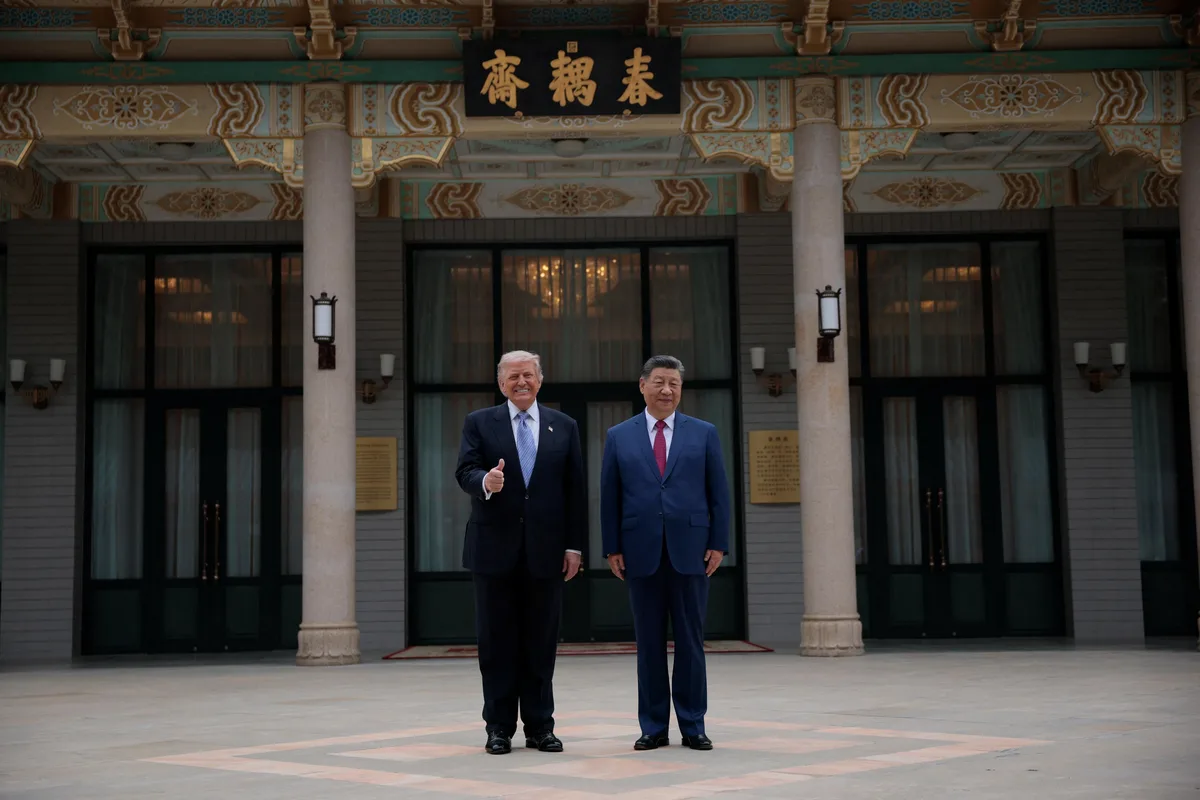
US President Donald Trump and Chinese President Xi Jinping held a meeting in Beijing on May 14, 2026, where they agreed the Strait of Hormuz must remain open to support the free flow of energy supplies amid ongoing Middle East tensions [1, 2, 3, 4, 5, 6].
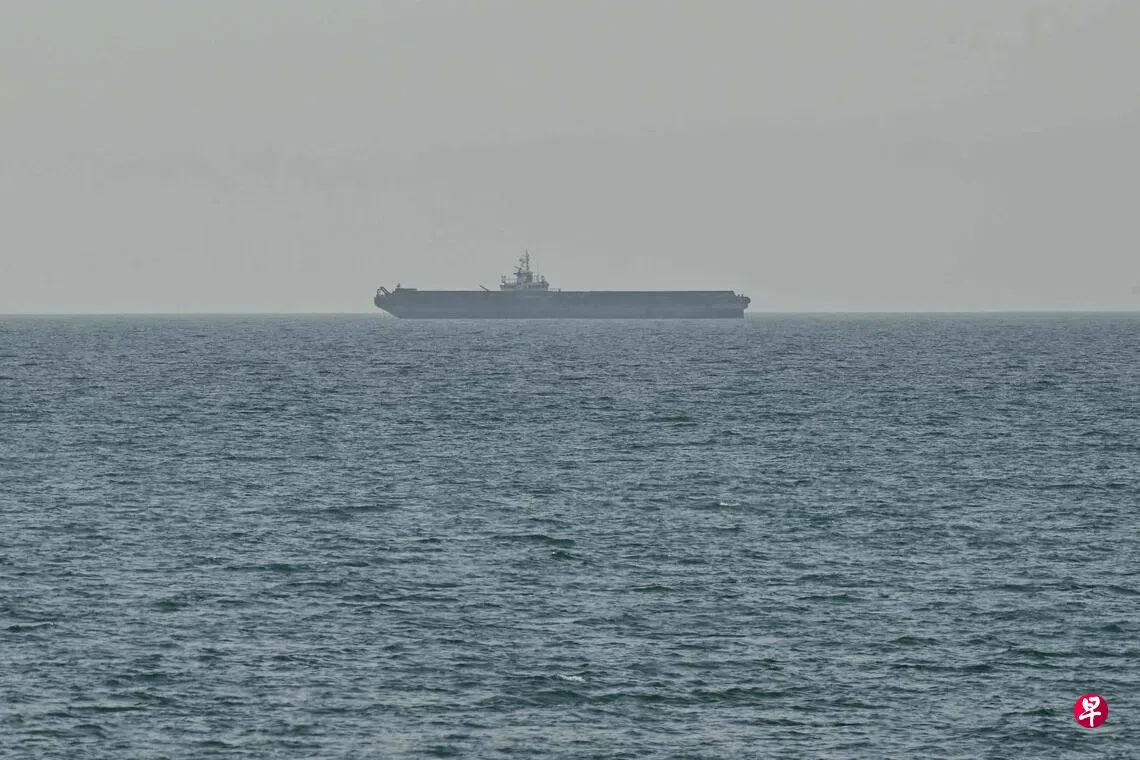
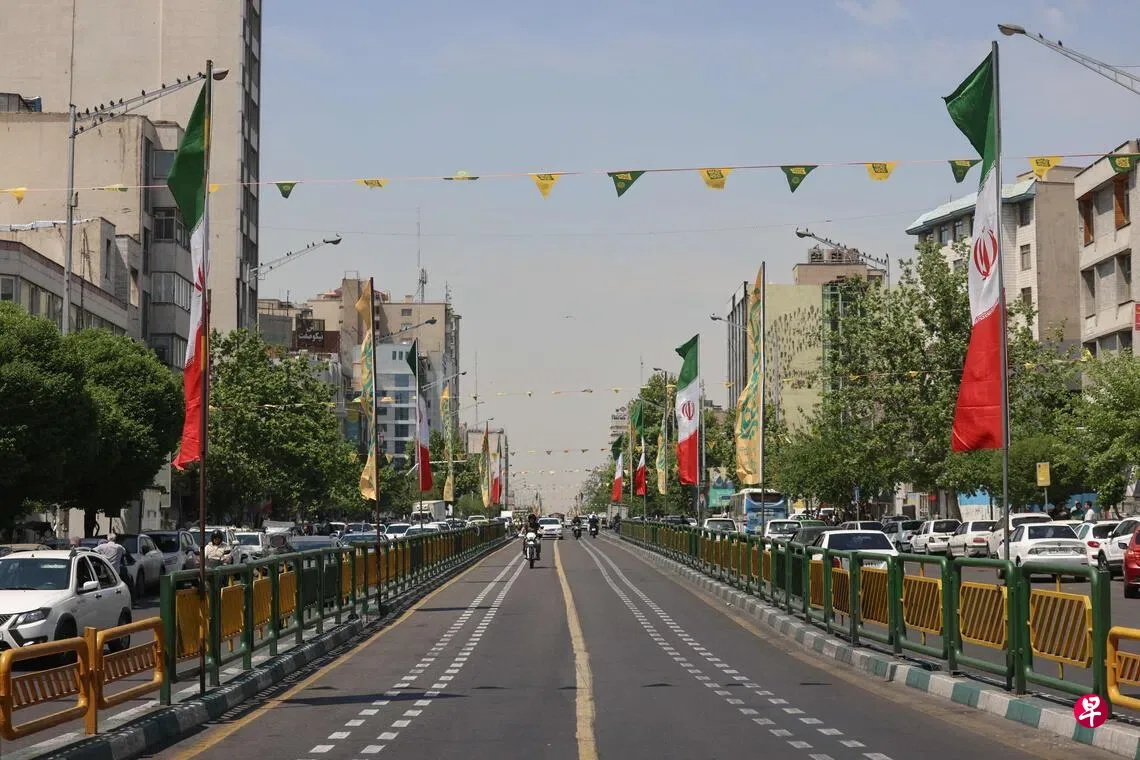
The Strait of Hormuz is a critical waterway through which about one fifth of the world’s oil and liquefied natural gas exports normally pass [3, 4, 5]. Since February 28, 2026, Iran has largely blocked or restricted shipping through the strait in response to US-Israel air strikes against Iran, escalating fears of wider disruption [3, 4, 5, 6].
China, the world’s largest importer of crude oil and natural gas, opposes efforts to charge a toll for navigating the strait and rejects any militarisation of the area [1, 2, 4, 5]. Xi Jinping expressed interest in purchasing more US oil to reduce China’s reliance on the strait in the future, according to the White House, although China’s official meeting summary did not mention this energy topic [1, 2, 3, 4, 5].
Trump stated in a Fox News interview that Xi had offered to help broker an end to the Iran conflict, saying, "President Xi would like to see a deal made. He did offer, he said 'if I can be of any help at all, I would like to be of help.'" However, China has not clearly confirmed Xi’s offer to mediate [7, 6, 8].
Iran has allowed some Chinese ships passage through the Strait of Hormuz under "Iranian management procedures" after consultation with China, showing Beijing’s significant diplomatic influence with Tehran [6, 9]. China is a major buyer of Iranian oil. Despite regional tensions, over 30 ships have reportedly passed the strait since May 13, 2026, according to the Iranian Revolutionary Guard Navy [6].
Recent attacks near the strait intensified concerns: an Indian cargo vessel carrying livestock was attacked near Oman on May 13, and another ship was reportedly seized near the UAE and directed toward Iranian waters on May 14 [4, 5, 6].
Trump and Xi also reached a "very good" trade agreement during the May 14-15 sessions and Trump invited Xi to visit the White House on September 24, 2026 to continue engagement [7, 10].
Both leaders emphasized preventing Iran from acquiring nuclear weapons, consistent with Xi’s stated position, while China called for a ceasefire and political resolution to the Iran conflict to ensure reopening of shipping lanes and global stability [4, 6, 8, 9]. The White House official said, "The two sides agreed that the Strait of Hormuz must remain open to support the free flow of energy."
Trump’s upcoming invitation for Xi to visit the US is set for September 24, 2026, aiming to maintain diplomatic dialogue on trade and regional security [7].