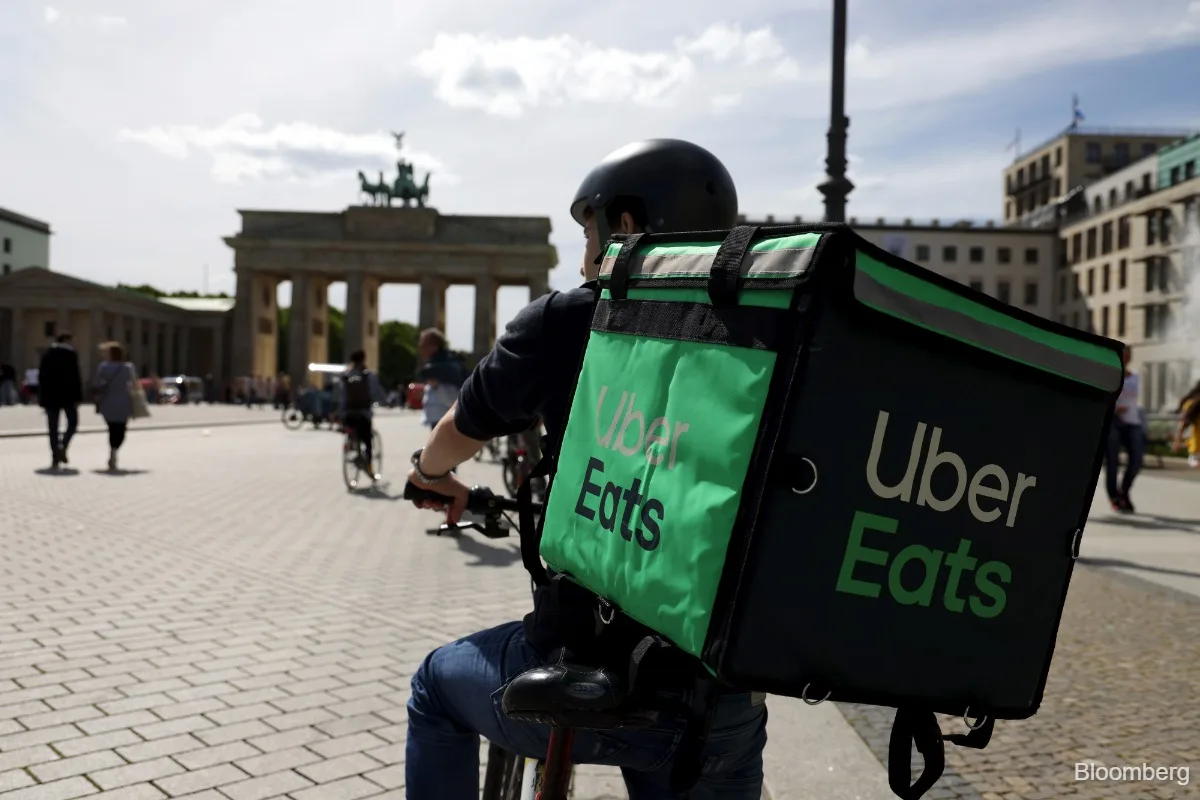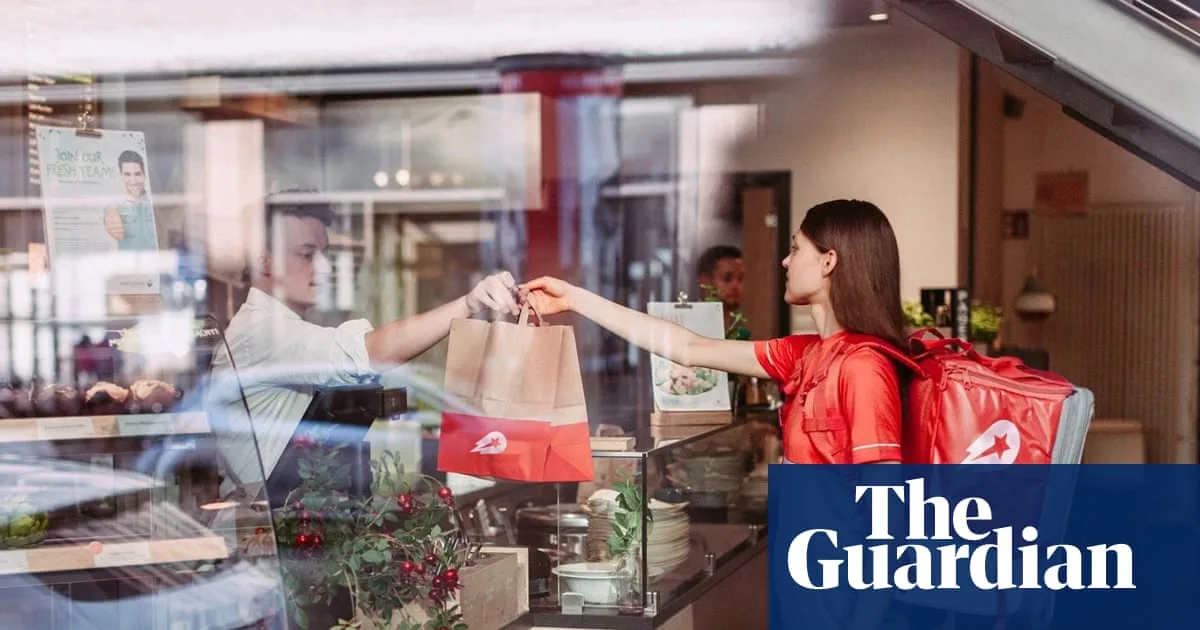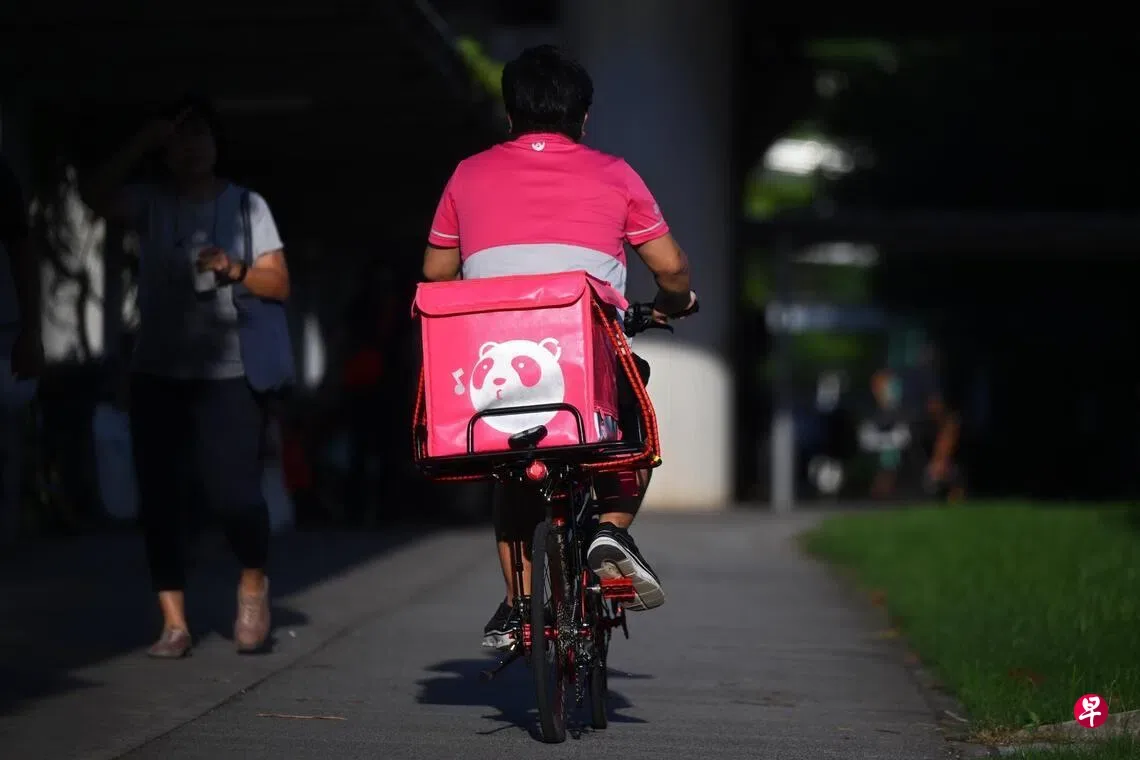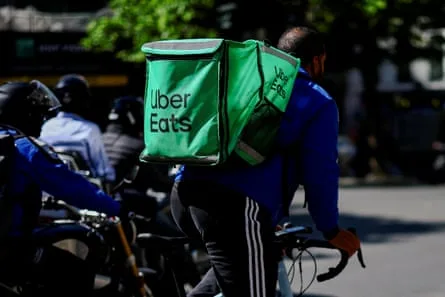
Uber Technologies Inc agreed to acquire Delivery Hero SE in a deal valuing the German delivery company at about $14.8 billion. Uber offered €41.50 per share, a significant premium over Delivery Hero’s prior trading prices [1, 2, 3, 4].
The acquisition covers Delivery Hero’s businesses in 50 markets globally, including brands such as foodpanda in Asia, Baemin in South Korea, Talabat in the Middle East, and PedidosYa in Latin America [2, 5, 6, 3, 7, 4]. Meanwhile, Delivery Hero’s operations in 14 markets — primarily in Europe and Turkey, where Uber already operates — will be sold to New York investment firm SSW Partners for about $1.6 billion to address overlap and reduce antitrust concerns [1, 2, 5, 8, 9, 3, 4].
Uber already owned about 24.77% of Delivery Hero shares and, through the tender offer and financial instruments, had effective control of over 53% before the takeover [5, 3, 4]. The acquisition will nearly double Uber’s presence in markets offering both ride-hailing and delivery services, expanding to 99 countries globally [2, 5, 6, 7, 4]. In 2025, combined gross bookings for Uber plus Delivery Hero reached approximately $236 billion [2, 5, 6, 7, 4].
Delivery Hero’s board and supervisory board unanimously support the takeover and plan to recommend it to shareholders. Kristin Skogen Lund, chair of Delivery Hero’s supervisory board, said, "The food delivery business is highly competitive and scale-dependent. Joining forces with a strong partner now is the right move to best secure its future competitiveness" [2]. CEO and co-founder Niklas Oestberg added the deal leverages Uber’s global platform alongside Delivery Hero’s local strengths in food delivery and quick commerce [3].
Uber CEO Dara Khosrowshahi said the deal "nearly doubles the number of markets where we offer both mobility and delivery services," and added that combined usage boosts customer spending: "Customers who use both services tend to spend three times as much on Uber as those who use one. That is our secret sauce" [6, 7].
As part of the agreement, Uber will keep Delivery Hero’s Berlin headquarters through at least 2029 and invest around €2 billion in Germany over the next five years [5, 4]. Uber will finance the acquisition through existing cash and new debt backed by a €14 billion committed bridge facility [4].
The deal is expected to close in the second half of 2027 after receiving regulatory approvals and shareholder approval by at least 50% plus one share [5, 3, 4].