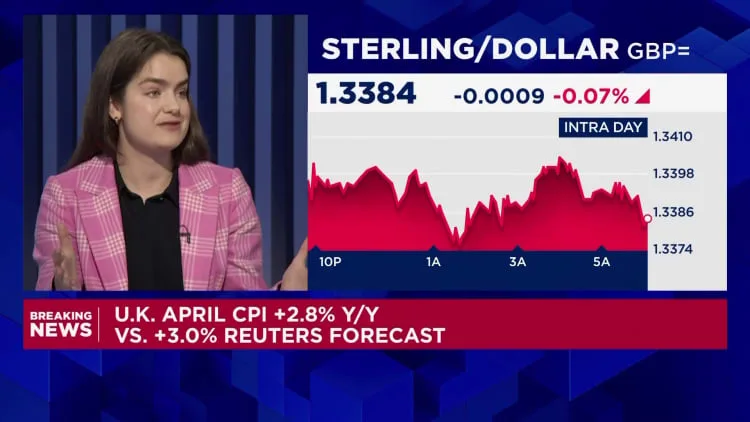
The UK Consumer Price Index (CPI) annual inflation rate fell to 2.8% in April 2026 from 3.3% in March, driven by lower electricity and gas prices following an energy price cap set by regulator Ofgem on April 1 [1, 2, 3]. Monthly UK CPI inflation rose 0.7% in April, reflecting some price rises amid easing annual inflation [1]. The UK unemployment rate rose slightly to 5% in March from 4.9% in February, indicating labor market softness [2]. Grant Fitzner, ONS Chief Economist, said, "There was a notable fall in annual inflation led by lower electricity and gas prices. This was due to the Government's energy bill support package..." [2]. Despite the price cap, the UK government faces pressure over limited measures to reduce energy costs, with Chancellor Rachel Reeves expected to propose reforms for parliamentary oversight of energy schemes [2].
In the Eurozone, inflation rose 1% month-on-month and reached 3% year-on-year in April 2026, suggesting persistent price pressures in the region [4].
Japan saw its core CPI (excluding fresh food) inflation ease to 1.4% in April 2026, the lowest since March 2022, down from 1.5% the previous month [5, 6, 7, 8, 9, 10, 11, 12]. Headline CPI also declined to 1.4%. Core-core inflation, which excludes both food and energy, dropped from 2.4% in March to 1.9% in April [5, 9, 10, 12]. Energy prices fell 3.9% year-on-year in April, less than March's 5.7% decline, helped by government subsidies despite rising crude oil prices caused by the Middle East conflict [5, 9, 12].
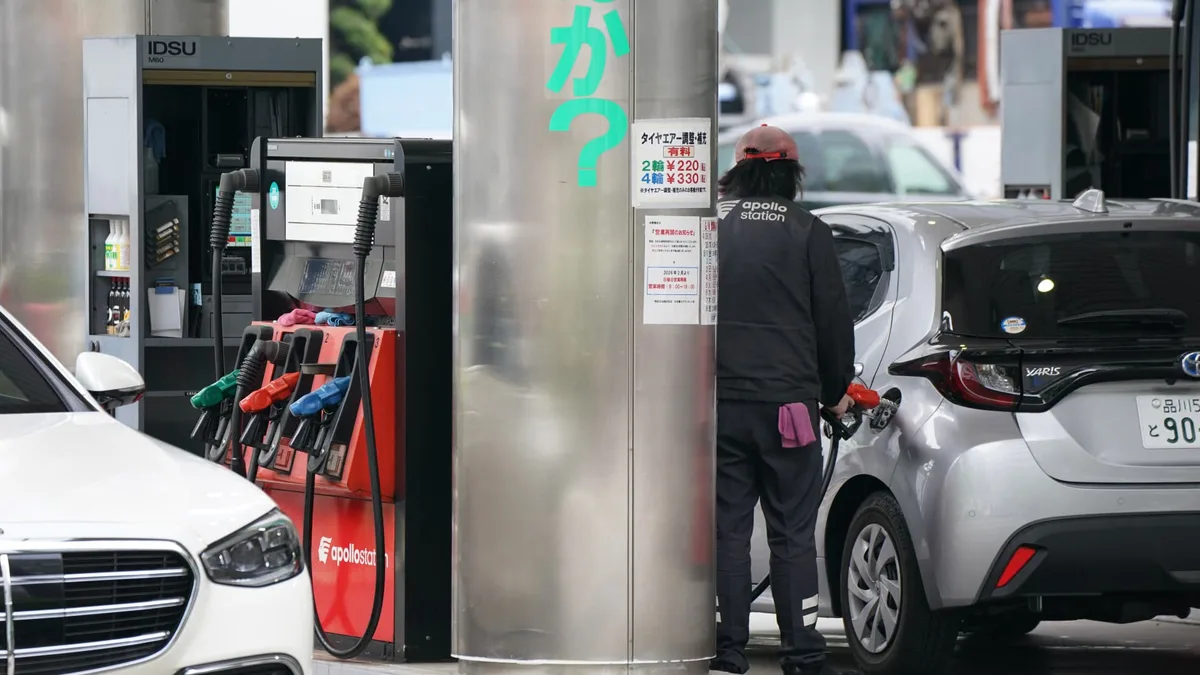
The Japanese government launched emergency energy subsidy programs to contain inflationary pressures, providing support on petrol and electricity bills amid global energy price risks [5, 8, 9, 11, 12]. Prime Minister Sanae Takaichi said she is "considering approving a supplementary budget of about 500 billion yen to subsidize household energy costs" and emphasized taking action before prices spiral out of control [8, 9]. Opposition parties have called for a larger budget around 3 trillion yen, reflecting a gap in proposals [8, 9, 11].
Japan's economy grew at an annualized 2.1% rate in the first quarter of 2026, partly supported by strong exports, influencing policy discussions [5, 9]. The Bank of Japan raised its core inflation forecast to 2.8% from 1.9% at its April meeting, citing crude oil price increases linked to the Middle East tensions [5, 9, 12]. However, BOJ and market observers remain cautious on raising interest rates soon due to low inflation, a weak yen, and uncertain wage dynamics. Some expect a possible rate hike to 1% in July 2026 [5, 10, 12].
Global energy supply disruptions from the Middle East continue to add upward pressure on inflation in many economies, despite mitigating measures like subsidies and price caps in Japan and the UK [2, 6, 9, 12].
UK inflation data was published on May 20, followed by the release of Japanese inflation figures and policy updates on May 22, with further developments expected this summer as governments react to ongoing global energy risks [1, 2, 5, 6, 7, 8, 9, 10, 11, 12].