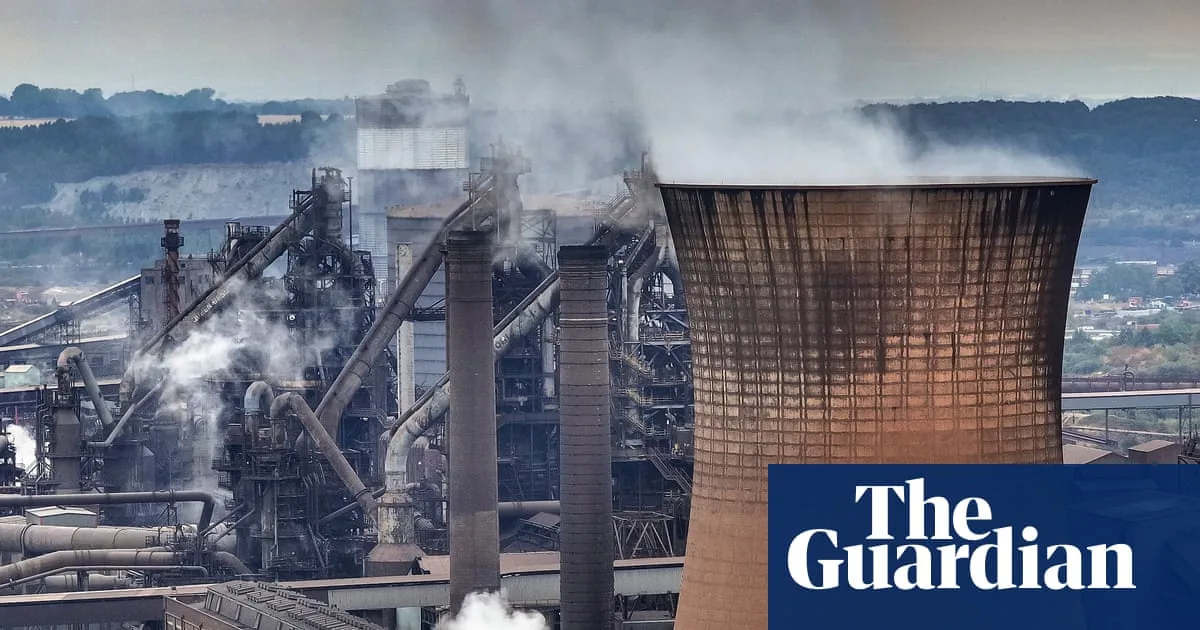
The UK government fully nationalised British Steel in July 2026, bringing the company into public ownership to protect steel production and approximately 2,700 to 4,000 jobs at the Scunthorpe plant [1, 2, 3]. The move followed financial losses and Jingye Group’s warning of blast furnace closures, which threatened the plant's viability [1, 4, 2].
Jingye Group, a Chinese steel conglomerate that acquired British Steel in 2020 for about £70 million, had injected significant capital but faced daily losses exceeding £1 million before the nationalisation [4, 2]. The UK government justified the nationalisation on grounds of national security and the need to sustain the UK’s primary steel production capacity from raw materials and to protect thousands of jobs [1, 2, 3]. Business Secretary Peter Kyle said, "British Steel now belongs to the British people and our focus is on ... stabilising the business, backing the communities that rely on it and building a sustainable, competitive and decarbonised steel sector" [3].
China’s Ministry of Commerce strongly opposed the UK’s decision, calling it a violation of international investment rules and harmful to Chinese investors’ confidence. A spokesperson said, "China firmly opposes and is strongly dissatisfied with the UK government’s decision" and warned the nationalisation "seriously undermines Jingye’s legitimate rights and interests" [1, 4, 5]. Jingye accused the UK of disregarding its ongoing investments and contributions and said compensation offered was "almost zero" [2].
On July 19, Jingye publicly demanded full compensation and threatened legal and arbitration actions under bilateral investment treaties. The group said it would "pursue full compensation through legal means to the very end" [6, 2, 5]. The UK government has not granted compensation but said an independent evaluation would establish appropriate levels [1].
UK spending to support British Steel reached £377 million by January 2026 and could exceed £600 million by mid-2026, with total costs forecasted to surpass £1.5 billion by 2028 [2, 3]. The government appointed a new leadership team to stabilise and transition British Steel toward commercial sustainability and low-carbon operations [1].
The nationalisation follows the UK taking operational control of British Steel in April 2025 after Jingye announced plans to close blast furnaces citing financial non-viability [1, 2, 3, 5]. Chinese officials issued statements of strong dissatisfaction from July 17 to 19, coinciding with Jingye’s public compensation demands [1, 4, 6].
The dispute now shifts to legal and arbitration processes where Jingye seeks damages. The UK government awaits an independent valuation to determine compensation, with no funds paid to Jingye yet [1, 6].