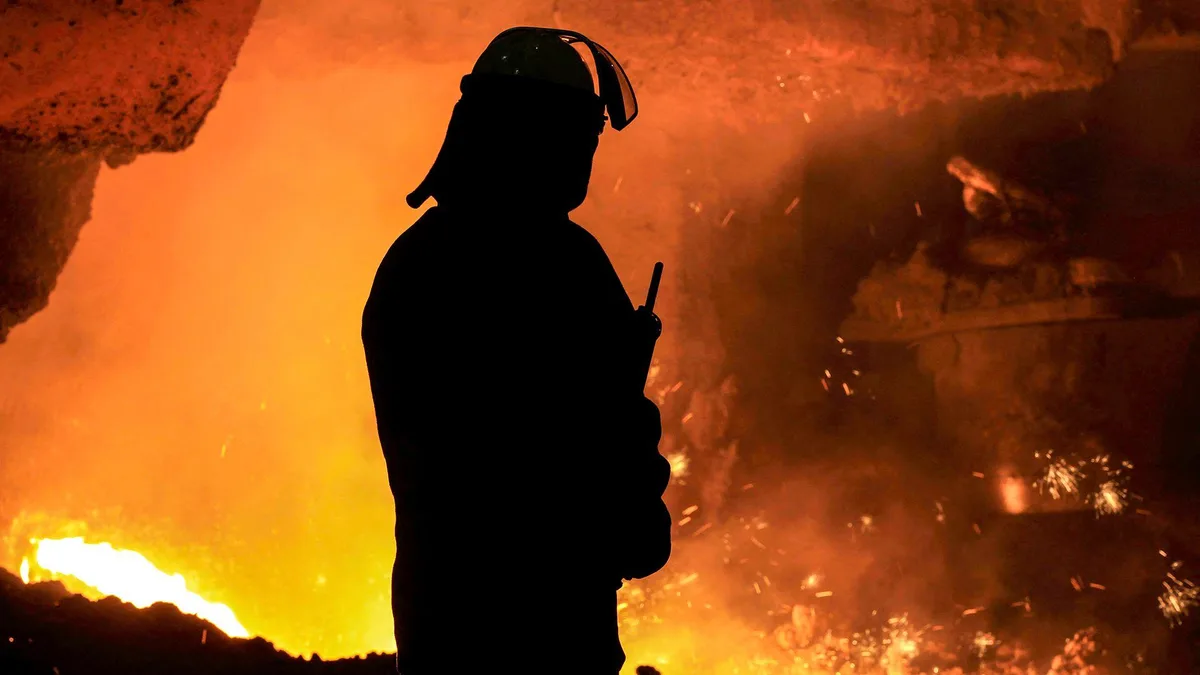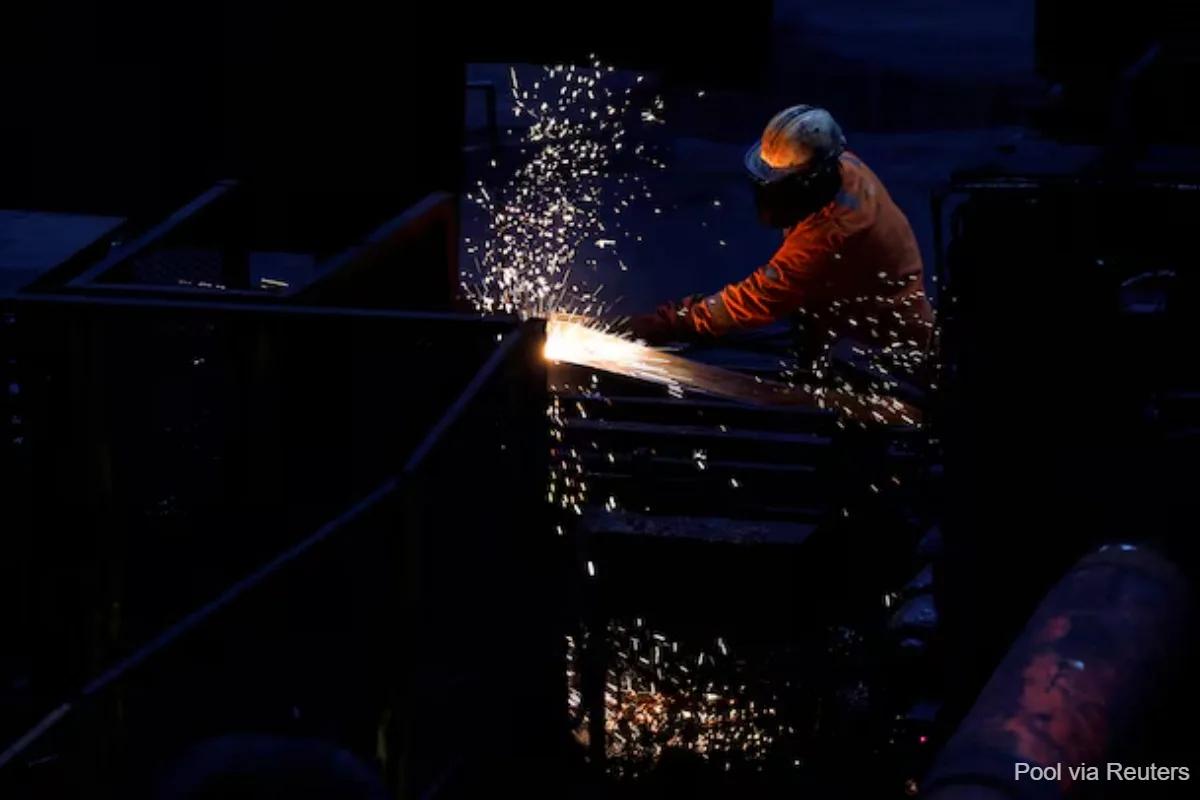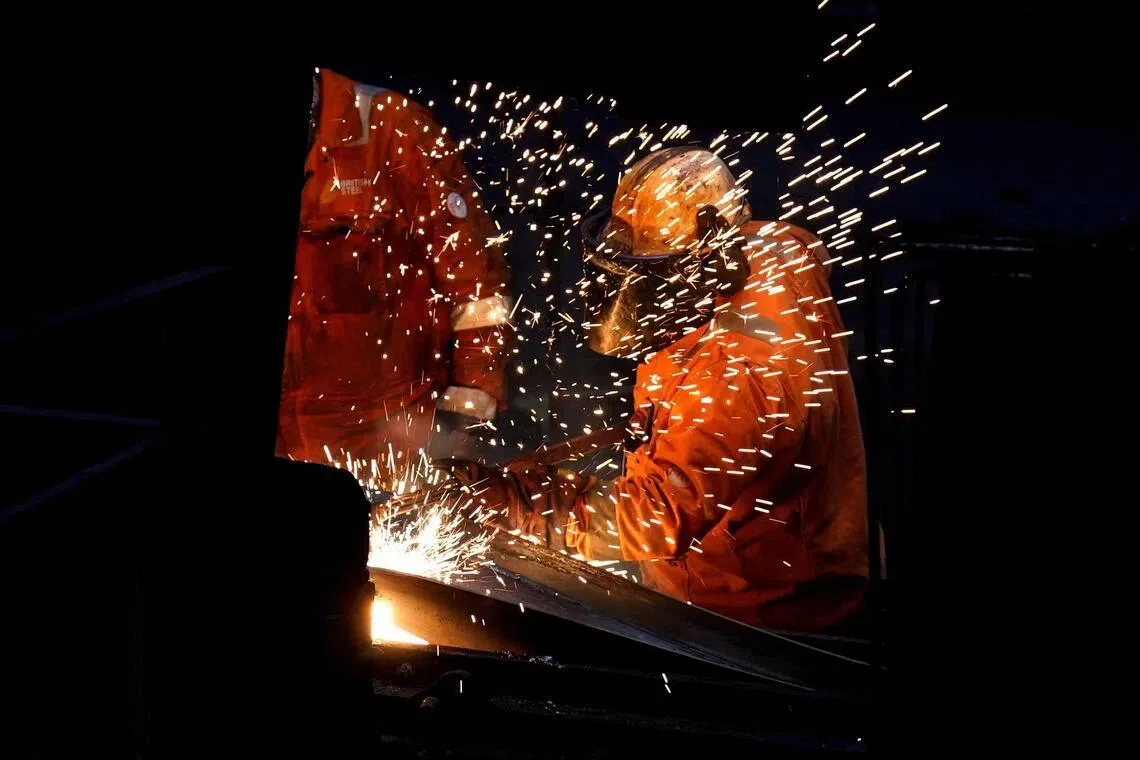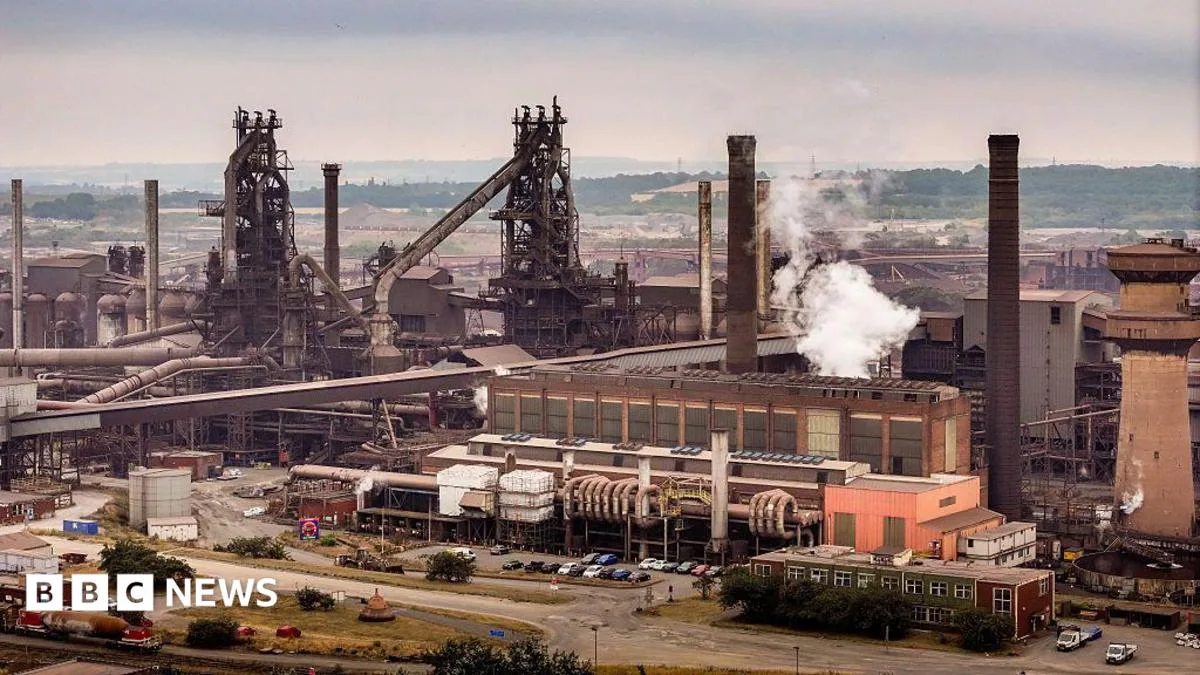
The UK government nationalised British Steel on July 16, 2026, taking complete ownership of the struggling steelmaker formerly owned by China's Jingye Group [1, 2, 3, 4]. Jingye Group had purchased British Steel in 2020 for £70 million ($94 million) [4]. Prior to nationalisation, the UK government controlled operations since March 2026 but Jingye retained ownership [1, 4].
British Steel was losing about £700,000 ($942,000) per day under Jingye, with daily government operating losses reaching £1.3 million by March 2026 [1, 4]. The government cited the need to protect approximately 2,700 jobs at the Scunthorpe steelworks and across the supply chain as key reasons for the nationalisation [4].
In March 2026, Jingye announced that British Steel’s blast furnaces were financially unsustainable and reduced critical material orders in April, raising concerns about possible shutdowns [4]. The UK Parliament had passed legislation allowing nationalisation of steel assets when public interest is at risk [1].
China’s Ministry of Commerce condemned the UK’s actions as a “forcible takeover” that ignored Jingye's contributions to the UK economy and seriously infringed on its rights [1]. The ministry said the nationalisation “severely undermined Chinese companies’ confidence in investing in the UK” and urged the British government to honor bilateral investment treaty obligations [1, 2, 3, 4]. China vowed to closely monitor developments and support Chinese firms in protecting their rights without specifying measures [1, 2, 3, 4].
The UK government announced it will appoint an independent valuer to determine whether compensation is due to Jingye for taking ownership of British Steel [4].