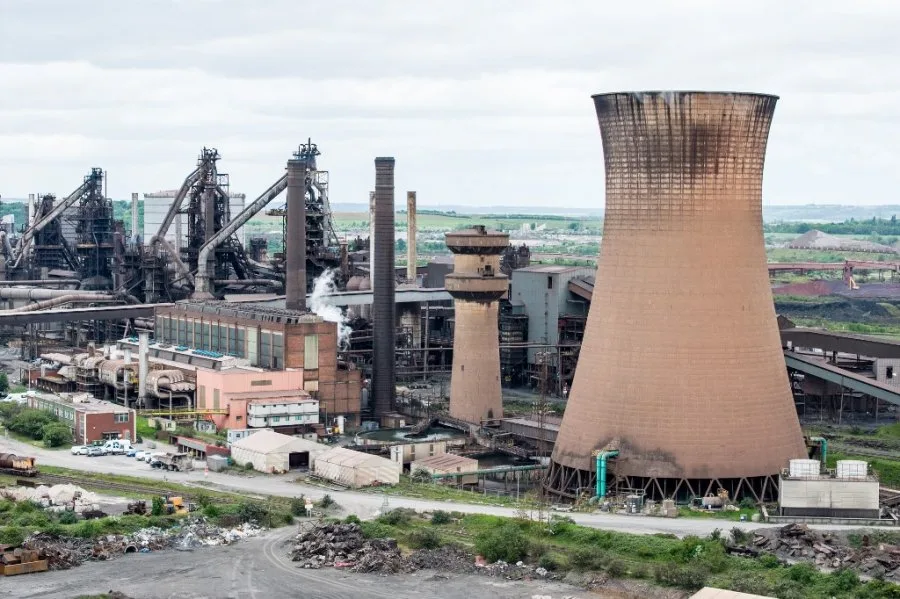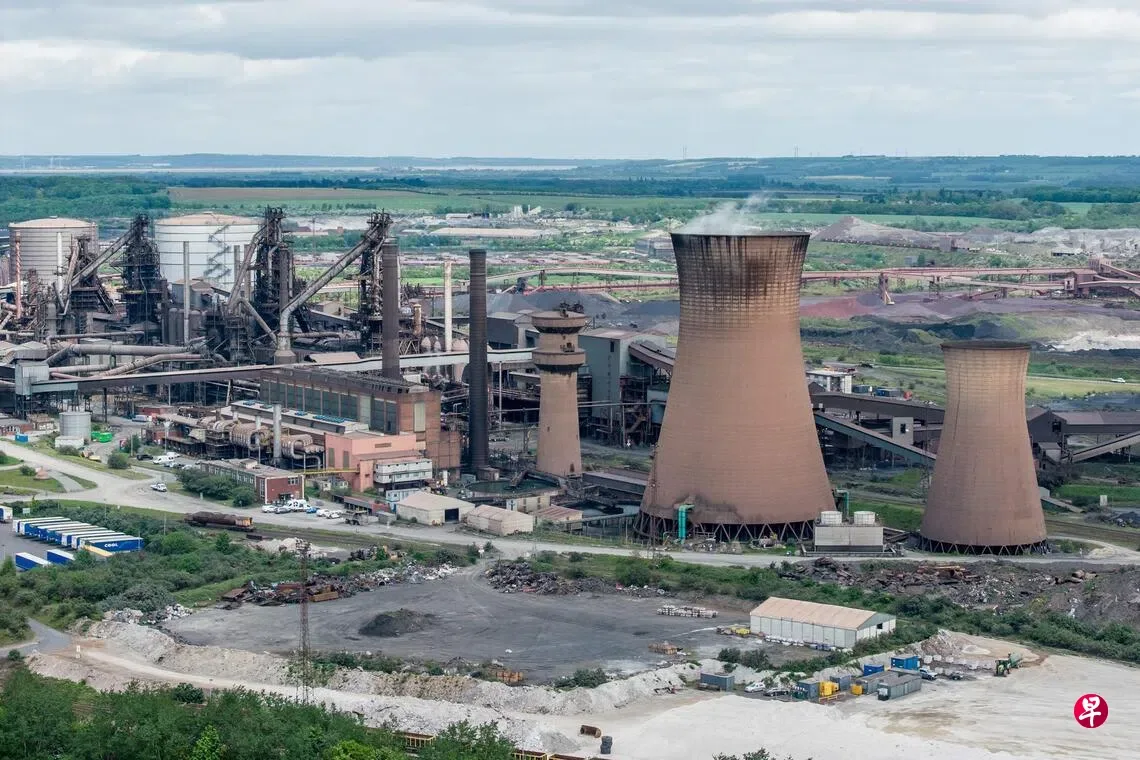
UK Prime Minister Keir Starmer announced on May 11 plans to introduce legislation to nationalize British Steel, which is currently controlled by the Chinese private company Jingye Group [1, 2, 3].
The British government has operated British Steel since April 2025. At that time, Parliament passed an emergency bill to prevent the closure of the UK's last primary steelworks after the firm faced financial collapse [1, 2, 3]. It has been over a year since the government took control [1, 2, 3, 4].
Jingye Group acquired British Steel in 2020 and invested heavily in technology upgrades to modernize the plant [1, 2, 3, 4]. The planned nationalization has become a focal point in UK-China economic relations, raising concerns about possible legal disputes over investment protections and compensation [4].
On May 14, China's Ministry of Commerce issued an official response urging the UK to carefully consider the significant investments and contributions of Chinese companies to the UK economy. A spokesperson said the UK "should respect market principles, fairness, non-discrimination, and protect the legal rights of Chinese enterprises." They also called on the UK to avoid misuse of administrative force and to seek fair, mutually acceptable solutions with Chinese firms [1, 2, 3, 4].
The nationalization plan highlights growing tensions over foreign investment in key UK industries. The government now looks set to advance legislation formalizing national ownership of British Steel in the coming weeks [1, 2, 3].