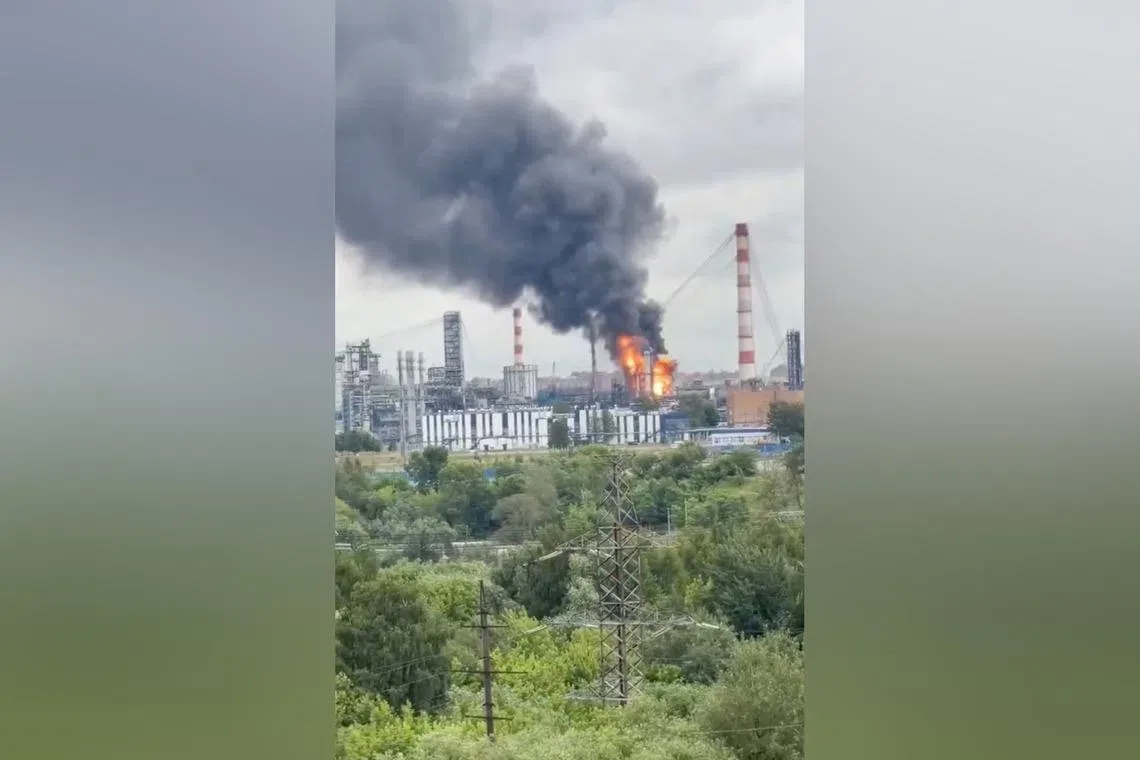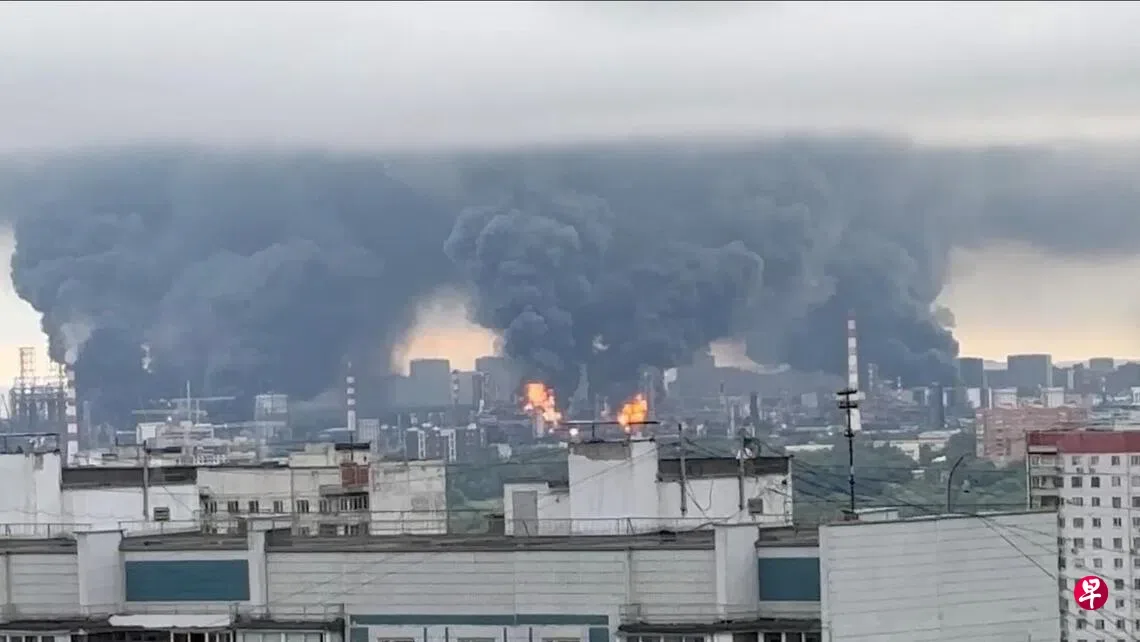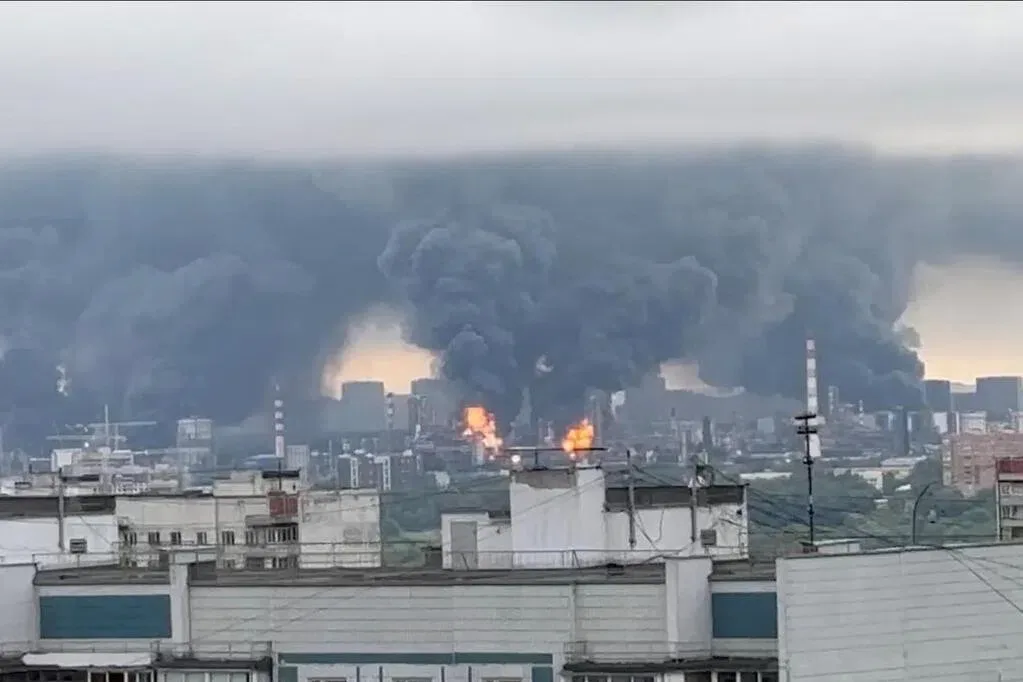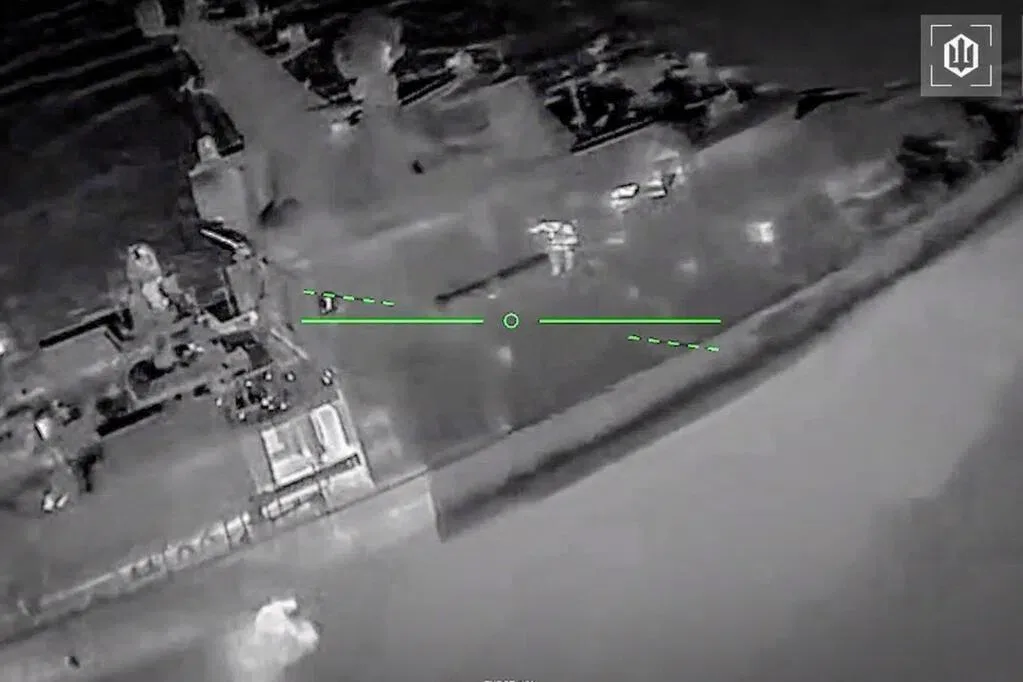
Ukraine launched a near-record drone attack on Moscow on June 18, 2026, sending about 180 to 200 drones against the city and surrounding areas, including its largest refinery operated by Gazpromneft, according to Moscow's mayor and Ukrainian officials [1, 2, 3, 4, 5]. Moscow Mayor Sergei Sobyanin said, "Air defence forces continue to repel a massive attack. Several drones managed to reach the Moscow oil refinery" [6]. The strikes damaged refinery sections, causing fires and forcing suspension of refinery operations as well as disrupting flights at Sheremetyevo International Airport [7, 8, 2, 3, 4, 6, 5, 9]. Russian air defenses intercepted hundreds of Ukrainian drones nationwide over 24 hours, with figures ranging from about 180 over Moscow to nearly 1,000 across the country within a day [1, 4, 6, 5]. There is some variation in reported numbers; some sources stated 555 drones intercepted overnight, others cited nearly 1,000 [4, 6, 5].
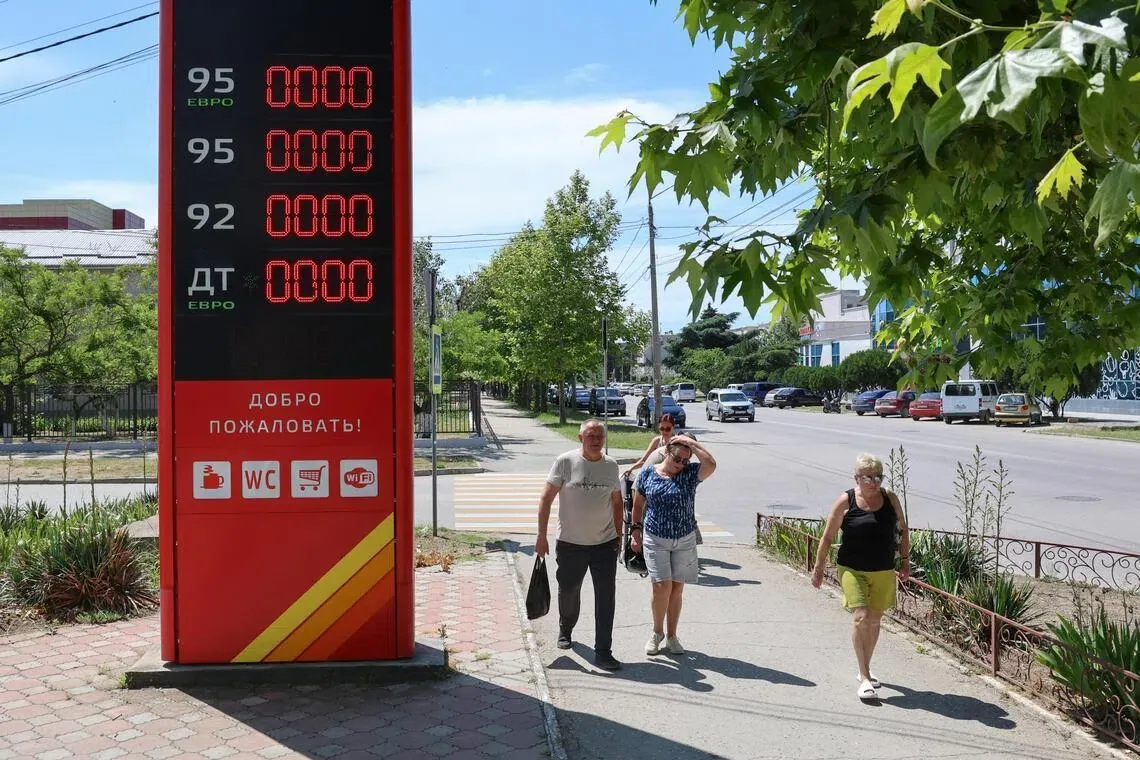
The drone and missile attacks have contributed to fuel shortages across more than 10 Russian regions, including Crimea and Siberia, prompting official fuel rationing and bans on petrol exports through July 2026 [7, 10, 11]. Moscow itself has so far avoided complete fuel disruptions, although neighboring regions report intermittent shortages [2, 3]. Russia’s refinery capacity has fallen by about one-third since April 2026 due to repeated attacks, forcing emergency measures such as expected petrol imports by sea starting June 2026 to mitigate supply gaps [7, 10, 11].
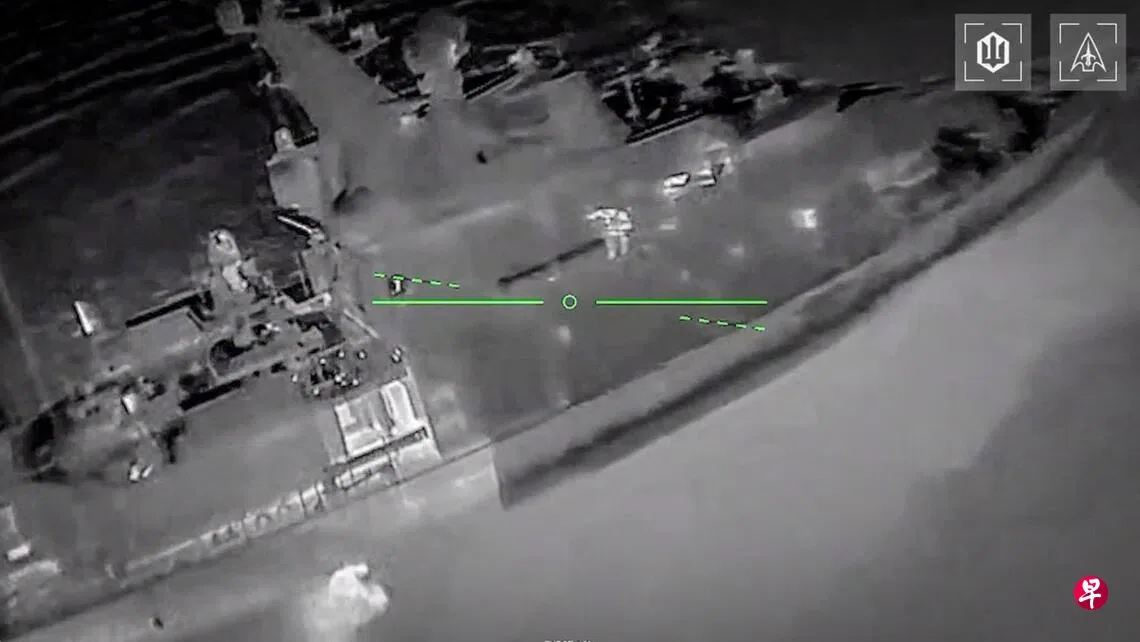
On June 18, a Panama-flagged cargo ship in the Black Sea was struck by a drone attack, killing one crew member and injuring two others [12]. Three days later, on June 21, Ukraine launched its largest known drone attack on Russian-occupied Crimea, resulting in at least four deaths and 28 injuries [10]. Fuel stations in Crimea suspended retail sales, supplying fuel only to state enterprises [10].
Ukrainian President Volodymyr Zelenskyy framed the assaults as "long-range sanctions" targeting Russian military logistics and energy infrastructure. He said, "last night, our long-range sanctions struck the occupiers' military logistics, oil industry, and air defense systems" and warned, "we do not want this war, but if Ukraine burns, your Moscow will too" [10, 6, 5, 9]. Zelenskyy also called for Russia to take "necessary diplomatic steps to end the war" [5].
Russia is responding by increasing fuel imports by sea in June amid declining domestic output and export bans imposed to conserve limited petrol supplies [7]. The attacks mark a significant escalation in Ukraine’s strikes targeting critical Russian infrastructure amid ongoing conflict.