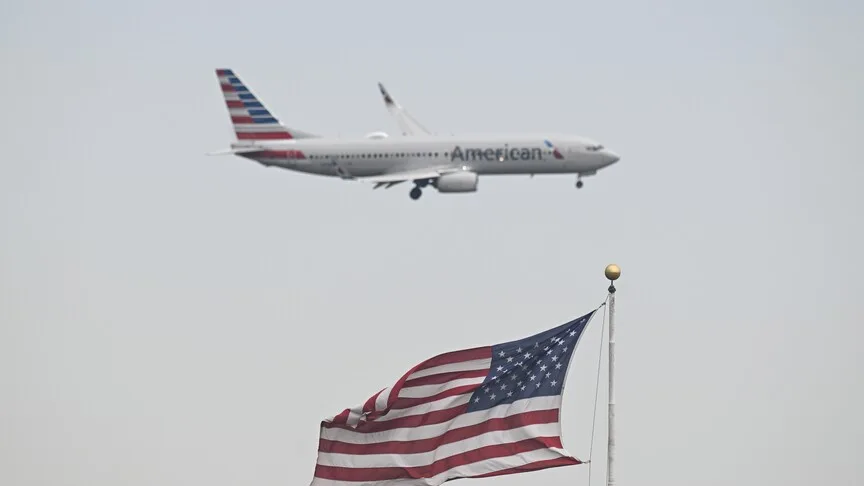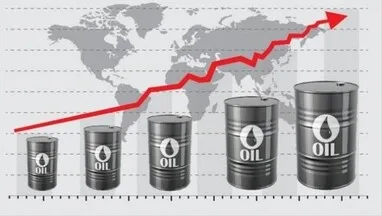
US airlines’ total fuel spending reached approximately $6.66 billion in May 2026, marking an 84% increase compared to May 2025 [1, 2, 3, 4]. This followed a similar trend in April, when fuel spending topped $6 billion at about $6.47 billion, the first time it stayed above that level for consecutive months [1, 2, 3, 4].
The sharp rise in fuel costs is primarily driven by soaring jet fuel prices rather than increased consumption. Jet fuel prices averaged $4.09 per gallon in May 2026, nearly doubling from $2.21 per gallon in May 2025, though slightly down from $4.11 in April 2026 [1, 2, 3, 4]. Meanwhile, jet fuel consumption fell slightly by 0.6% year-on-year to about 1.63 billion gallons [1, 2, 3, 4].
The surge in prices is closely linked to geopolitical tensions in the Middle East, especially disruptions around the Strait of Hormuz. On July 7, 2026, three oil tankers were hit near the Strait amid the ongoing conflict, heightening supply concerns [1, 4]. In a related development the same day, the US revoked permits allowing Iran to sell oil under a temporary ceasefire agreement, dimming prospects for more stable fuel supplies through the crucial waterway [1, 4].
Faced with rising fuel costs, airlines worldwide have increased ticket prices and fees while reducing flight offerings to manage expenses [1, 3, 4]. On the corporate front, Alaska Airlines and Hawaiian Airlines completed a merger and now report combined fuel data under Alaska Airlines [2].
The next key event remains monitoring the impact of ongoing Middle East conflicts and US policy decisions on future fuel prices and airline operations.