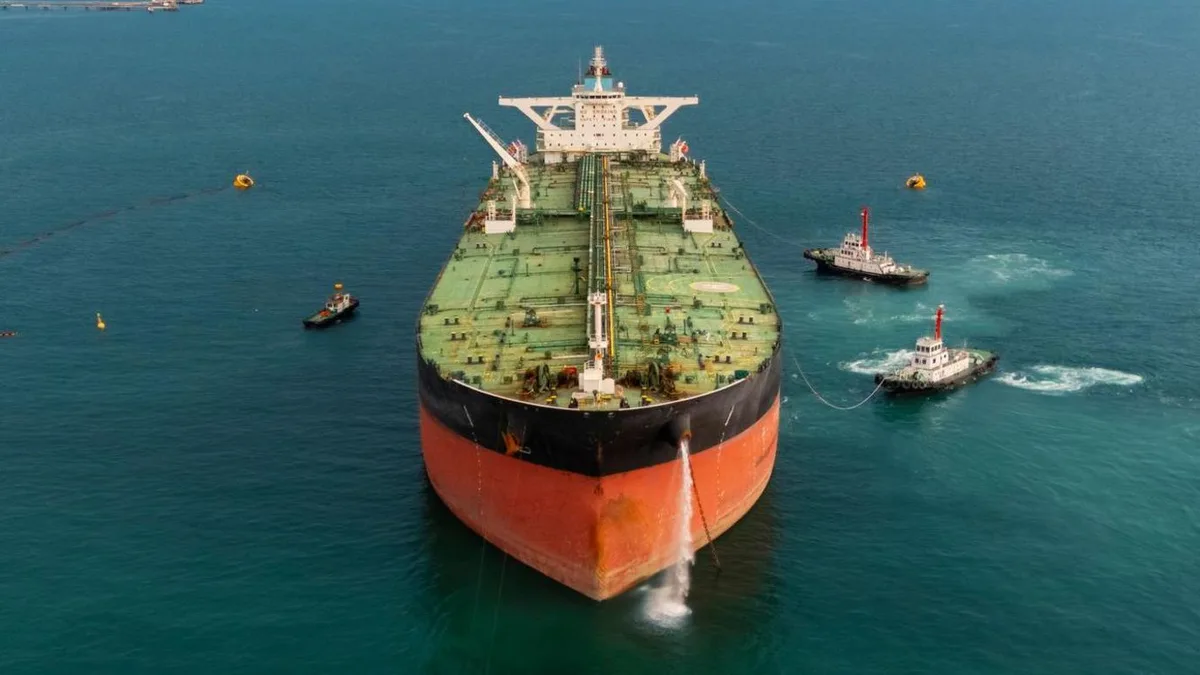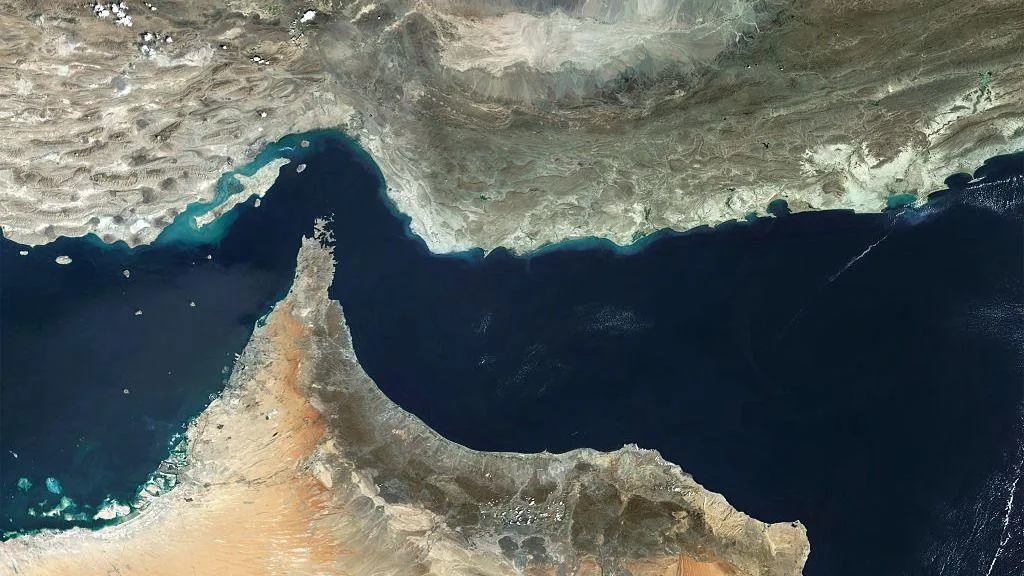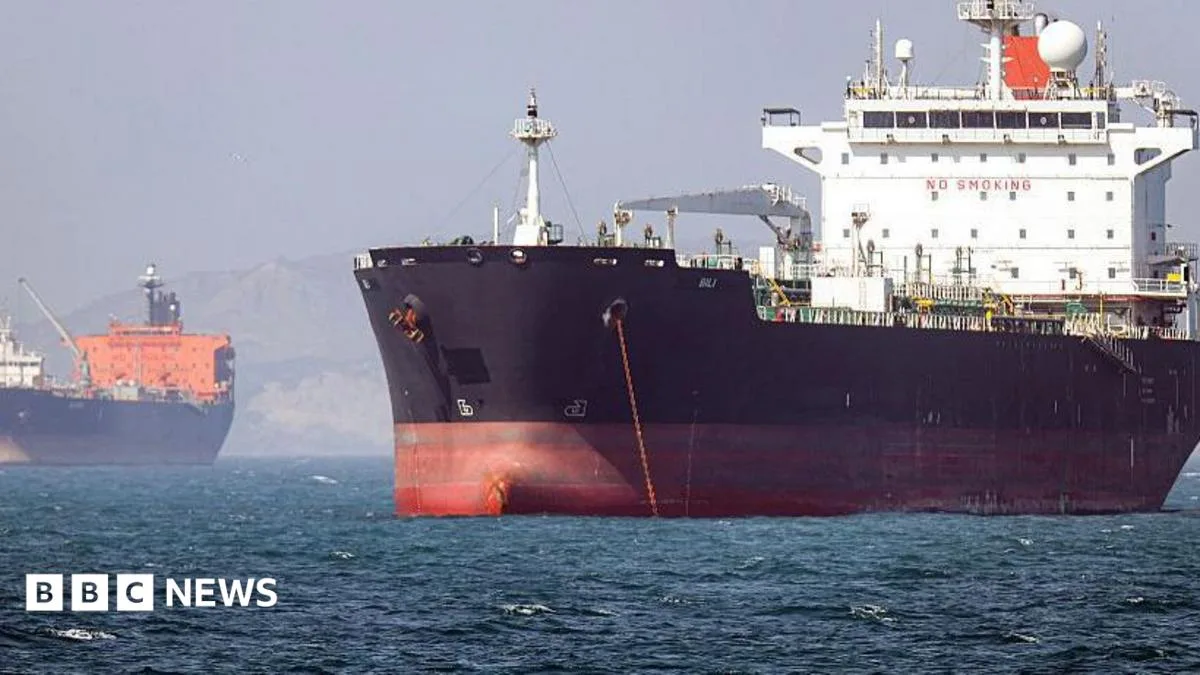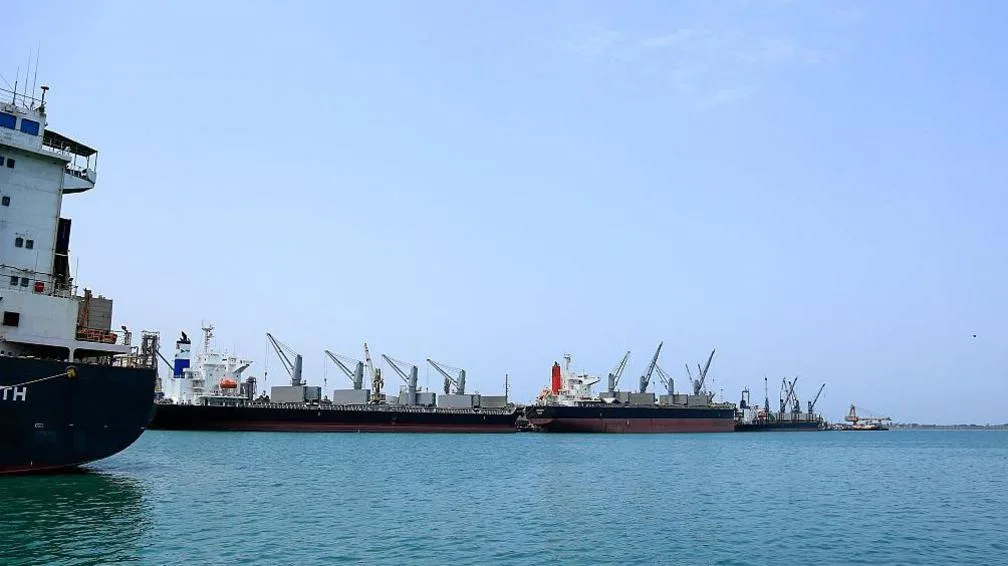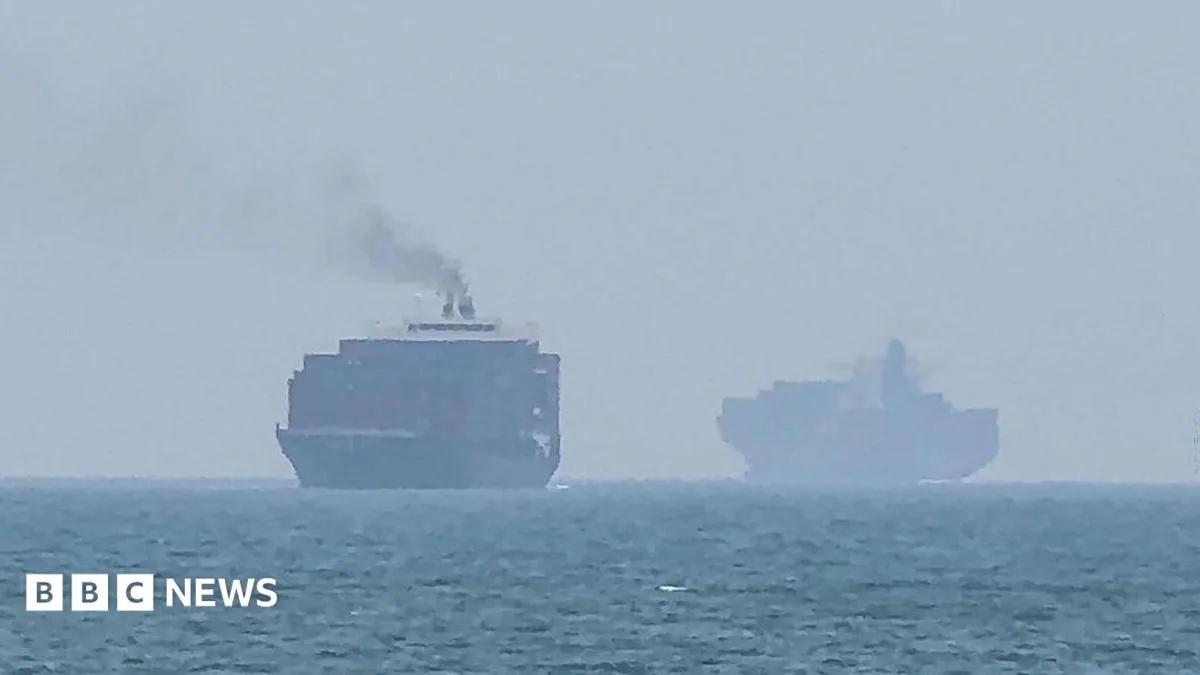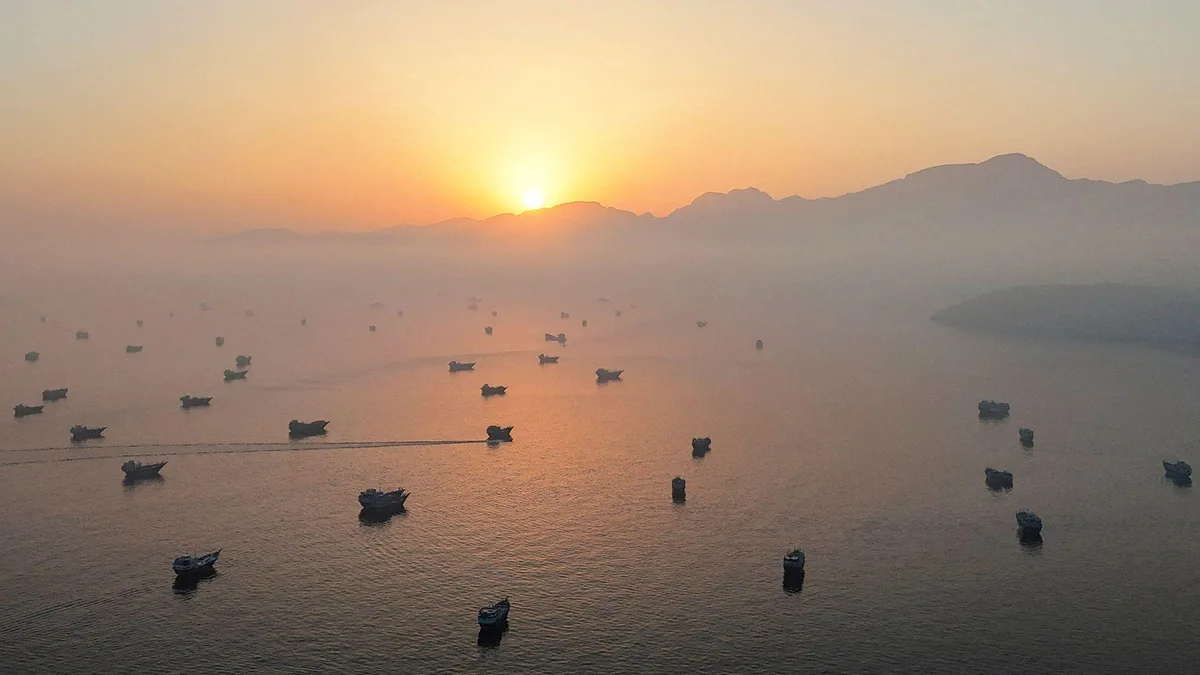
The Strait of Hormuz has been effectively closed since late February due to conflict between the US and Iran, disrupting about one-fifth of global oil and LNG supplies [1, 2, 3, 4]. Hundreds of ships have been waiting to transit the strait, further straining global energy markets [5, 6].
US Treasury Secretary Scott Bessent and other officials said talks with Iran have progressed and a deal to reopen the strait could be reached as soon as August 4 or 5. Bessent said, "We are in talks with the Iranians, and I think there is a chance we may have a deal today or tomorrow to open the strait and move towards a more normalised position in this conflict." He added the deal would ensure "freedom of movement" through the strait [1, 3, 5, 6].
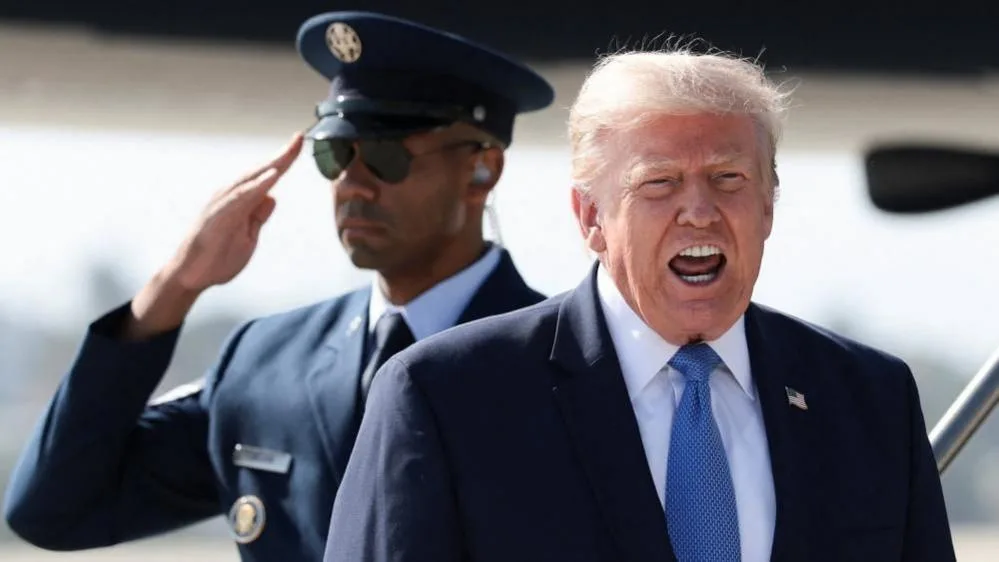
On August 4, US President Donald Trump warned Iran the strait must be reopened soon or they will be "hit very hard," expressing optimism a deal could be imminent. He said, "The strait is going to be open very soon, or they’re going to get hit very hard – and then the strait’s going to be open" [3, 5, 7].
Meanwhile, Iranian officials denied direct negotiations with the US and said talks are ongoing only with Oman. Iran and Oman have been negotiating management of maritime traffic through the Strait of Hormuz since July, reaching an agreement in principle on early August 5. Iran’s Deputy Foreign Minister Kazem Gharibabadi said, "An understanding in principle has been reached on almost all the raised issues, including the map for maritime traffic entry and exit routes" [2, 3, 5, 4].
Iranian officials reiterated that reopening the strait fully depends on additional conditions, including compensation demands, lifting US blockades, and other US concessions. Iranian Foreign Minister Abbas Araghchi said the reopening remains "subject to other conditions," and security chief Mohammad Baqer Zolqadr said the strait will not reopen until the US "corrects" its behaviour [2].
Security risks persist in the area amid tensions. On August 4, an unknown projectile hit a cargo ship in the Strait of Hormuz, highlighting ongoing dangers for maritime traffic [3, 5].
Oil prices reacted quickly to the optimism. Brent crude fell almost 5% below $80 a barrel, and WTI dropped to $75–76 per barrel on hopes the strait will reopen soon [1, 8]. Market sentiment also improved, lifting gold to seven-week highs and boosting regional stock markets [9, 10, 11].
Reports suggest the reopening deal might include a temporary 60-day arrangement for safe passage through the strait coordinated by Iran and Oman, without tolls [7]. However, any final agreement requires approval from Iran’s Supreme Leader, who remains difficult to reach after injuries sustained in February attacks [4].
Officials remain focused on concluding a deal by August 5 to restore navigation through the Strait of Hormuz, critical for global oil and LNG shipments.