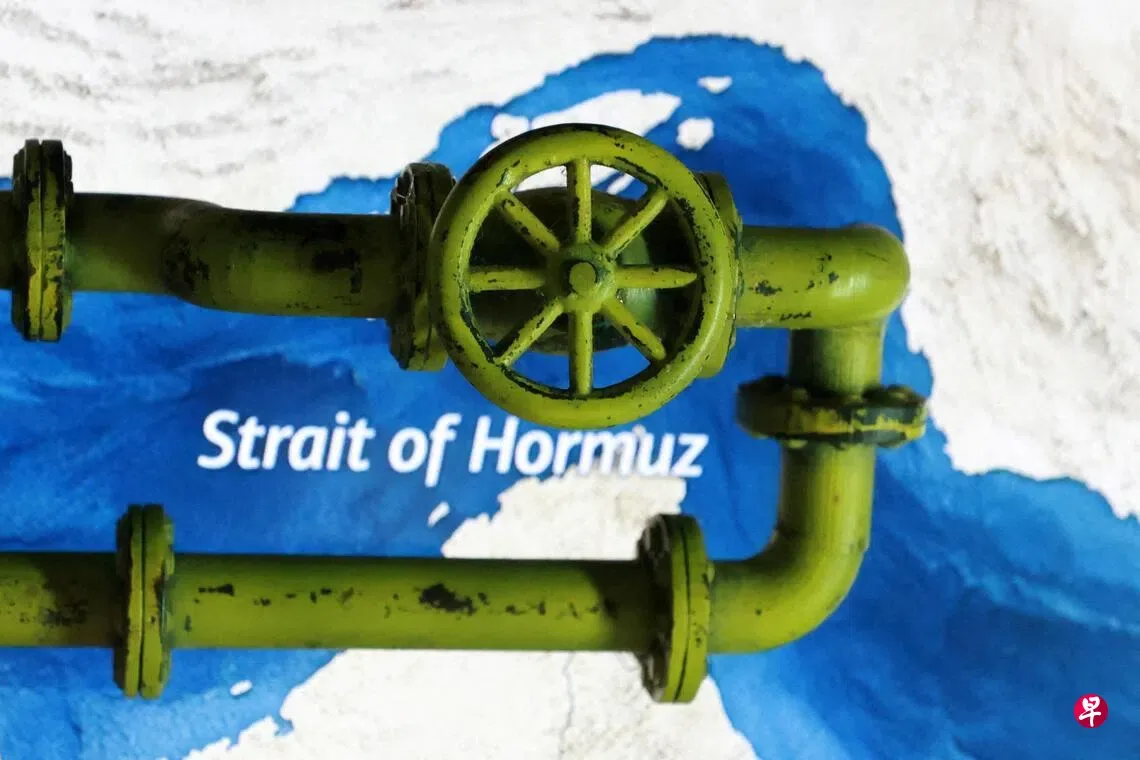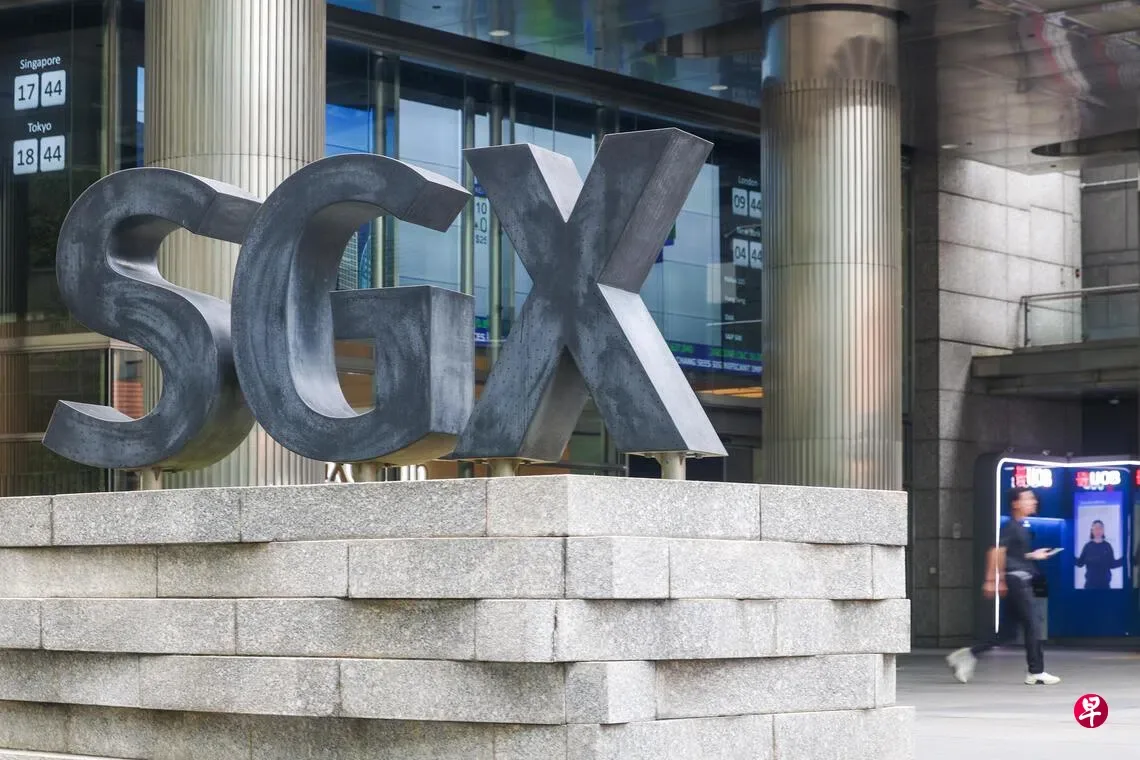
International oil prices dropped significantly on May 25 after reports emerged of progress in US-Iran negotiations that may lead to reopening the Strait of Hormuz, a key route for global energy supplies [1, 2]. Brent crude oil fell as much as 5.7% to about $97.64 per barrel, while WTI crude declined close to $92 per barrel [1, 2]. Asian stock markets responded positively, with Singapore's Straits Times Index rising slightly to close at 5,070.55 points on increased investor optimism [2].
The crisis affecting the Strait began in February 2026 when US and Israeli strikes on Iran disrupted oil shipments and triggered dual blockades, sharply reducing daily output from regional producers [1]. The Strait normally channels around 20% of the world's oil and LNG exports. Its reopening would relieve energy import pressures particularly for Asian economies including China, Japan, and South Korea [1].
Despite the progress in negotiations, US President Donald Trump maintained the blockade of the Strait would continue until a final agreement was reached, though he canceled planned strikes to allow talks to proceed [1, 3, 4, 5]. Trump warned that attacks could resume if the talks fail [4, 5, 6].
Kevin Hassett, White House Chief Economic Advisor, said he expects energy prices will "plummet" once a deal is reached, potentially creating room for Federal Reserve interest rate cuts [1]. However, some analysts point out major obstacles remain on sanctions and Iran's nuclear program, limiting optimism about a swift resolution [1, 3]. Charu Chanana, Chief Investment Strategist at Saxo Markets, said negotiators appear closer on ceasefire and Strait reopening frameworks, but still far apart on tougher issues [1].
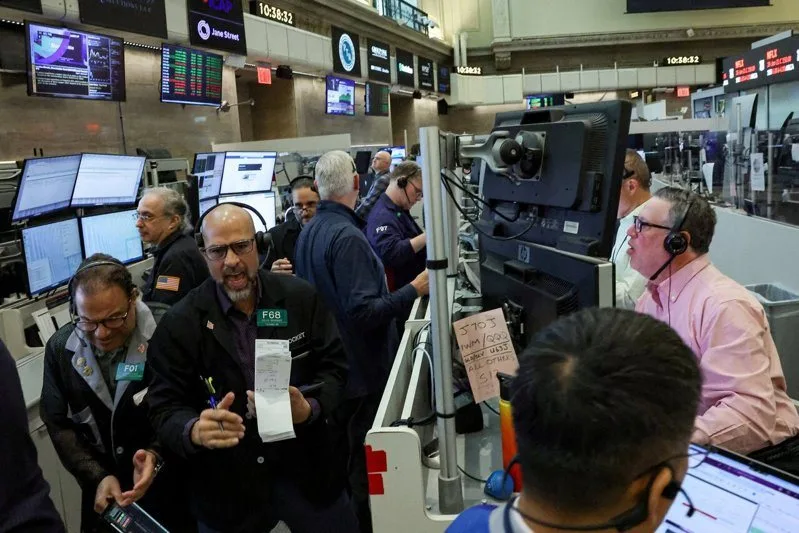
Rising US inflation and bond yields are creating economic uncertainties amid these geopolitical shifts. US April core CPI inflation rose 2.8% annually, exceeding forecasts in part due to energy costs [7, 3, 8]. Higher bond yields have dampened hopes for Fed rate cuts this year and strained tech stocks, including Nvidia and TSMC, which saw volatile trading amid tensions and inflation worries [3, 9, 10, 5]. Tim Ghriskey, senior strategist at Ingalls & Snyder, noted the market feared a sharp rise and engaged in some profit-taking [5].
The next key developments will hinge on whether talks produce a final agreement to end the blockade and fully reopen the Strait of Hormuz. The fragile peace talks continue, with markets closely watching for further statements or actions from Washington and Tehran [1, 4].