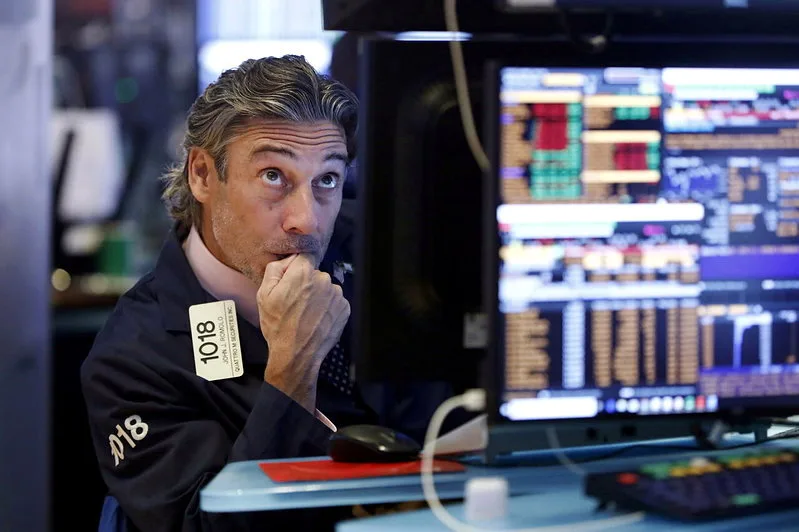
US long-term Treasury yields surged to near two-decade highs on August 20, with the 30-year yield reaching 5.32% to 5.34%, its highest level since June 2007. The increase was driven by concerns over fiscal policy, rising government spending, inflation, and geopolitical tensions in the Middle East [1, 2, 3, 4, 5, 6, 7].
The 10-year Treasury yield also climbed to about 4.7%, approaching multi-year peaks amid these pressures [1, 3, 6, 8, 9]. On August 19, the US Treasury announced plans to at least double its monthly buybacks of 10-, 20-, and 30-year bonds to help suppress long-term yields. While this caused a brief drop in yields that day, the upward trend resumed the next morning [10, 11, 8, 9].
President Donald Trump escalated geopolitical tensions by announcing on August 19 that the US would not extend a ceasefire with Iran. This contributed to a rise in Brent crude oil prices, which traded near $91 a barrel amid Middle East conflict concerns [1, 8, 9]. Nick Twidale, Chief Market Analyst at AT Global Markets, said, "Oil price high, rising US Treasury yields, and rekindling geopolitical risks likely cause market volatility. Traders watch closely for Middle East developments" [1].
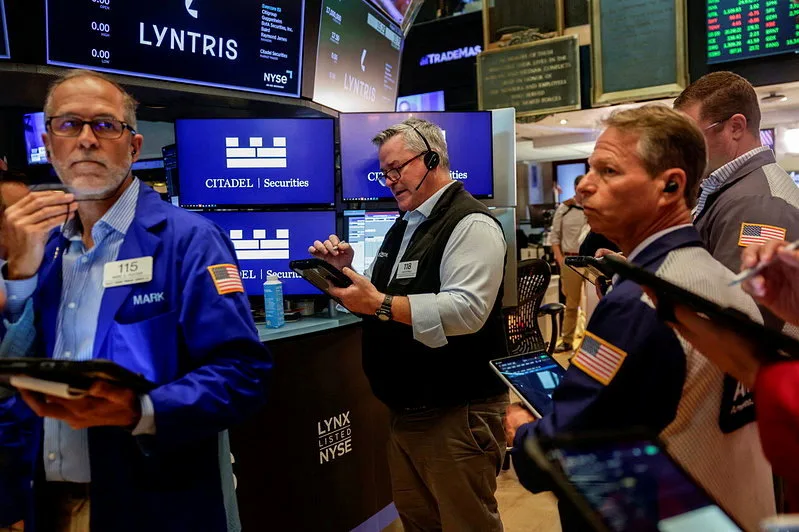
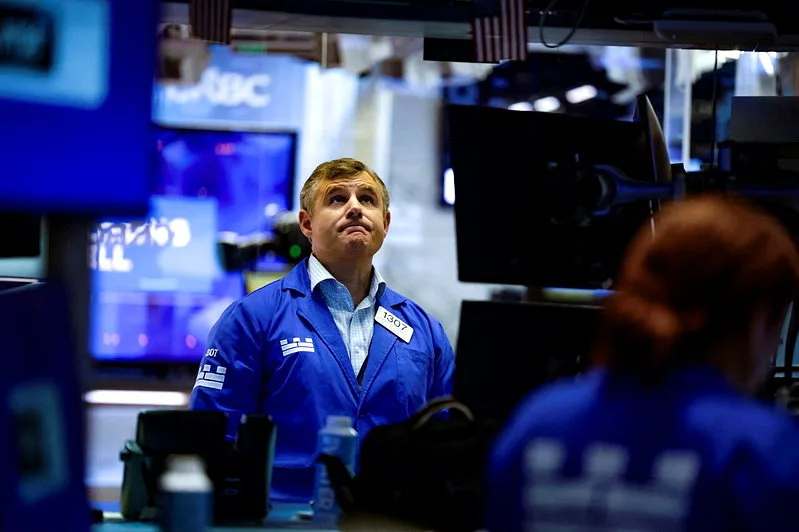
Stock markets showed broad weakness amid these conditions. The Philadelphia Semiconductor Index fell nearly 5% on August 18, with major chipmakers like Micron, Intel, Nvidia, AMD, and TSMC ADR also seeing significant losses. Asian markets dropped on August 19, with South Korea’s Kospi down nearly 6% and semiconductor stocks Samsung and SK Hynix down roughly 7% [2, 3, 4, 5, 6, 7]. On August 20 morning, despite the Treasury’s bond buyback, US major indexes opened lower with the Dow down 345 points (0.6%) and the S&P 500 and Nasdaq down 0.2%-0.4%. The Philadelphia Semiconductor index inched up 0.2% and TSMC ADR rose 0.5% [8, 9].
Rising Treasury yields have driven up borrowing costs for technology companies. Analysts warn that high yields increase capital expenditure costs for hyperscale cloud providers and may dampen AI infrastructure spending growth. Kazunori Tatebe, Chief Strategist at Daiwa Asset Management, said, "With uncertain Middle East outlook and high yields, markets may maintain risk-averse behavior. Yield rises will increase borrowing costs for hyperscalers, raising doubts on capital expenditure outlook" [4]. Many large tech and AI companies have issued high volumes of corporate bonds, crowding out government bond demand and contributing to elevated yields [2, 5].
The US dollar index dropped about 1% on August 19 following the Treasury’s buyback announcement, while gold and Bitcoin prices rose [10, 11]. Robin J. Brooks of the Brookings Institution cautioned that the Treasury’s expanded bond buybacks reflect serious yield problems but risk currency weakness without Federal Reserve action [10].
In Taiwan, memory chip-related stocks and some ODM suppliers performed well recently on strong AI server demand and results, although companies like Foxconn weakened after profit-taking [12].
The Treasury's bond buyback increase aims to stabilize the market, but yields remain elevated as of August 20. Market participants will closely watch ongoing Middle East developments and upcoming economic data for signs of yield trajectory and risk sentiment.