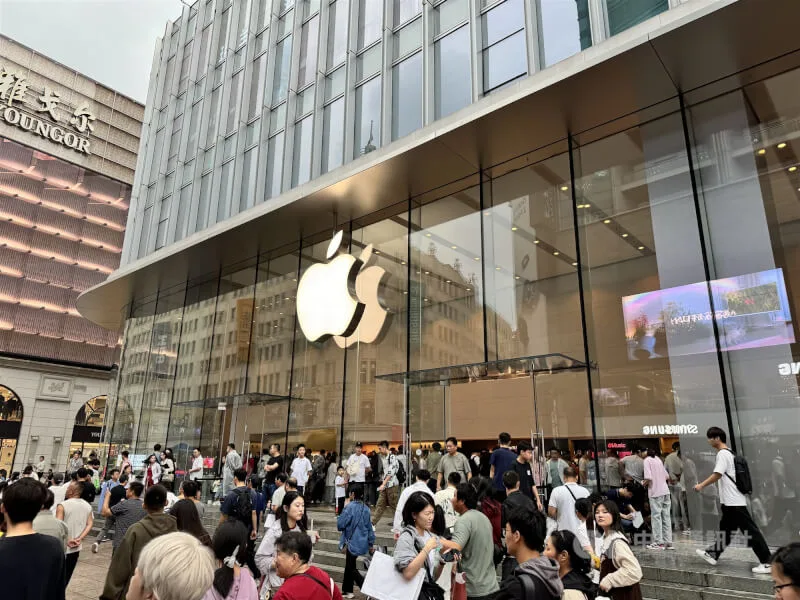
US Commerce Secretary Howard Lutnick publicly opposed Apple sourcing memory chips from Chinese companies Changxin Memory Technologies (CXMT) and Yangtze Memory Technologies (YMTC).
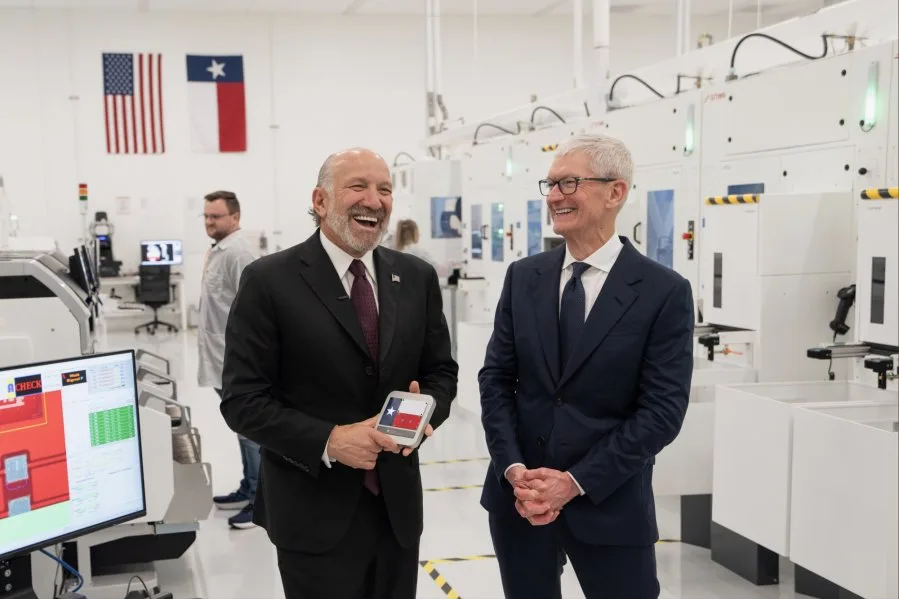
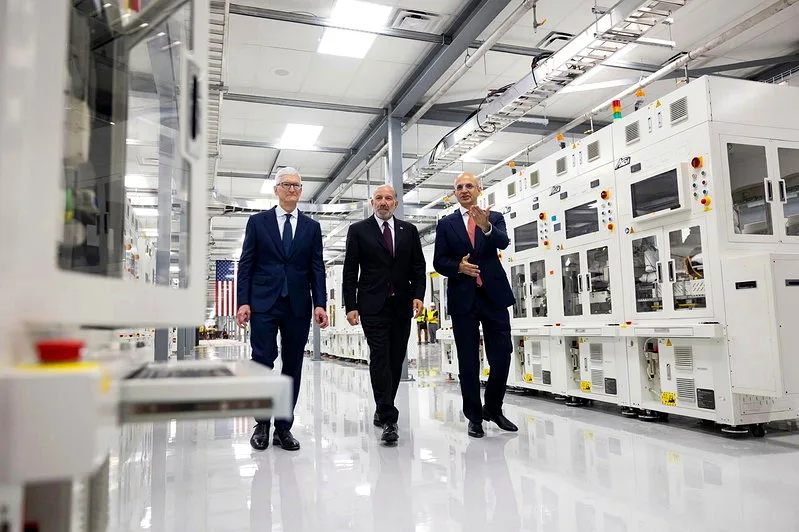
During a visit to Apple's manufacturing facility in Houston, Texas, on August 14, Lutnick said the Trump administration "does not agree with this. The memory issue must be solved another way, but it cannot be by having a top US company use Chinese-made memory," signaling firm resistance to such purchases [1, 2, 3]. He added, "It is clearly communicated" [3].
Apple is reportedly testing memory chips from CXMT and YMTC, possibly for products sold in China, prompting concern in Washington [1, 2]. Apple Chief Operating Officer Sabih Khan declined to confirm the testing but acknowledged the company "must consider all options" due to the severity of the global chip shortage. He also noted that "the customization level of memory chips is low," indicating limited need for sharing proprietary information [3, 4].
The US government has export controls requiring Apple to get permission before providing technical product data to Chinese firms for custom chip production, though buying off-the-shelf chips may not require approval [1, 5].
Micron Technology urged the Trump administration to block Apple from using Chinese memory chips, warning such procurement would undermine US manufacturing and semiconductor reshoring efforts [1]. Several US senators from New York, Indiana, and Idaho also wrote to Apple CEO Tim Cook urging the company to avoid cooperating with these Chinese manufacturers [1, 2].
Lutnick said the administration is pressing Apple to bring more of its supply chain and manufacturing back to the US. "Their supply chain is built on low-cost labor. Now they need to build a supply chain based on advanced manufacturing. Can Apple do it? Absolutely," he said [5]. He added, "You will see step by step that they will bring a significant part of their business back to the US" [3].
Apple has committed to purchasing US-made chips and expanding Mac mini assembly in Texas but its main supply chain remains concentrated in Asia. Building new US chip production capacity could take over a year, complicating a quick fix to the shortage [3, 5, 6].
Apple announced a $600 billion US manufacturing investment to the Trump administration, underscoring the scale of its shift [5].
The dispute highlights the tightrope Apple walks between navigating supply shortages and US government pressure to prioritize domestic sourcing. The next key developments include any formal US government rulings on export controls and whether Apple proceeds with purchasing Chinese memory chips amid ongoing shortages.