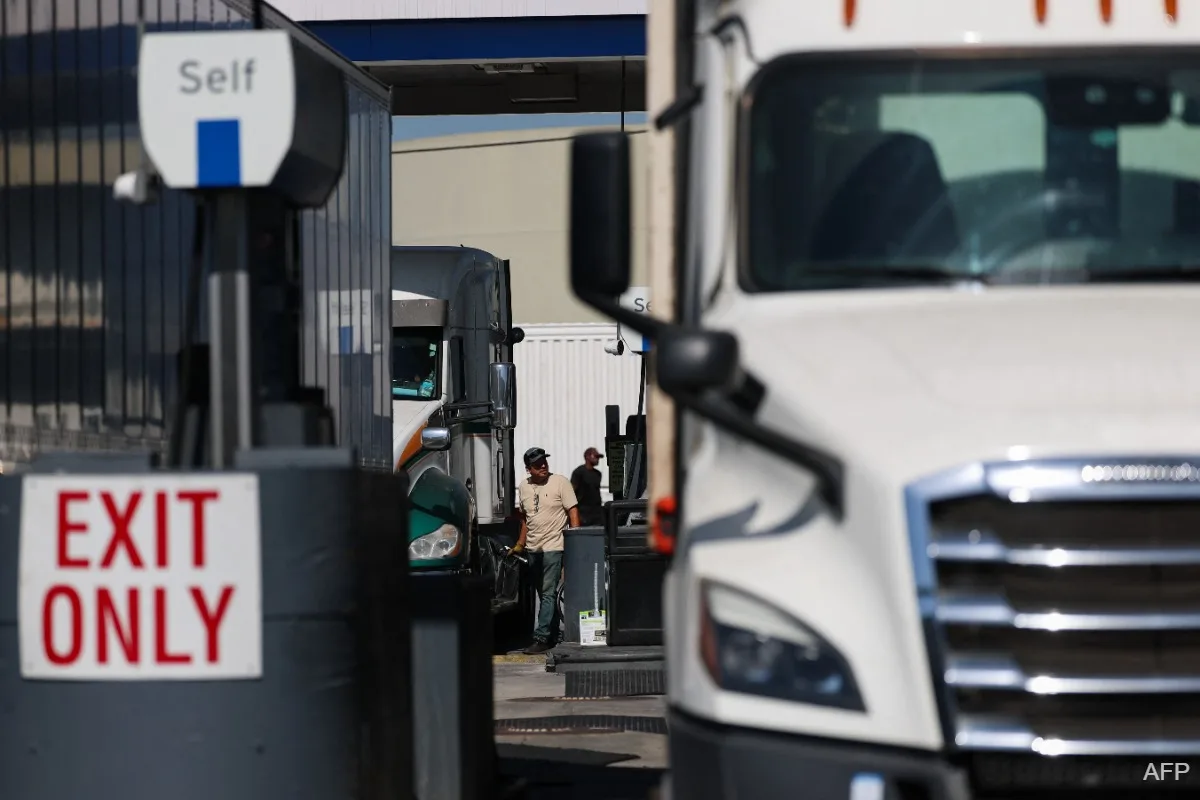
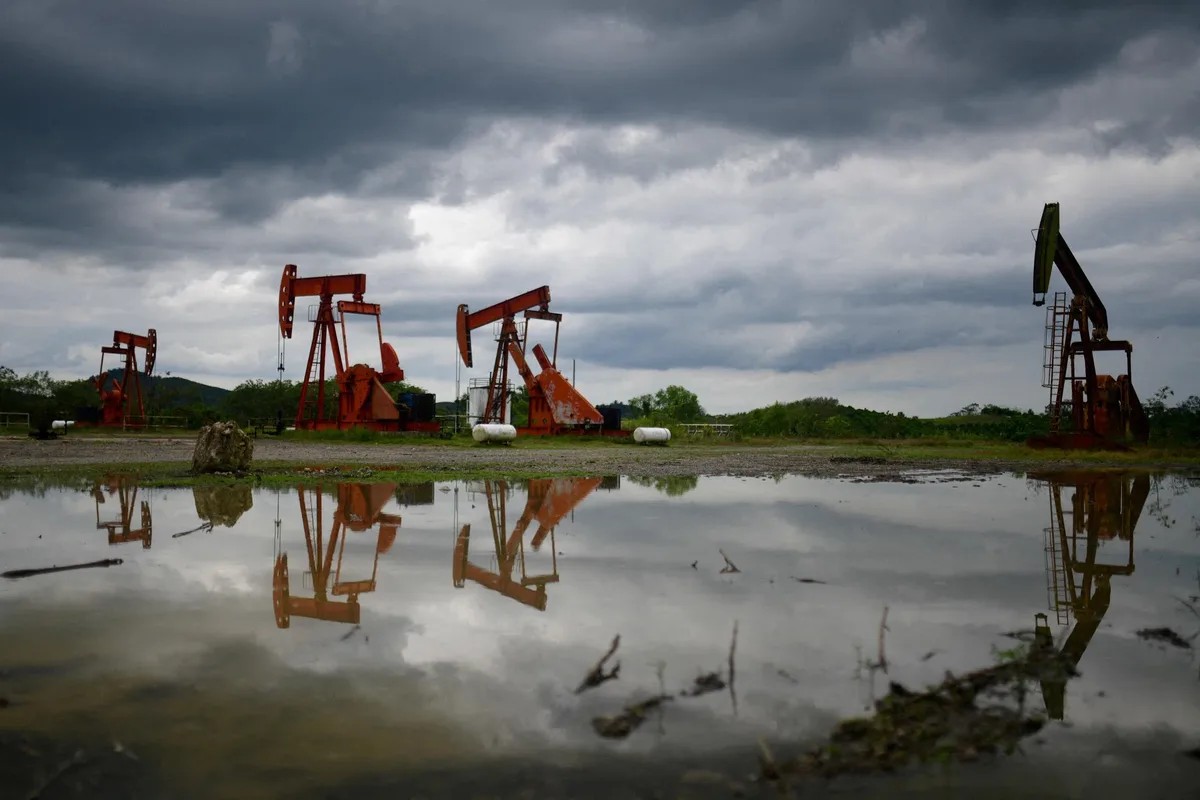
The US average retail diesel price hit a record $5.85 per gallon on September 4, 2026, surpassing the previous peak set following the 2022 Russia-Ukraine conflict [1, 2, 3, 4, 5, 6, 7, 8, 9, 10]. This surge comes amid ongoing military confrontations between the US and Iran and Tehran’s blockade of the Strait of Hormuz, which has severely restricted critical fuel supply routes [1, 2, 3, 4, 6, 8, 10]. Brent crude closed at $92.68 per barrel and West Texas Intermediate crude at $91.48 on the same day, marking weekly gains of 7.6% and nearly 10%, fueled by the geopolitical tensions in the Middle East [4, 8, 10].
The rise in diesel costs is adding inflationary pressure across the US economy. Diesel fuels about 75% of freight transport and is vital to agriculture and manufacturing, sectors now facing increased operating expenses [1, 5, 6, 9]. Derrick Austin, a North Carolina farmer, noted, "That's US$15,000 that could stay in my bank account. While oil prices have largely hovered around the US$90 mark, prices for refined products such as gasoline and diesel have risen meaningfully and outpaced the increase in crude oil prices" [1]. US farmers also face higher fertilizer costs, contributing to an expected 2.5% decline in real farm income in 2026 after adjusting for inflation [1, 6, 9]. Fuel costs for farms have risen nearly 30%, while fertilizer prices increased around 15% this year [6, 9].
Gasoline prices in the US also hit seasonal records, averaging $4.15 per gallon on September 4 [1, 2, 6, 7, 9, 10]. US Vice President JD Vance said the government hoped prices might fall before Labor Day but criticized Europe for failing to ensure stable market supply [7]. Analysts warn diesel supply could tighten further in October due to demand from harvest activities, heating needs, and upcoming refinery maintenance [3, 11, 5, 6, 9].
Despite US government statements that oil flows in the Middle East have mostly normalized, analysts contend that tanker traffic through the Strait of Hormuz remains heavily disrupted, sustaining supply shocks [4, 8]. Energy Aspects founder Amrita Sen said, "We see no possible solution to the diesel supply problem unless prices cause demand destruction. Diesel prices have to remain at around $200 per barrel equivalent" [3, 11, 5, 6, 9].
The high diesel prices are also increasing political pressure on President Trump as many of the states relying heavily on diesel fuel are Republican strongholds. With the November 2026 US midterm elections approaching, fuel costs and inflation have become key concerns [1, 3, 11, 5, 6, 9]. Trump has urged oil industry leaders to help bring down fuel prices amid this pressure [3, 11, 5, 6, 9].
US employment data from August showed 162,000 jobs added, raising expectations of Federal Reserve interest rate hikes that could affect markets further [4, 8]. Analysts say this dynamic, along with the fuel price inflation, is contributing to rising government bond yields and economic uncertainty [4].
Diesel supply constraints and elevated prices are expected to persist through October and beyond due to seasonal demand and refinery maintenance, continuing to affect US consumers and businesses [3, 11, 5, 6, 9]. The midterm elections in November will occur against this backdrop of high fuel prices and inflation pressures [1, 2, 3, 6, 9].