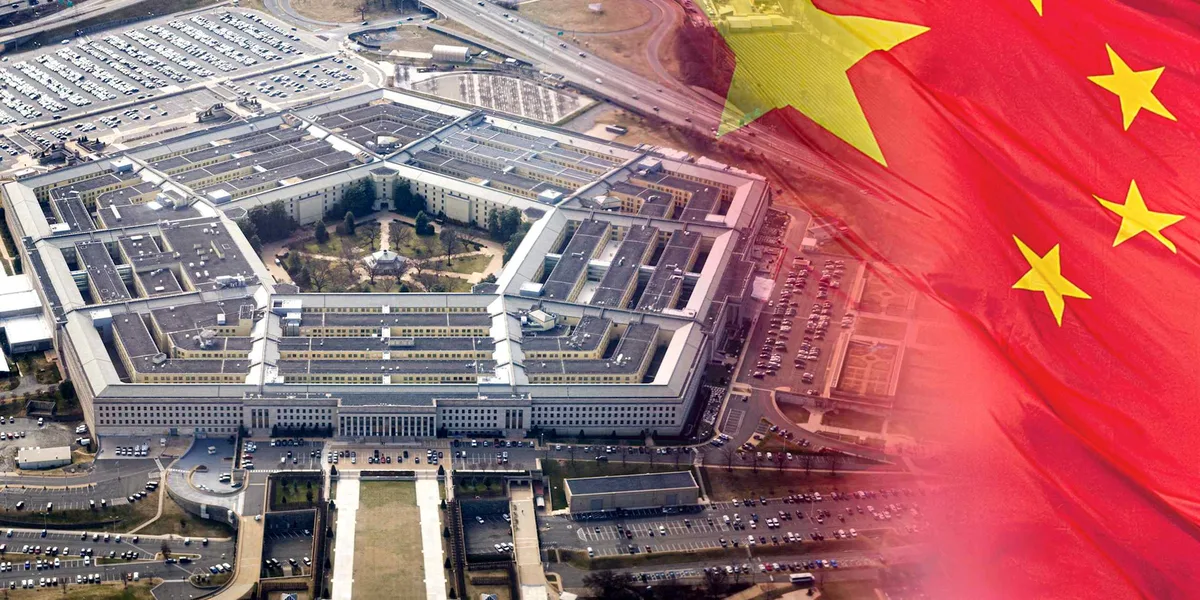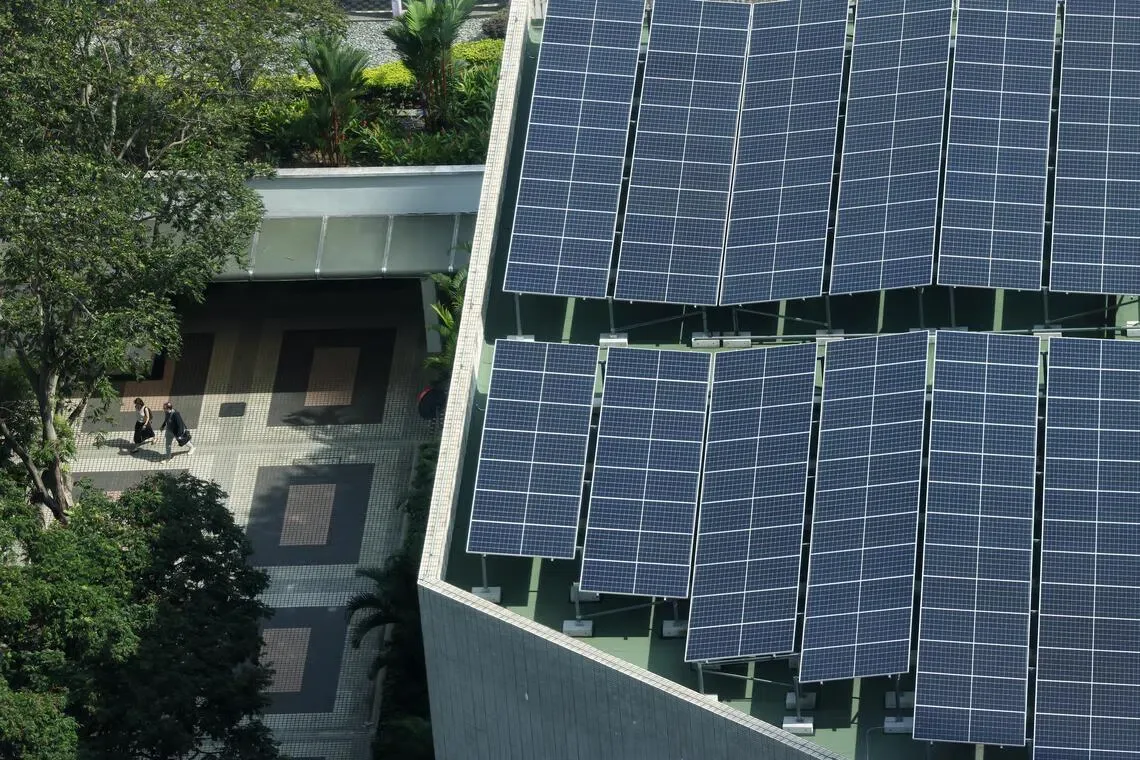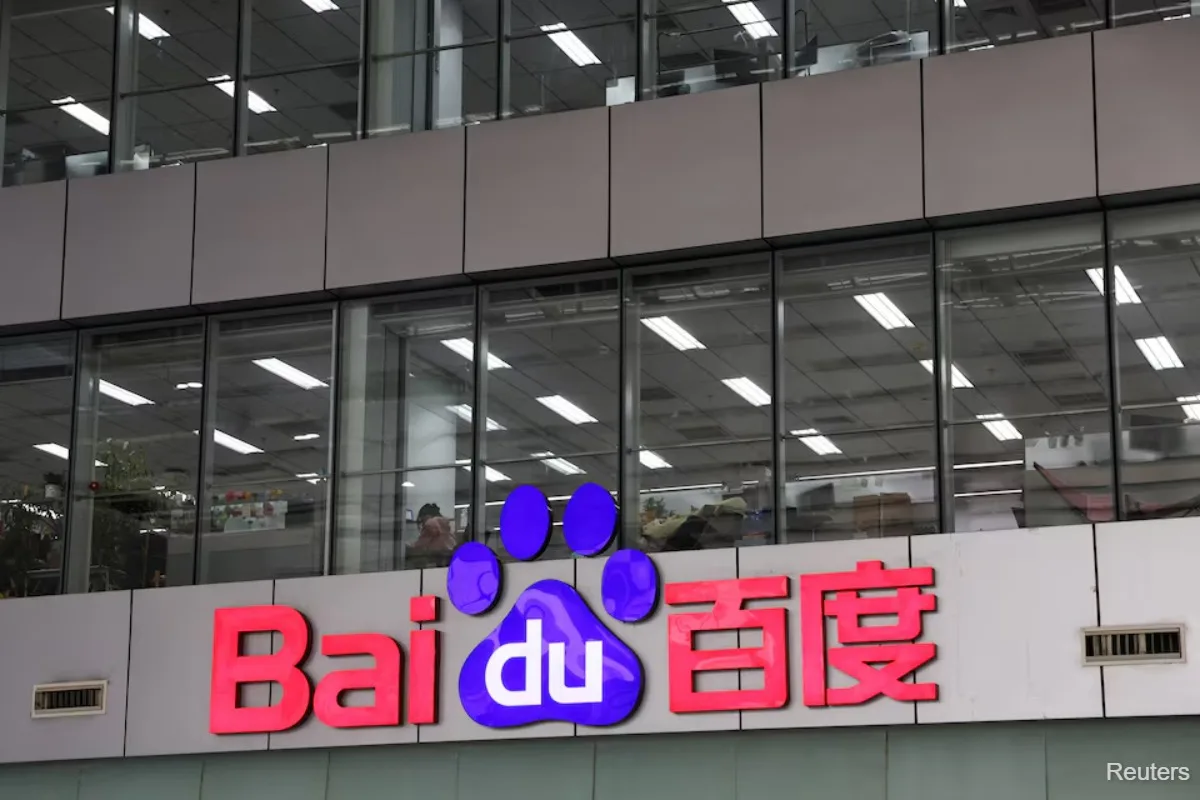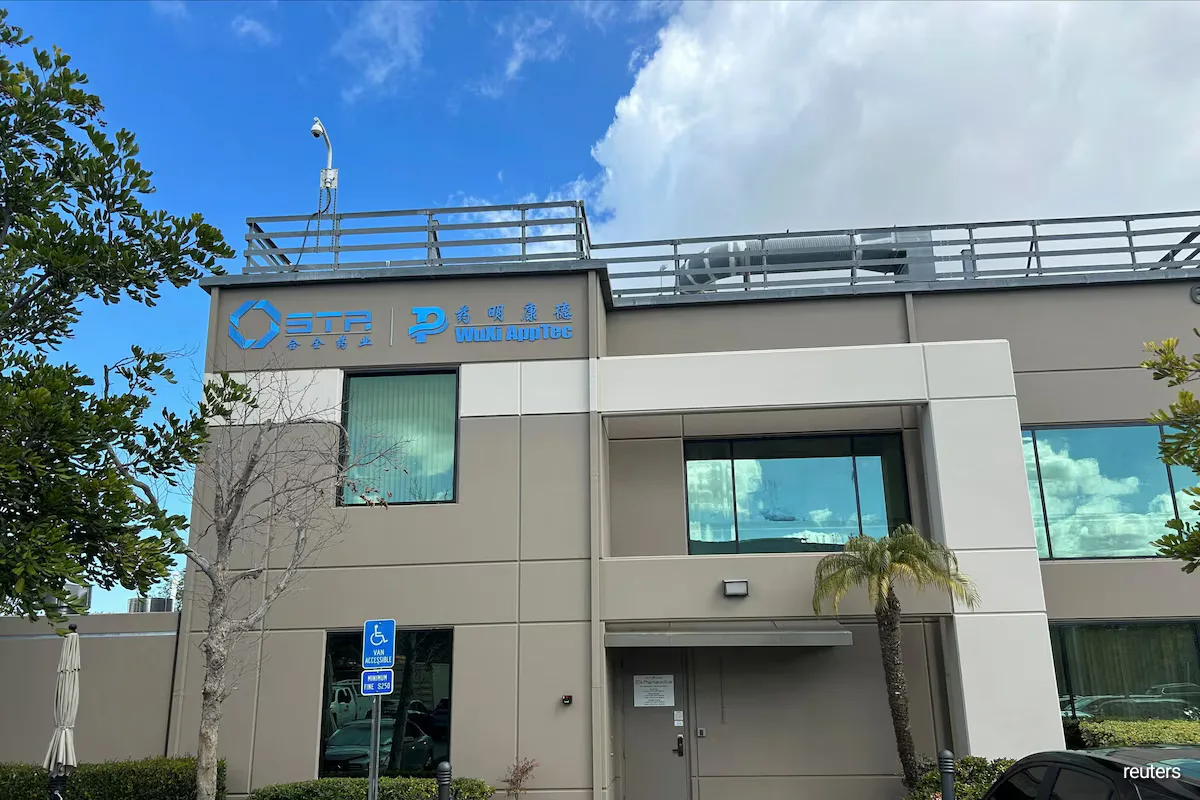
The US Department of Defense published an updated Section 1260H list under the 2021 National Defence Authorisation Act on June 8, adding Alibaba, BYD, Baidu, and more than a dozen other Chinese companies as 'Chinese military companies' operating in the US [1, 2, 3, 4, 5, 6]. The expanded list now includes 80 firms covering tech giants such as Tencent, electric-vehicle makers Nio, biotech firm WuXi AppTec, solar manufacturers JA Solar and Trina Solar, robotics companies Unitree and RoboSense, memory chip providers ChangXin and Yangtze Memory Technologies, and networking equipment maker TP-Link [1, 2, 3, 7, 5, 8].
This update supersedes a version briefly released and then withdrawn without explanation in February 2026 [2, 3, 4, 5, 9]. Some companies were removed from the list this time, including subsidiaries of China National Offshore Oil Corporation and COSCO Shipping Finance, often due to ending US operations or corporate restructuring [1, 3].
The blacklist restricts the Pentagon from contracting directly with the designated firms and limits purchases of their products through third parties starting in 2027 [7, 8]. WuXi AppTec, which generates 70% of its roughly 45 billion yuan revenue from the US, said the designation could deeply impact its biotech partnerships and drug supply chains valued within a $138 billion global market [10].
The companies denied allegations linking them to China’s military. An Alibaba spokesperson said, "Alibaba is not a Chinese military company nor part of any military-civil fusion strategy," and vowed to take "all available legal action" against the listing [5]. Baidu’s spokesperson called the claim "entirely baseless," pledging to seek removal [5]. WuXi AppTec described its inclusion as "incorrect" and denied any military ties, promising to challenge the designation immediately [5]. Trina Solar urged the US government to "immediately rectify this erroneous measure" and promote a fair business environment [8].
China’s Ministry of Foreign Affairs condemned the blacklist on June 9, calling it unreasonable suppression and warning of "necessary measures to firmly safeguard the legitimate rights and interests of Chinese companies" [4, 9]. Foreign ministry spokesman Lin Jian said, "China has consistently and firmly opposed the United States’ generalisation of the concept of national security... and its unreasonable suppression of Chinese companies. The US should correct its erroneous practices" [4].
On June 1, Nvidia announced robot-building collaboration with Unitree, a company now on the blacklist, illustrating ongoing commercial ties despite the tensions [3, 5].
The Pentagon’s restrictions on contracting or buying from the listed companies will take effect in January 2027 [7, 8].