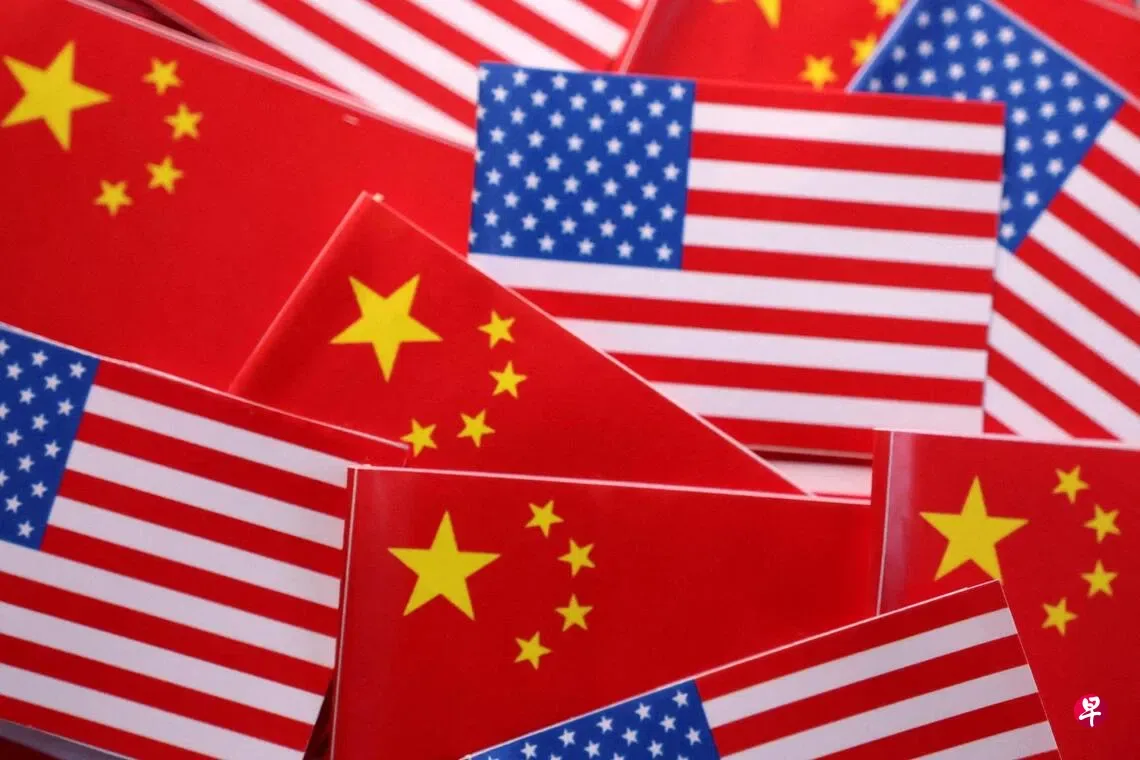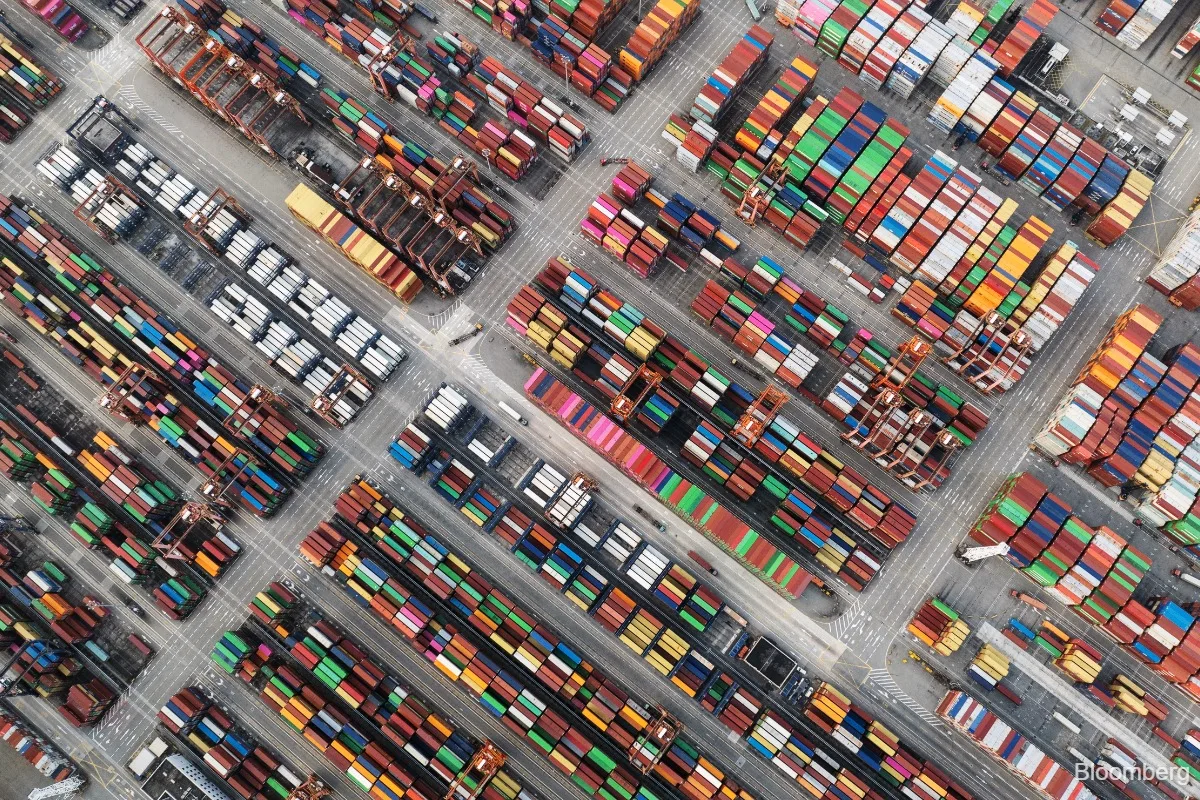
The US government is set to impose a 7.5% tariff on Chinese goods due to allegations of excess manufacturing capacity ahead of the scheduled summit between Presidents Xi Jinping and Donald Trump on September 24, 2026, in Washington [1, 2, 3, 4]. This tariff would add to existing duties, bringing total US tariffs on Chinese imports to about 20%, in line with the limits of the current trade truce [1, 3, 4].
The administration initiated a Section 301 investigation in March into overcapacity issues affecting 16 economies, including China [1, 2]. The US Trade Representative Jamieson Greer noted the complexity of the excess capacity probe means it will take longer than the ongoing forced labor investigation and said the delay is unrelated to efforts to maintain the trade truce with China [1].
Details on exact tariff rates and possible suspension arrangements remain unsettled. Officials considered announcing a higher tariff but suspending part to yield an effective 7.5% rate temporarily [1, 3].
China strongly opposes the tariff plans. Huang Ling, spokeswoman for China’s Commerce Ministry, criticized the US for politicizing trade issues and called the investigation a form of unilateral protectionism. She warned that China will continue monitoring US measures and reserve the right to take all necessary counteractions [2, 4].
The US and China are currently negotiating an extension of the one-year trade truce, which expires November 10, 2026 [1, 3]. The upcoming summit between Xi and Trump is expected to address key trade and economic issues amid ongoing tensions [1, 2, 3, 5, 6, 4].
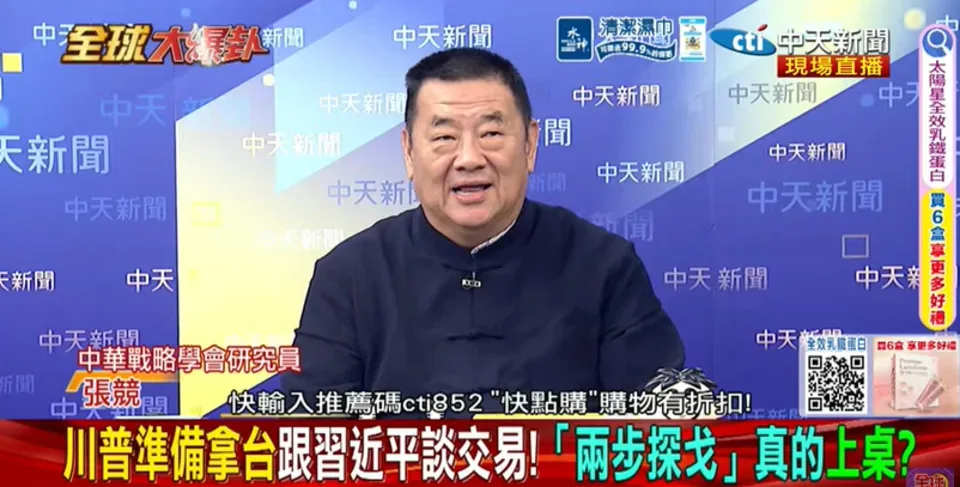
Analysts suggest the tariffs primarily serve US domestic political interests ahead of midterm elections, rather than significantly affecting global supply chains. Professor Qiu Dasheng pointed to the political motive of protecting American farmers and manufacturers, noting the timing coincides with the US election cycle [5]. Commentator Chen Fengxin argued that tariffs are a distraction, with Taiwan remaining the central issue in US-China relations [6].
China’s official stance indicates they are prepared for a firm response if tariffs proceed. Senior researcher Zhang Jing commented that China has grown accustomed to US tariff pressure, suggesting higher tariff numbers do not necessarily strengthen US bargaining power [6].
The US plans to finalize tariff details and implement the excess capacity tariffs before the summit on September 24, making the next month critical for US-China trade relations.