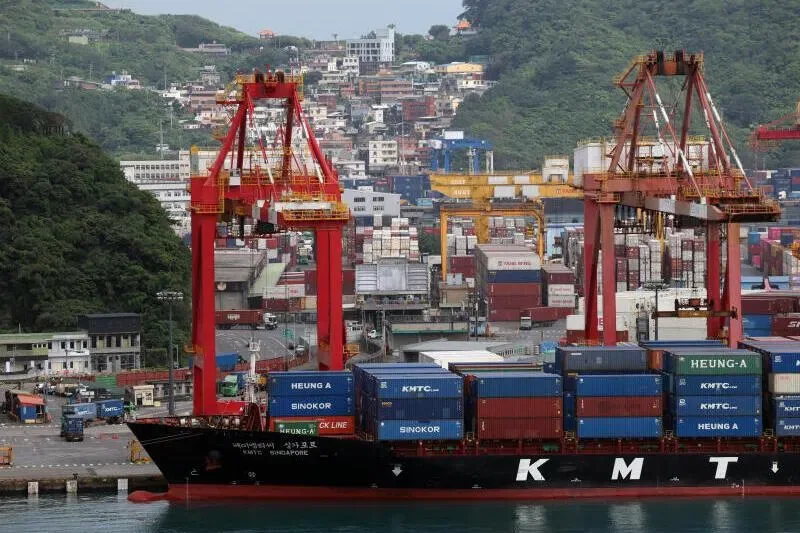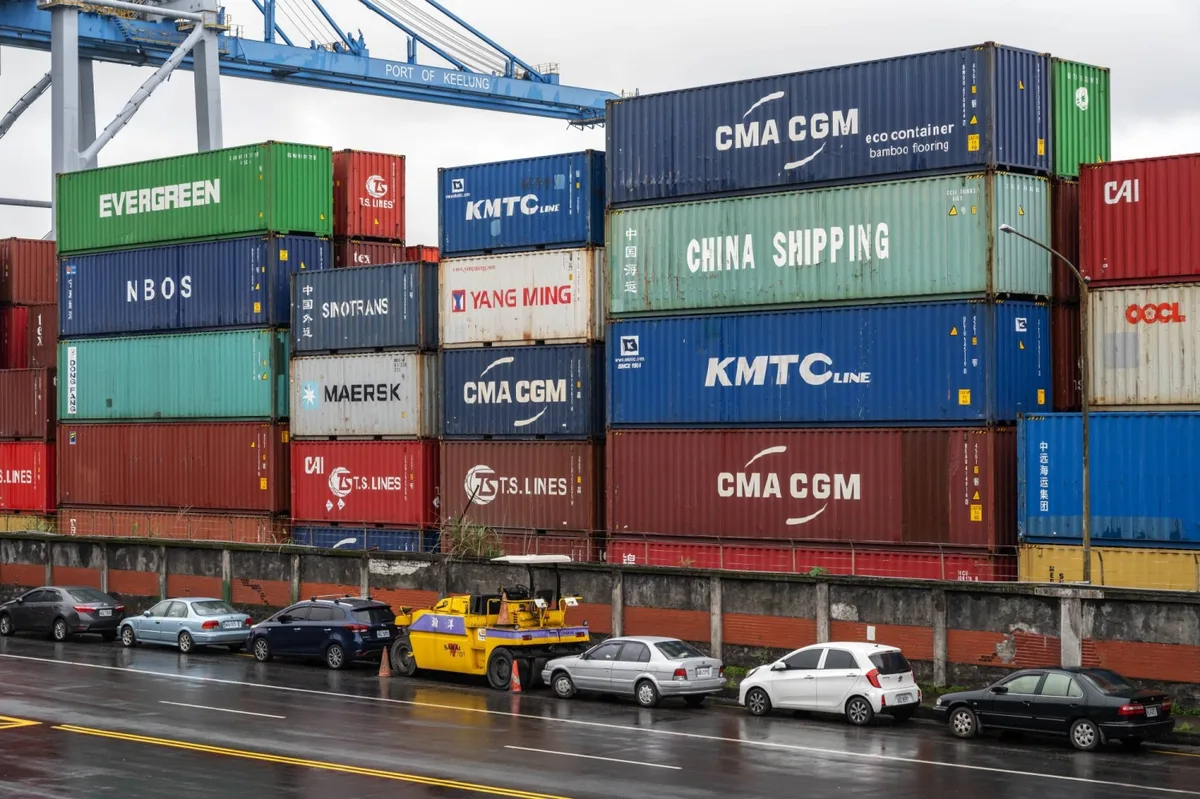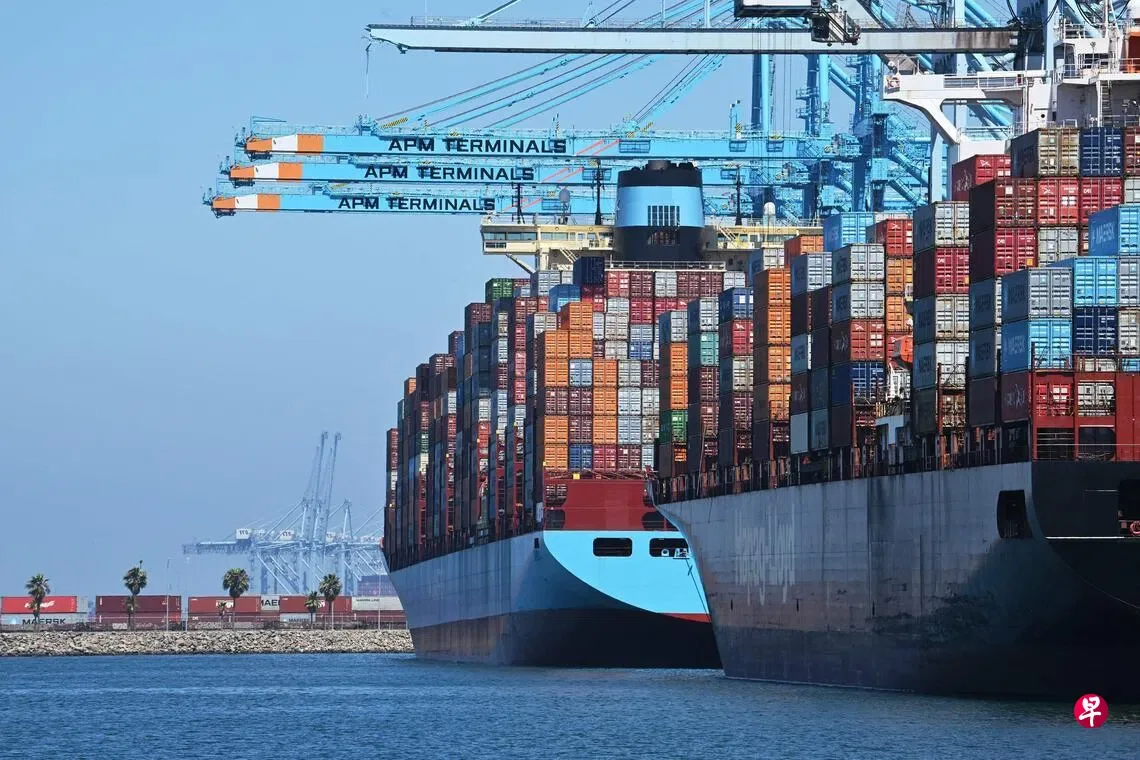
The United States began removing derivative tariffs on aluminium, steel, and copper used in aircraft parts imported from Taiwan starting May 1, 2026, the Executive Yuan announced on May 27 [1]. Washington also capped combined tariff rates on Taiwanese auto parts, timber, lumber, and wood derivative products at 15% as part of these changes [2, 1, 3].
These measures respond to tariffs imposed under Section 232 of the Trade Expansion Act of 1962, which allows duties if imports pose a national security threat [2, 1]. The tariff relief fulfills provisions of a reciprocal trade pact reached between the US and Taiwan in February 2026, aimed at expanding market access and cooperation across various sectors [2, 1].
Taiwan committed to increasing investments in the US semiconductor supply chain as part of the agreement, reflecting its role as a key hub for advanced chip manufacturing critical to US supply chains [2, 1]. Vice Premier Cheng Li-chun said the tariff relief "will help enhance the overseas competitiveness of related Taiwanese industries and allow further expansion in the US market" [1].
The tariff changes come amid heightened US-China tensions following a summit in early May between President Donald Trump and Xi Jinping, where Taiwan was a major topic [2]. Trump is reportedly also considering a potential $14 billion arms sale to Taiwan and may hold talks with Taiwanese President Lai Ching-te [2].
The US government posted official notices in the Federal Register on May 27 outlining the tariff removals and adjustments on Taiwanese imports [2, 1, 3]. The implementation of these changes on May 1 marks a concrete step in US-Taiwan trade relations in 2026.