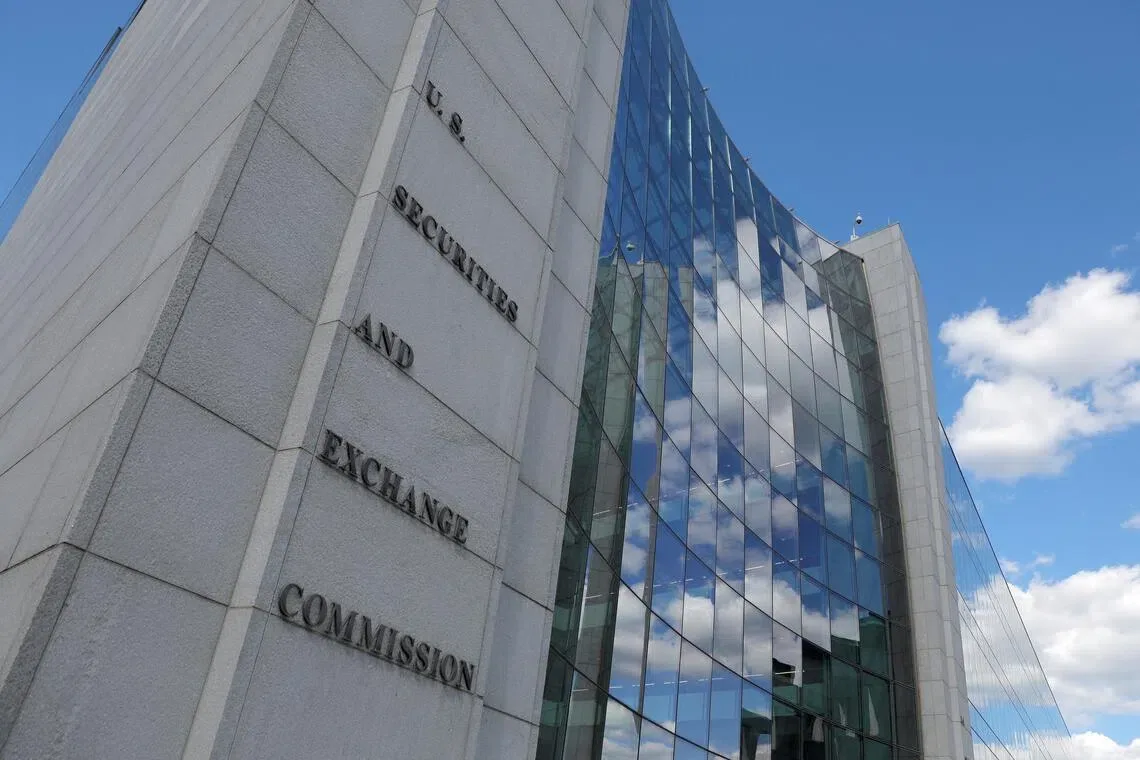
The US Securities and Exchange Commission (SEC) is investigating allegations that unknown insider traders made $100 million in profits trading options linked to Chinese brokerages Futu and Tiger Brokers before a Chinese regulatory crackdown on May 22, 2026 [1, 2, 3]. The trades involved US exchange-traded options on Chinese securities firms targeted in the crackdown.
Susquehanna International Group filed a lawsuit on June 29 in Manhattan federal court naming 100 John Doe defendants. Susquehanna claimed it suffered losses over $70 million as the counterparty to the alleged insider trades [1, 2, 3]. On the same day, a federal judge issued an order freezing accounts at Interactive Brokers Group and the trading platforms of Up Fintech Holdings, parent company of Futu and Tiger Brokers, that were used in the transactions. The court also authorized subpoenas for the identities of the account holders involved [1, 2, 3].
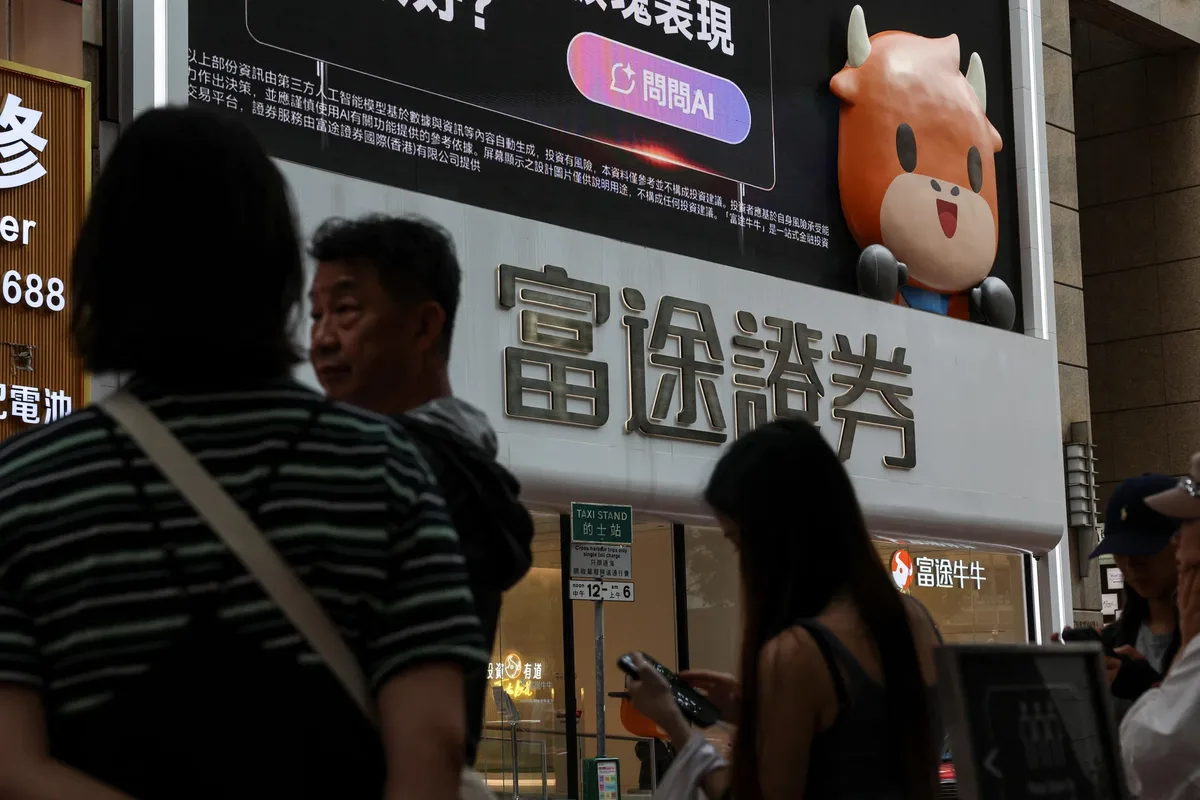
The May 22 crackdown by Chinese authorities targeted Futu and Tiger Brokers for operating unlicensed trading services for mainland residents. Following the announcement, shares of both firms fell sharply. Futu was fined 1.85 billion yuan (about $272-353 million), and founder Leaf Li lost $1.7 billion in net worth in a single day [1, 2, 3].
Susquehanna suspects the insider trading profits stemmed from tips leaked by Chinese regulatory staff or employees at Futu or Up Fintech. The trades involved high-risk options bought cheaply that yielded unusually large returns [1, 2, 3].
Interactive Brokers stated it has cooperated with Susquehanna by freezing suspicious accounts and will continue collaborating with regulators as inquiries proceed. An Interactive Brokers spokesperson said, "[We] had been cooperating with Susquehanna, including freezing accounts, and would cooperate with relevant regulators as we receive enquiries." [2]
Susquehanna's lawsuit and the SEC investigation represent the latest efforts to trace and mitigate the effects of large-scale insider trading linked to cross-border Chinese brokerage firms and regulatory actions. The court’s order on June 29 remains in effect as the investigation continues.