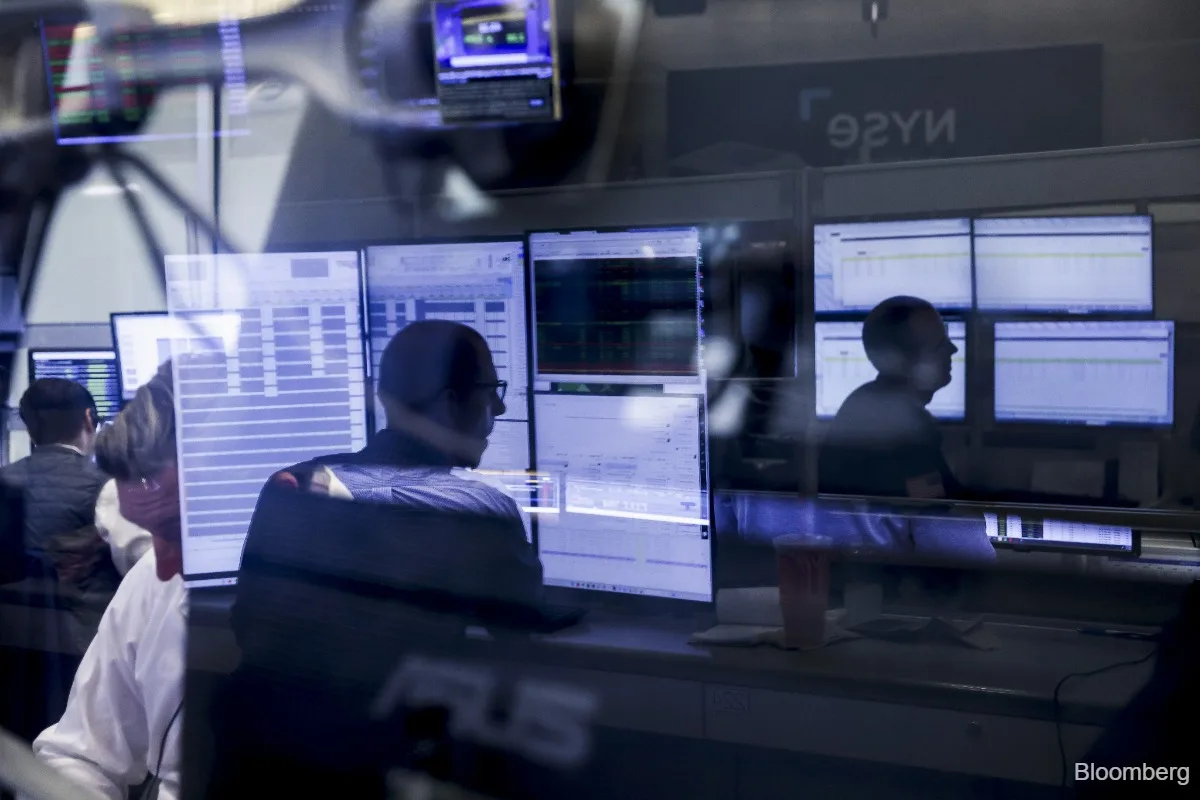
Wall Street funds and wealth managers have widely embraced artificial intelligence to gain edges in investing, resulting in more similar portfolios and crowded trades, according to researchers [1]. This convergence is shrinking the lifespan of profitable trading signals from five to seven years down to about 18 months. The rapid adoption of AI also encourages more risk-taking and makes investment models more vulnerable to manipulation [1].
In Asia markets, Hong Kong stocks underperformed global markets during the first half of 2026 amid weak Chinese consumer spending and underlying structural issues, despite a rise in new share issues [2, 3]. China’s retail sales contracted unexpectedly in May 2026, negatively impacting earnings outlooks for major internet companies like Alibaba and Meituan [2].
Meanwhile, Hong Kong reported its highest quarterly proceeds from share sales in the past five years during the second quarter of 2026. This included listings, placements, and block trades, which helped maintain its position as Asia’s top fundraising venue [3].
Looking ahead, SK Hynix is scheduled to list on the Nasdaq in August 2026, a move expected to bolster the AI-related hardware trade [2]. This coming listing may attract further investor interest in technology and AI sectors.
The compressed window for profitable trades and increased risk-taking highlight significant shifts driven by AI within investment markets. The upcoming SK Hynix Nasdaq debut represents a notable event for AI hardware investment in the near term.