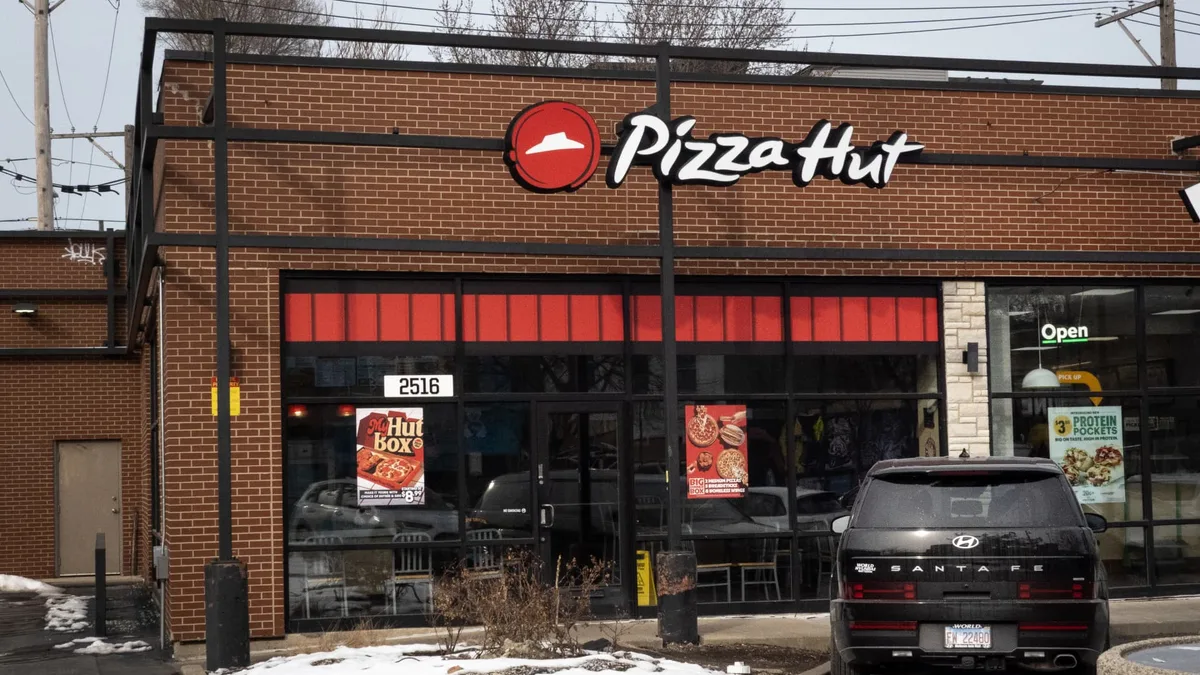
Yum Brands announced on June 16 that it will sell its Pizza Hut chain for approximately $2.7 billion in a two-part deal involving Yum China and private equity firm LongRange Capital [1, 2, 3].
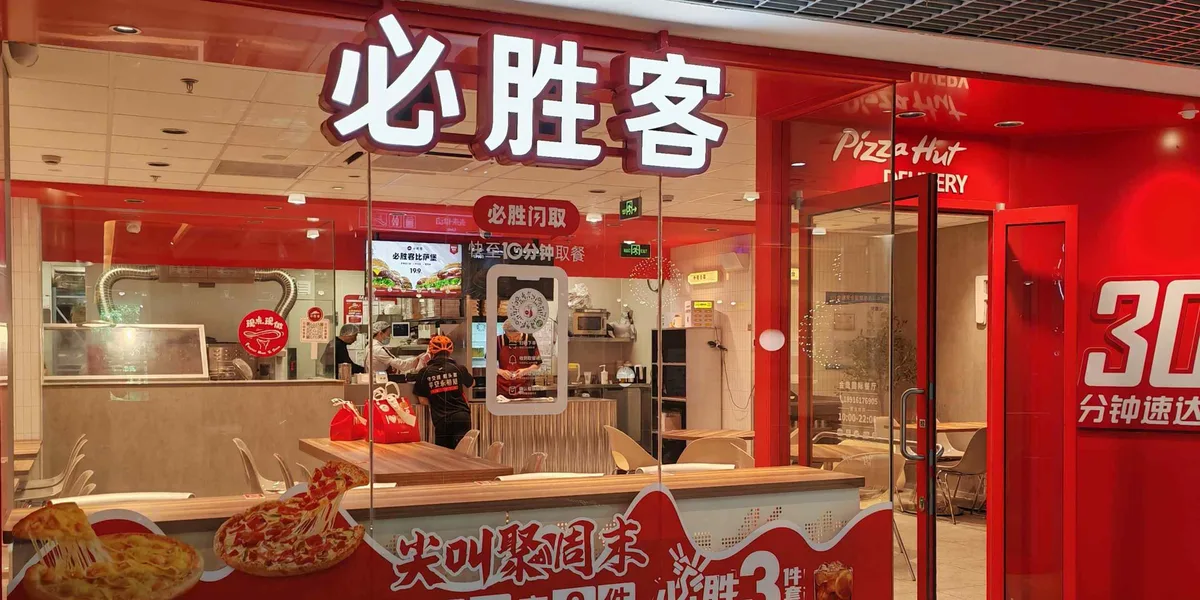
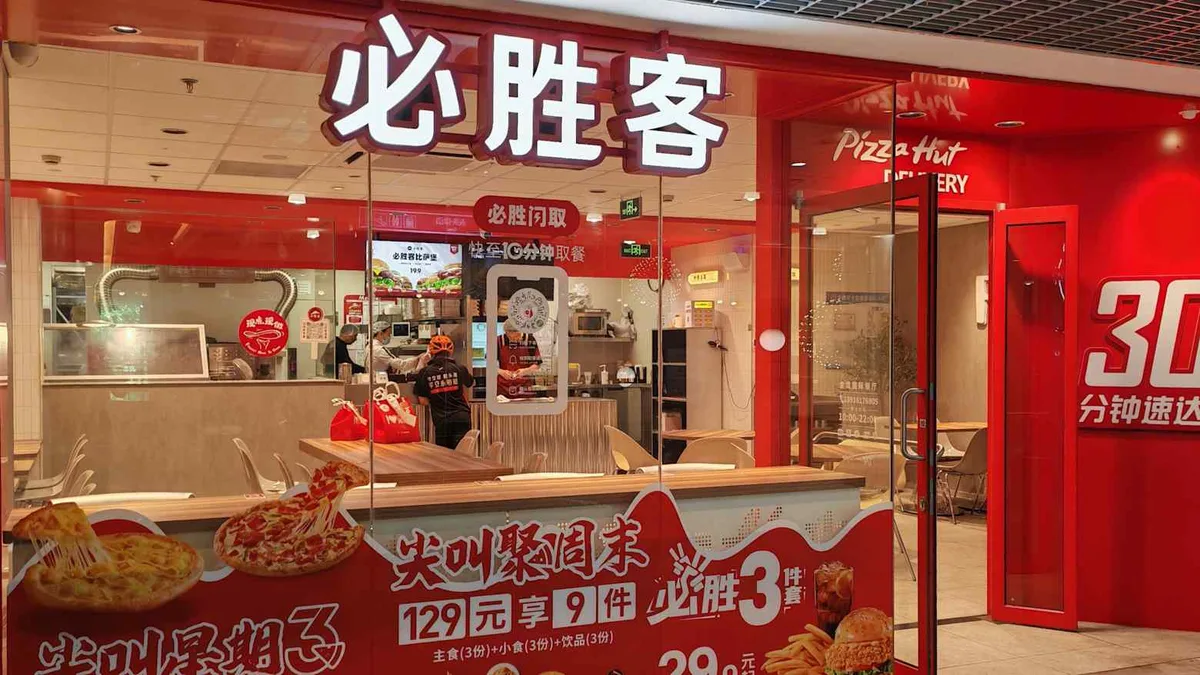
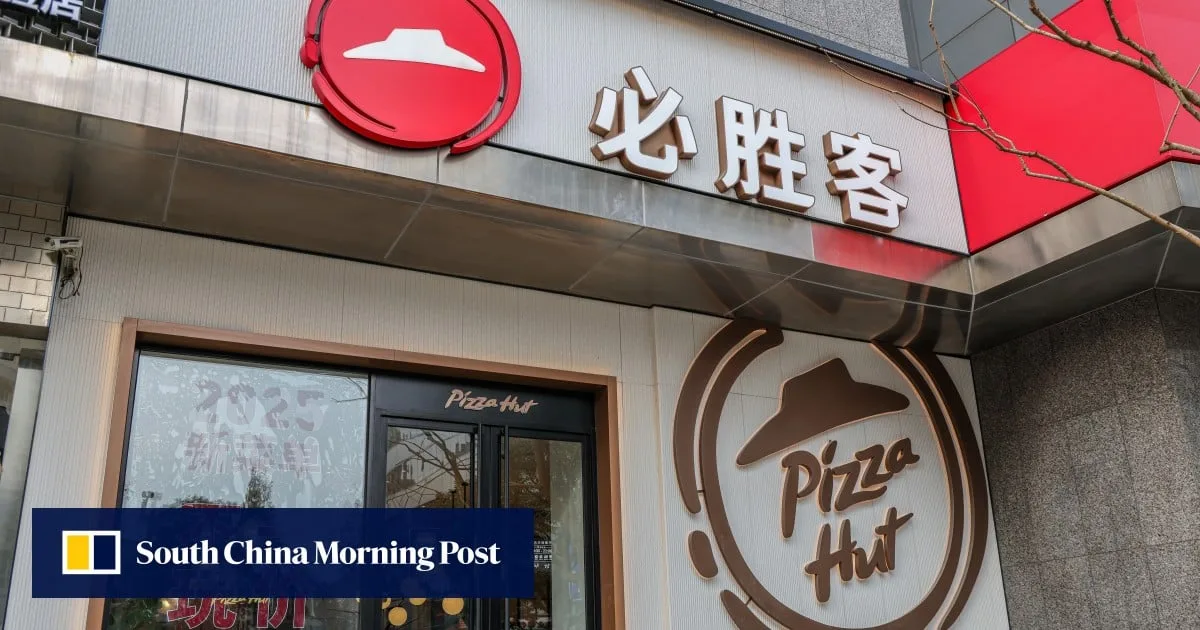
Yum China will acquire Pizza Hut’s mainland China operations for about $1.2 billion and transition from the brand’s exclusive licensee to its outright owner in the region. Yum China CEO Joey Wat called the move a “transformative milestone,” expressing commitment to Pizza Hut’s growth in China [3].
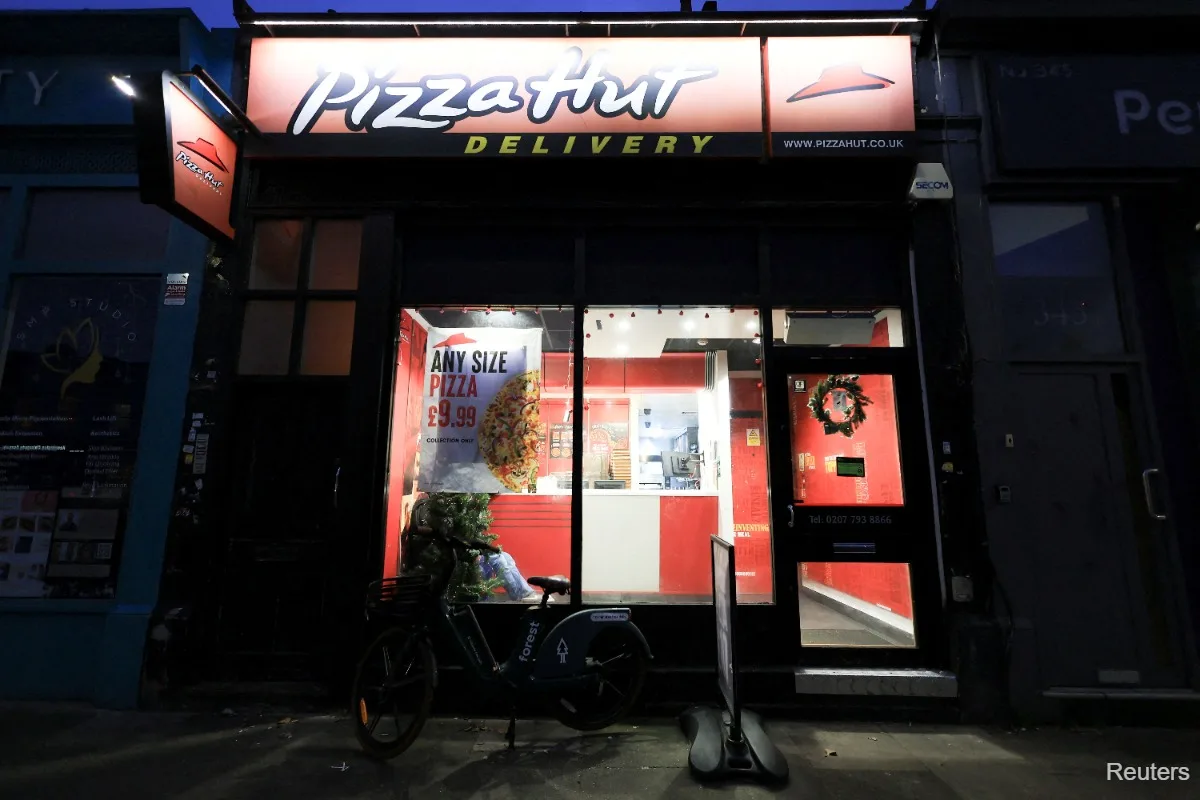
The global Pizza Hut business outside mainland China, which includes over 15,500 restaurants across more than 100 countries, will be sold to LongRange Capital for roughly $1.5 billion [4]. LongRange positions itself as a hands-on operator aiming to boost Pizza Hut’s franchise system and growth [5].
Yum Brands expects net proceeds of about $2.3 billion after taxes, fees, and closing adjustments, excluding a potential $75 million earn-out payable by 2030 from LongRange [6, 5]. One-time transaction-related expenses are forecasted at $85 million in 2026 [6, 5].
The deals are expected to close in the third quarter of 2026, pending customary closing conditions and regulatory approvals [3, 4, 7].
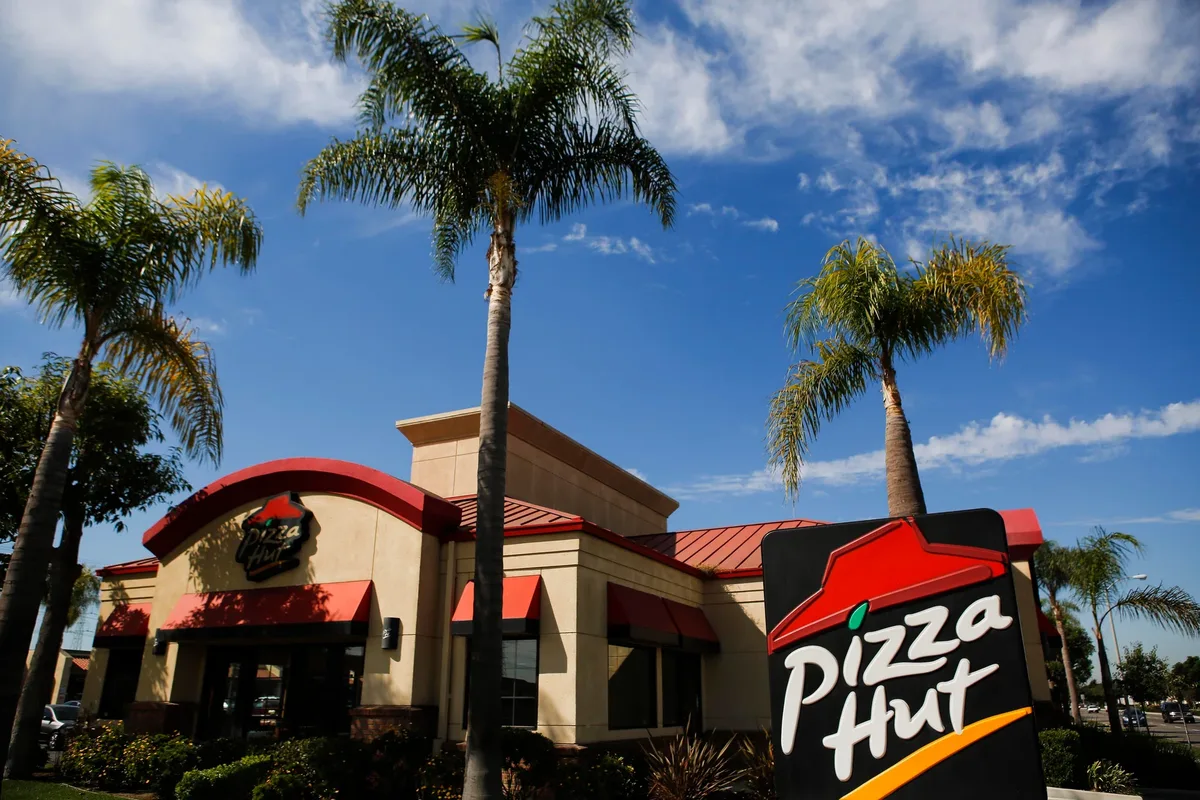
Pizza Hut has faced sales challenges in recent years, especially in the U.S., where it has seen 10 straight quarters of comparable store sales declines. Its share of Yum Brands' revenue has steadily fallen from over 18% in 2019 to about 12% in 2025 [6, 8, 4].
Yum Brands CEO Chris Turner said the sales will allow the company to focus more on other brands like KFC and Taco Bell, while leaving Pizza Hut “well positioned for future growth under LongRange and Yum China.” He previously noted Pizza Hut required “additional action” best achieved outside Yum [5, 7].
Yum China, spun off from Yum Brands and backed by Primavera Capital and Ant Group, operates KFC and Pizza Hut among other brands in China [3, 4]. Taking full ownership of Pizza Hut’s China business ends licensing fees paid to Yum Brands [3, 9, 4].
Pizza Hut was founded in 1958, acquired by PepsiCo in 1977, and became part of Yum Brands after its 1997 spin-off [6, 7].
The closing in Q3 2026 marks a major change for the nearly seven-decade-old global pizza chain as it shifts to new ownership structures in key markets [3, 4, 7].