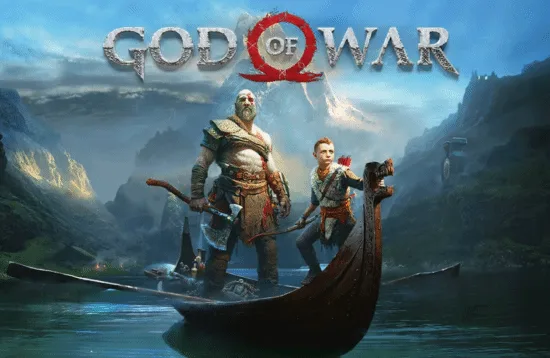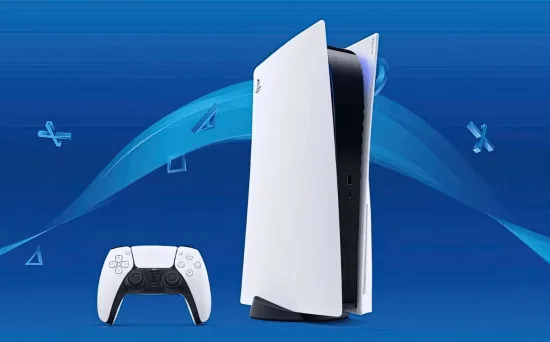
Sony announced a reversal of its strategy to port singleplayer PlayStation exclusive games to PC, opting instead to focus on PS5 exclusives and new releases from its studios. The decision was confirmed on June 14 by PlayStation Studios head Hermen Hulst, sparking controversy among players familiar with the company's earlier approach [1].
This shift effectively marks Sony's withdrawal from the large and lucrative Chinese PC gaming market. China accounted for 42% of Death Stranding 2's PC sales, making it the game's largest market on Steam, while also being key for the upcoming Stellar Blade title [2, 3, 4]. Steam's user language data shows Simplified Chinese users make up nearly 22% of the platform’s audience, second only to English, suggesting over 30 million independent Steam players in China after adjusting for shared internet café accounts [2, 3].
By abandoning PC ports, Sony gives up a significant promotional channel in the gaming ecosystem. PC releases generate not only direct sales but also word-of-mouth exposure, streaming buzz, and community engagement. Market data from Alinea Insights and others indicates that PC ports of Sony exclusives like Death Stranding 2 and Stellar Blade have not cannibalized PS5 game sales. In fact, these ports have helped boost console sales and player engagement [2, 5, 3].
Despite this, Sony sees Valve's PC ecosystem as a stronger competitor to PlayStation than Xbox, possibly influencing the decision to refocus on PS5 exclusives [2, 5, 3]. The limited PlayStation 5 adoption in China further reduces Sony's incentives to target PC gamers in the country, where PC and mobile dominate gaming [2, 5, 4].
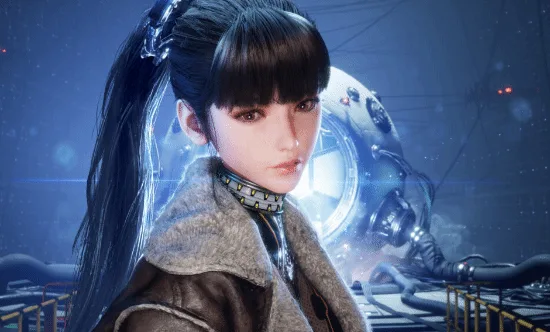
Shift Up, the developer behind Stellar Blade, confirmed it will no longer publish future sequels with Sony. Instead, the studio aims for a global release strategy that focuses heavily on China as a core audience. In an earnings Q&A, Shift Up stated it is "formulating an optimal go-to-market strategy designed to maximize sales and reach a broad global audience from day one" [3].
The move has sparked debate among industry observers and players. Some argue that re-emphasizing PlayStation exclusivity protects Sony’s console ecosystem and competitive edge [5, 6]. Others caution that abandoning PC ports risks losing critical market share, particularly in China, and weakens Sony’s reach in the global gaming community [2, 3, 4].
Sony is expected to focus on developing new PS5 exclusives and content, with no announced plans to resume PC ports in the near term.