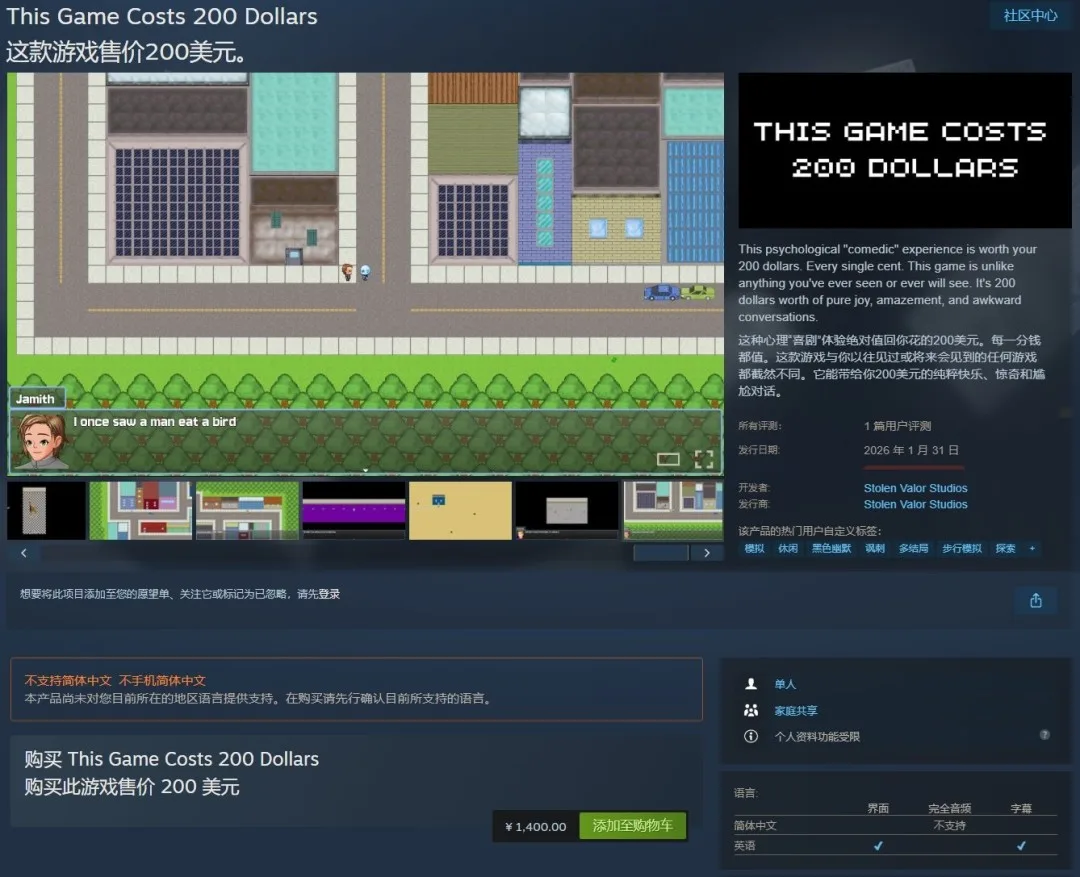
An 18-year-old developer named Michael Major released "This Game Costs 200 Dollars" on Steam, priced at the platform's $200 maximum limit [1, 2, 3, 4]. The game quickly sold roughly 6,717 copies, generating between $1.3 million and $1.4 million in gross revenue before refunds [1, 2, 3, 4].
Despite the strong sales figures, nearly all purchases—about 99.9%—were refunded, with most refund requests coming from buyers in China who did not play the game [1, 2, 3, 4]. As a result, Major only received approximately $2,000 (around 6.6 million TWD) in actual revenue after refunds processed [1, 2, 4].
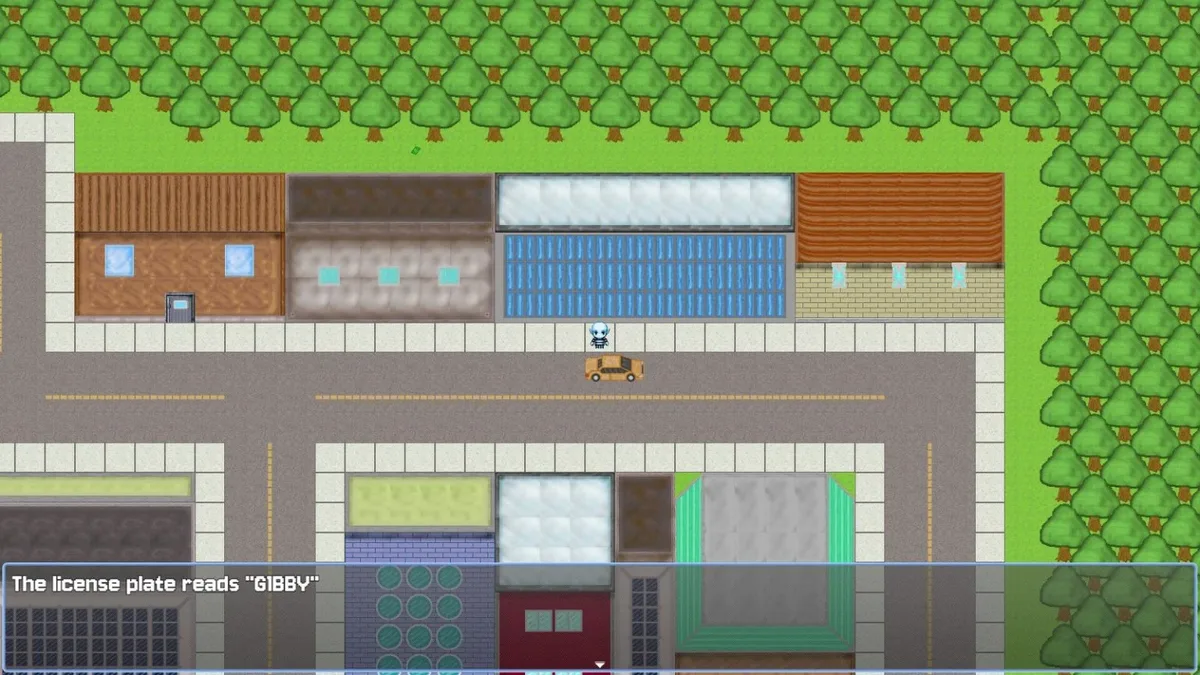
Major described the game as a low-content, asset-flip experiment meant as an "ultimate scam" and psychological test. Its store description claims it aims to convince players that the game is worth $200 despite minimal gameplay [1, 2, 4]. Major said he was shocked and said he "almost died" upon seeing the initial $1.3 million in revenue before the refunds took effect [1, 2].
Some observers suspect the pattern of expensive purchases followed by mass refunds could be linked to money laundering, although Major and sources caution this is unconfirmed speculation [1, 2, 4]. Steam allows pricing up to $200, though some titles have been priced higher as jokes or niche products [2].
"This Game Costs 200 Dollars" is a sequel to Major's earlier release, "This Game Costs 10 Dollars," which launched earlier in 2026 [1, 2]. The game currently holds only one user review from a player who spent 0.6 hours with it and humorously recommended it despite criticizing its quality [1, 2, 3, 4].
Sales peaked suddenly in August 2026, with the bulk of purchases and refunds occurring during that month [1, 3, 4]. Most refunds wiped out nearly all the game's gross earnings, reducing Major's take to a fraction of the sales total [1, 2, 3, 4].