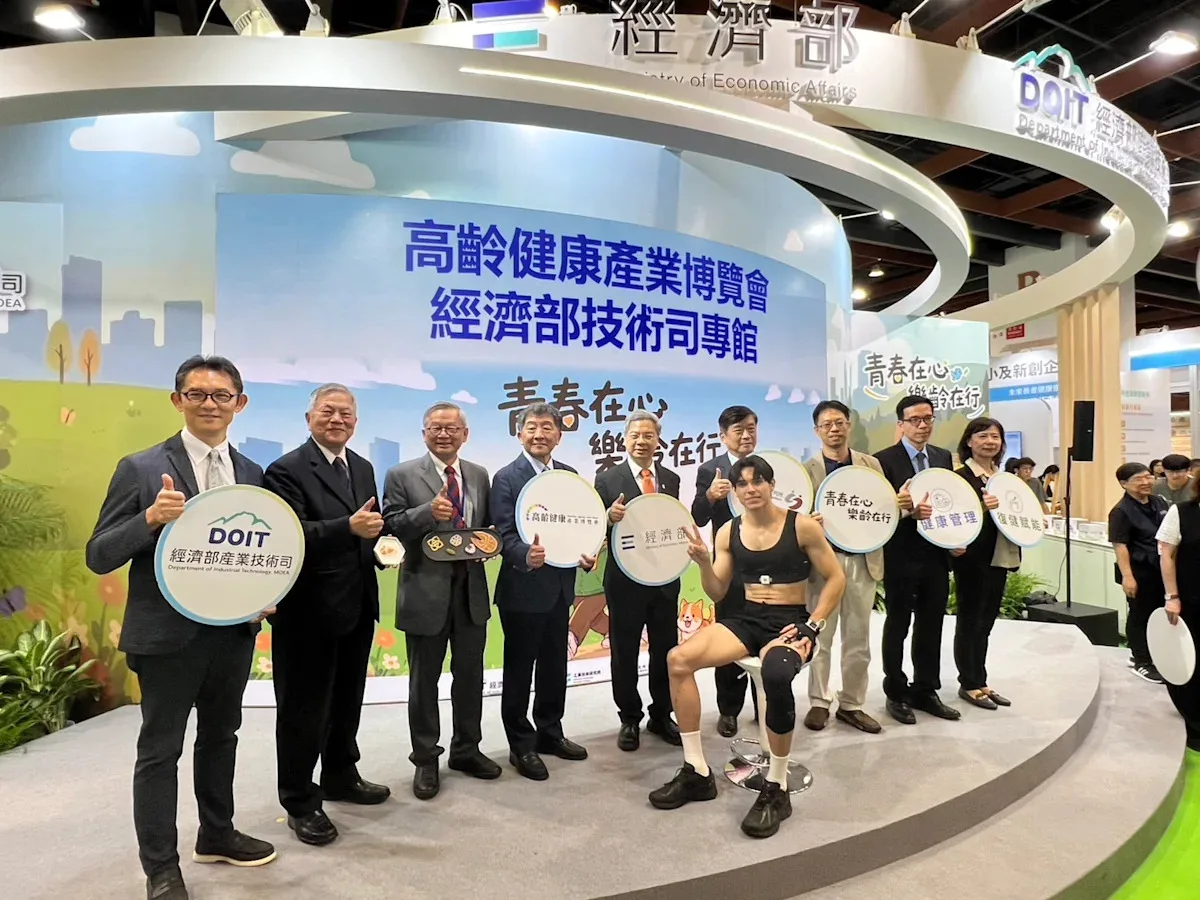
The 3rd Senior Health Industry Expo opened on August 7, 2026, at Taipei World Trade Center Hall 1, with government officials including Taiwan President and Health Ministry representatives attending the launch [1, 2, 3, 4, 5, 6]. The event ran through August 9 and showcased a wide array of senior care innovations from Taiwanese cities, medical institutions, and corporations [7, 8, 9, 10, 11, 12].
Kaohsiung City presented its “Kaohsiung Pavilion,” which integrated AI smart care, big data, and community resources across health, social support, exercise, lifelong learning, friendly transport, safe housing, tourism, and senior employment. Mayor Chen Chi-mai said, “Taiwan has officially entered a super-aged society. Senior policies no longer limit to healthcare but also include housing, transport, learning, employment, tourism, and social participation” [7].
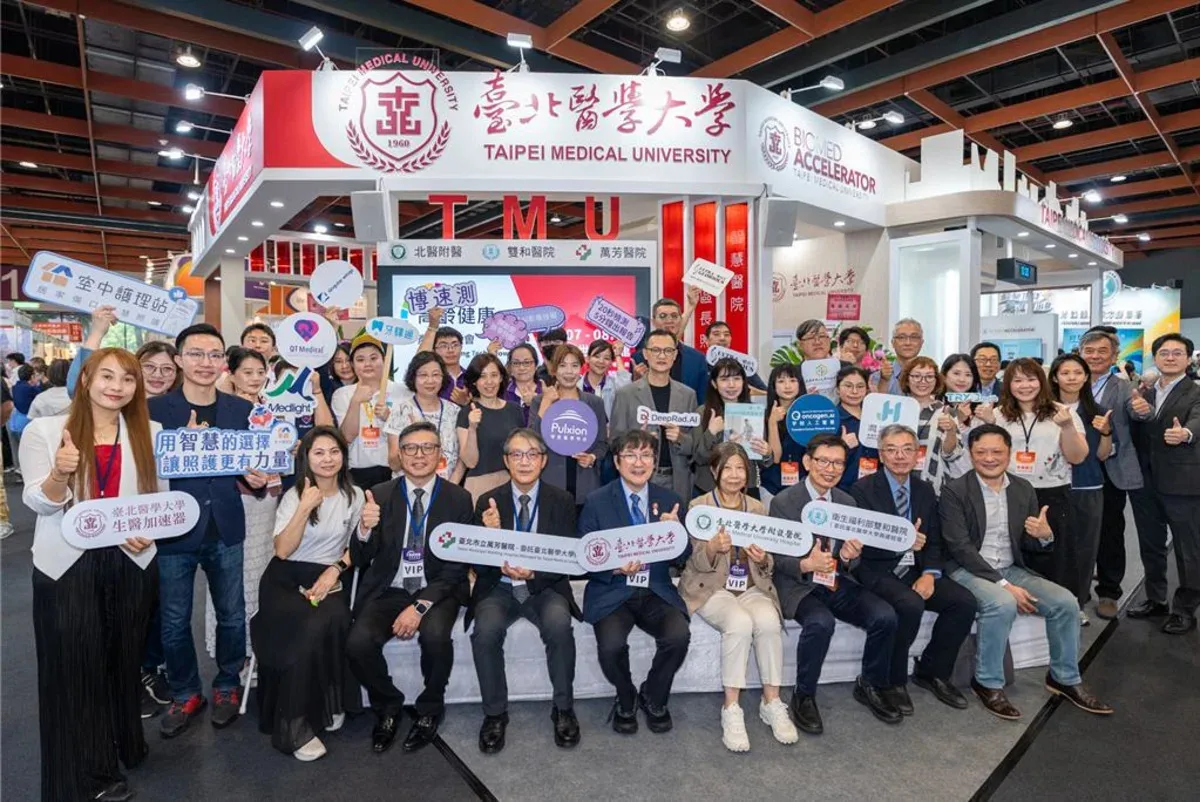
New Taipei City government showcased its “Healthy Inclusiveness, Happy Aging New Taipei” theme, featuring dementia prevention, smart care systems, adaptive devices, silver-haired e-sports, tourism, and career exploration. Deputy Mayor Liu He-ran noted New Taipei has over 820,000 residents aged 65+, with 208 long-term care and nursing homes serving more than 10,000 seniors at over 91% occupancy, leading the region. He pledged continued integration of technology and community services to enrich senior care [9, 10]. The “New Taipei EasyGo” assistive device was selected as a top 10 senior-friendly technology at the Expo [9, 10].
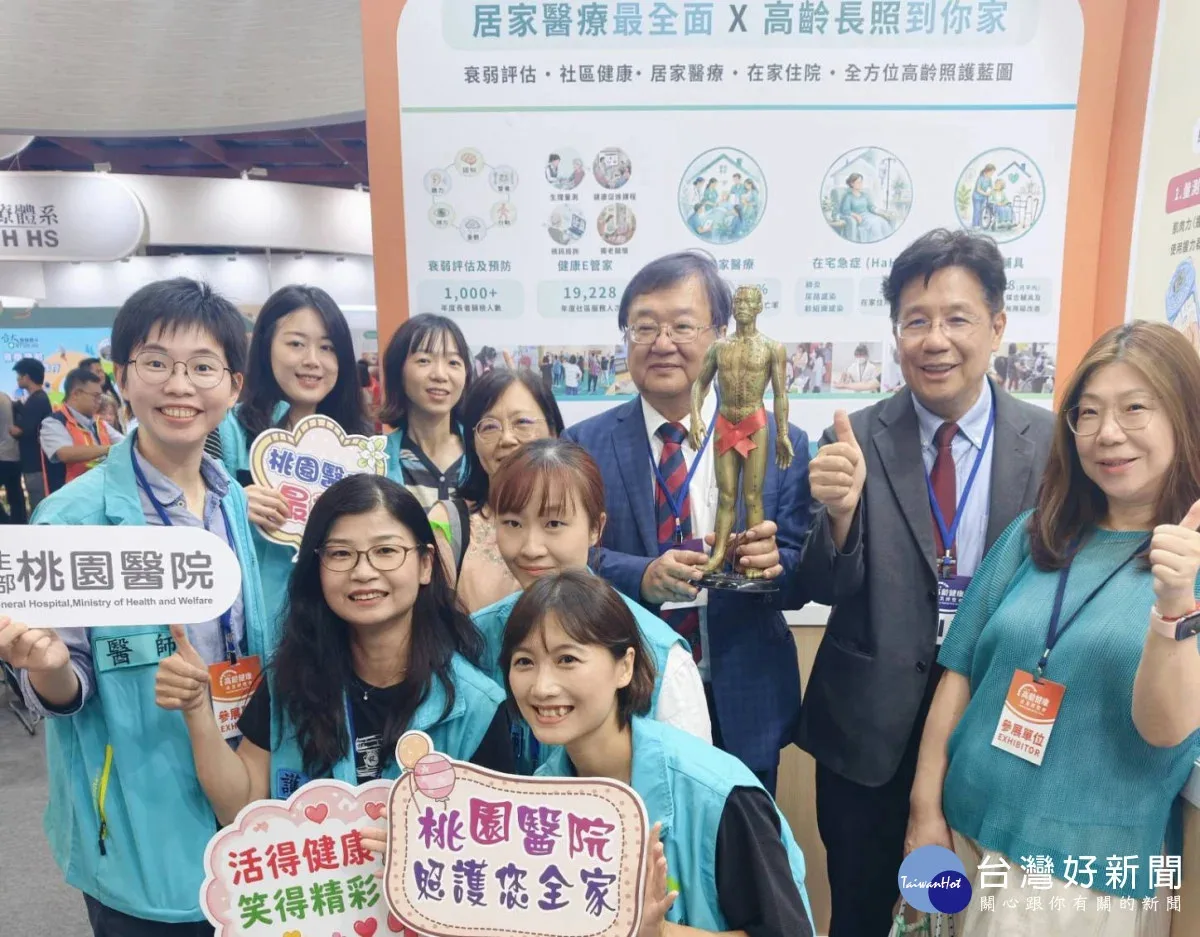
The Taiwan Ministry of Health and Welfare’s Taoyuan Hospital displayed integrated medical and long-term care solutions, including in-home medical care, chronic disease management, traditional Chinese medicine, and smart assistive devices. Director Lin Jiaxuan explained that “in-home medical care does not replace the hospital but extends suitable medical services to the familiar home environment for seniors with mobility issues and complex health conditions, enabling continuous and complete care” [1].
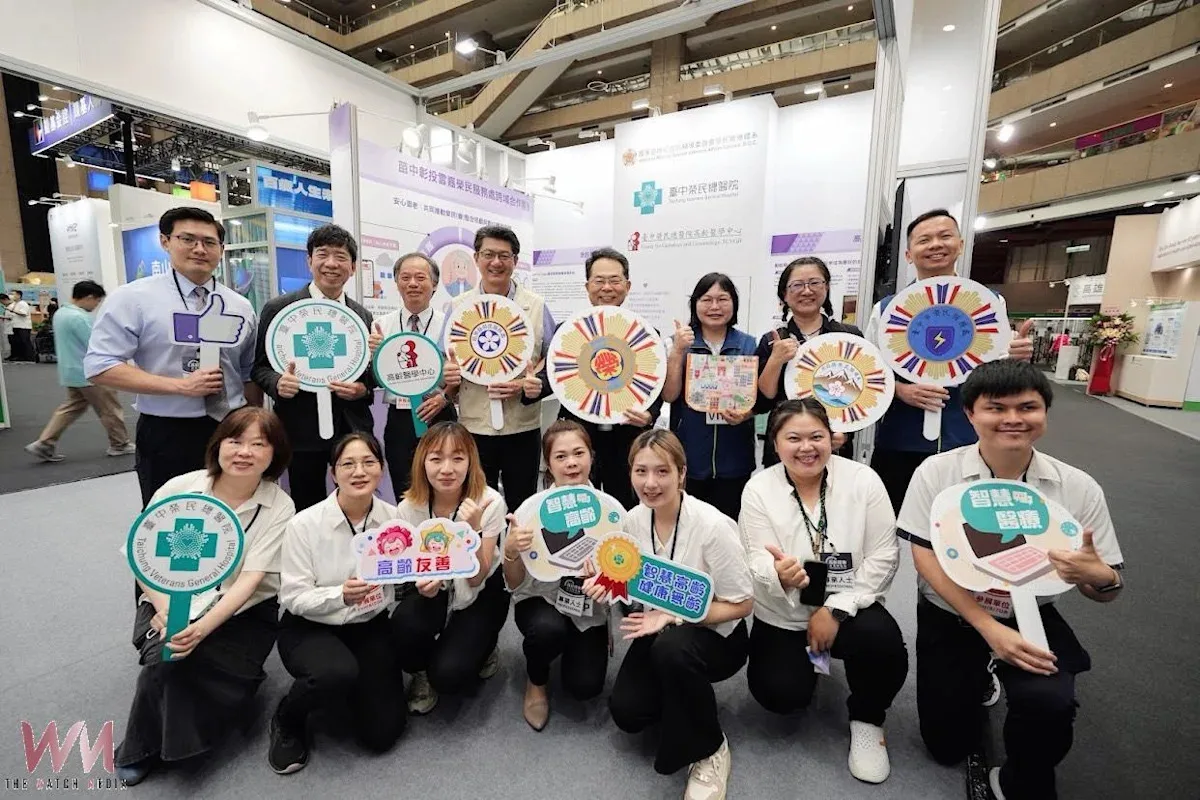
China Medical University and Taichung City Government partnered on an “Age-friendly Livable City Pavilion” focused on medical advances and care pathways for dementia, degenerative diseases, precision medicine, and cancer therapy. Chairman Cai Zhang-hai said elderly health requires integrated promotion, precise prevention, emergency care, function maintenance, and long-term care with innovation and community collaboration [4]. Similarly, Taichung Veterans General Hospital exhibited integrated care platforms including AI chest pain triage and remote home monitoring to support in-community aging, with Veterans Affairs Director Yan Defa stressing the importance of smart technology and cross-domain cooperation to emphasize prevention and aging in place [5, 6].
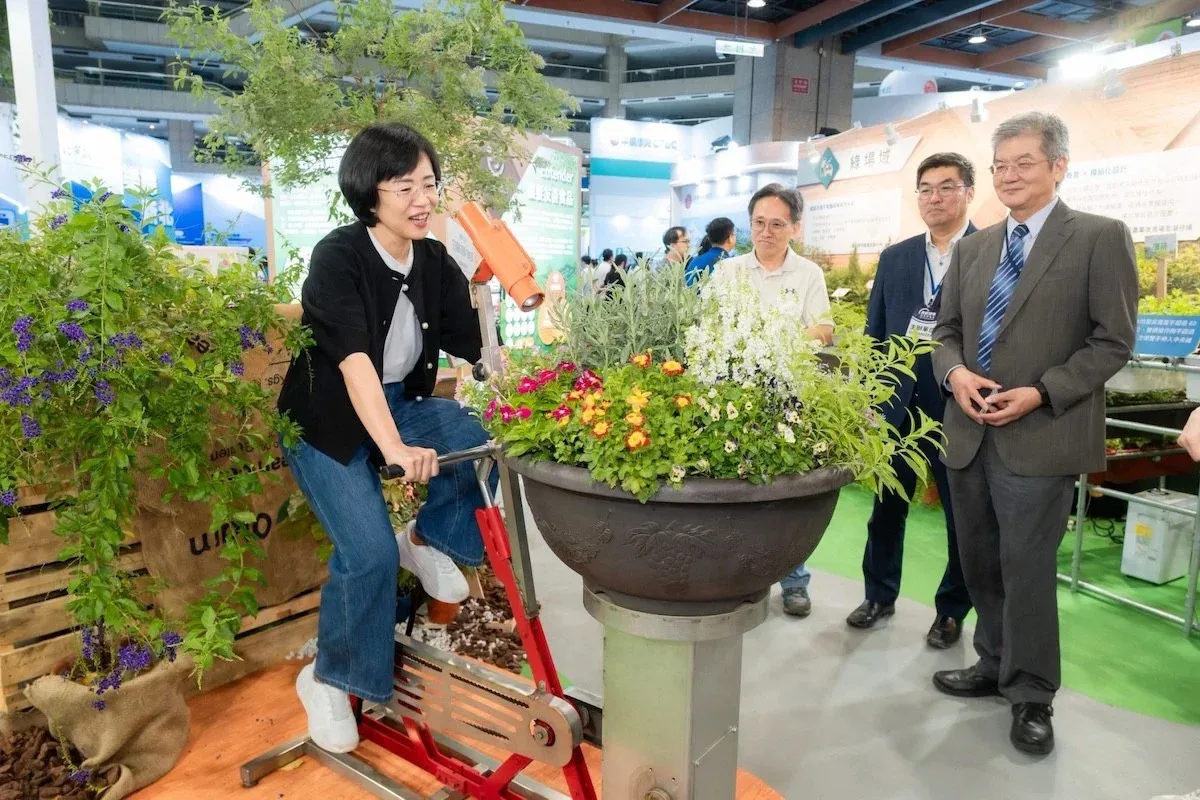
The Taiwan Tzu Chi Medical Foundation demonstrated a “Five Strengths” AI healthcare and holistic care approach across hospital branches. Minister Shih Chong-liang said true health “is beyond curing diseases but also balancing mental and life quality” [2]. The Agriculture Ministry showcased “green care” programs expanding agriculture’s role into senior care with green spaces, diet, companionship, and therapy targeting rural elderly, as Minister Chen Jun-ji explained [3].
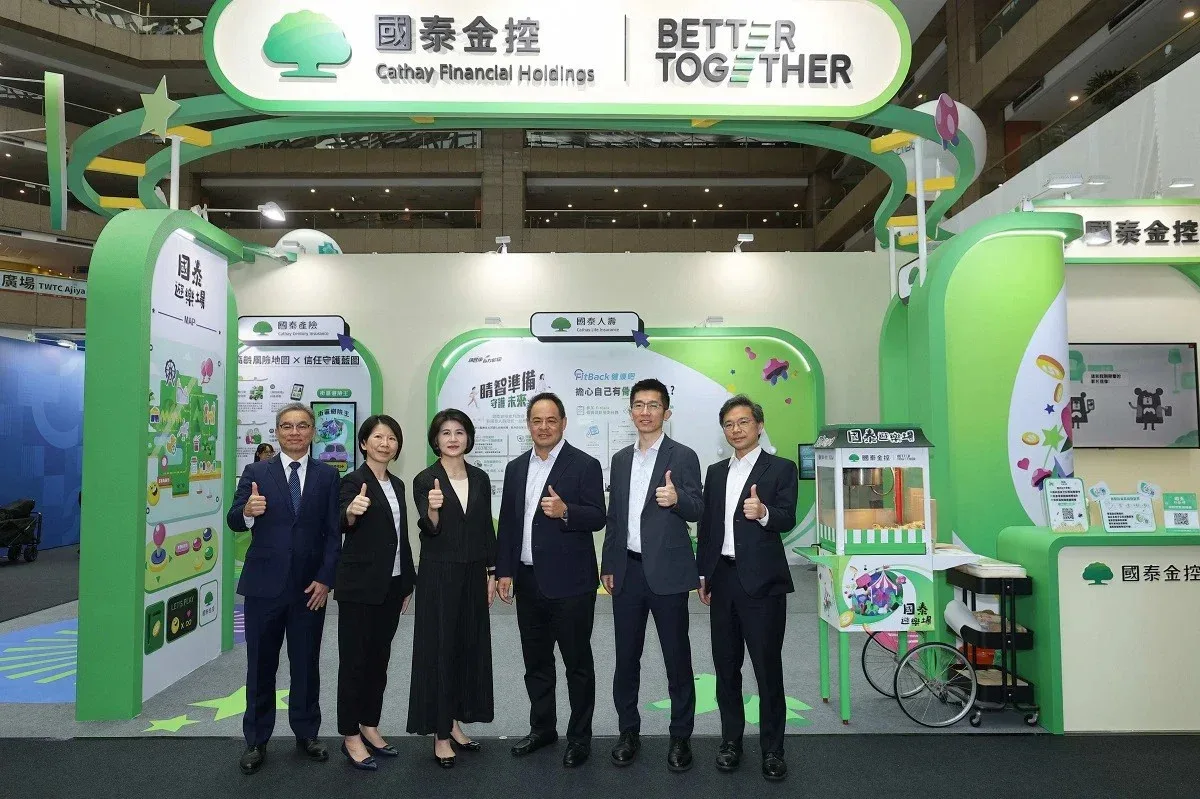
Taiwan’s Sports Administration hosted a National Sports Pavilion promoting exercise for seniors through assessments, adaptive sports, and interactive games. Director-General Fang Ruiwen encouraged attendees to commit to regular exercise to maintain quality of life while aging [8, 12]. Meanwhile, Cathay Financial Holdings ran an interactive “Cathay Playground” pavilion educating visitors on healthy aging, health management, traffic safety, and fraud prevention through engaging activities. A company representative said the goal is to help visitors prepare for “a safe and joyful second life” [11]. Cathay’s FitBack Health Platform has over 2 million users, with more than 46,000 beneficiaries in trust services as of mid-2026 [11].
Speeches on opening day highlighted the Expo’s focus on creating seamless, continuous care models from hospital to home. The event gathered multi-sector participants including government agencies, hospitals, city governments, nonprofits, and private companies to advance innovations meeting Taiwan’s aging society challenges [1, 5, 6]. The Expo concluded on August 9.
The event marked a significant gathering focused on practical technologies and social service integration across cities, pointing toward continued innovation in Taiwan’s senior health and care sectors.