Tropical Storm Mekkhala is impacting southern and western Japan, bringing strong winds with gusts up to 144 km/h and heavy rain to Okinawa, Kyushu, Shikoku, and Kansai regions as of June 30, 2026 [1, 2, 3, 4, 5, 6]. Authorities have canceled more than 120 flights combined at Japan Airlines and All Nippon Airways, mainly around Okinawa and Kagoshima, due to storm disruptions [1, 4].
Kyoto and Osaka areas face evacuation advisories for thousands of residents because of flood and landslide risks. Osaka has reported road collapses, flooding, and infrastructure damage. Local governments evacuated approximately 520,000 people in Osaka and Kyoto, while over 730,000 residents were advised to evacuate in Kyushu amid landslides and floods as the storms coincide with a stalled rainy front causing widespread heavy rain in western Japan [1, 3, 4, 5]. The Japanese Meteorological Agency warns of ongoing flood and landslide risks due to the combined effects of typhoons and the rainy season front [1, 2, 4, 5].
Tropical Storm Higos is moving northward in the Pacific and may interact with Mekkhala through the Fujiwhara effect, complicating forecast tracks and intensities [1, 2, 4, 6]. The Singapore Embassy in Tokyo urged citizens in Japan to closely monitor weather updates and prepare for possible disruptions, citing risks of landslides, flooding, and transport delays [6].
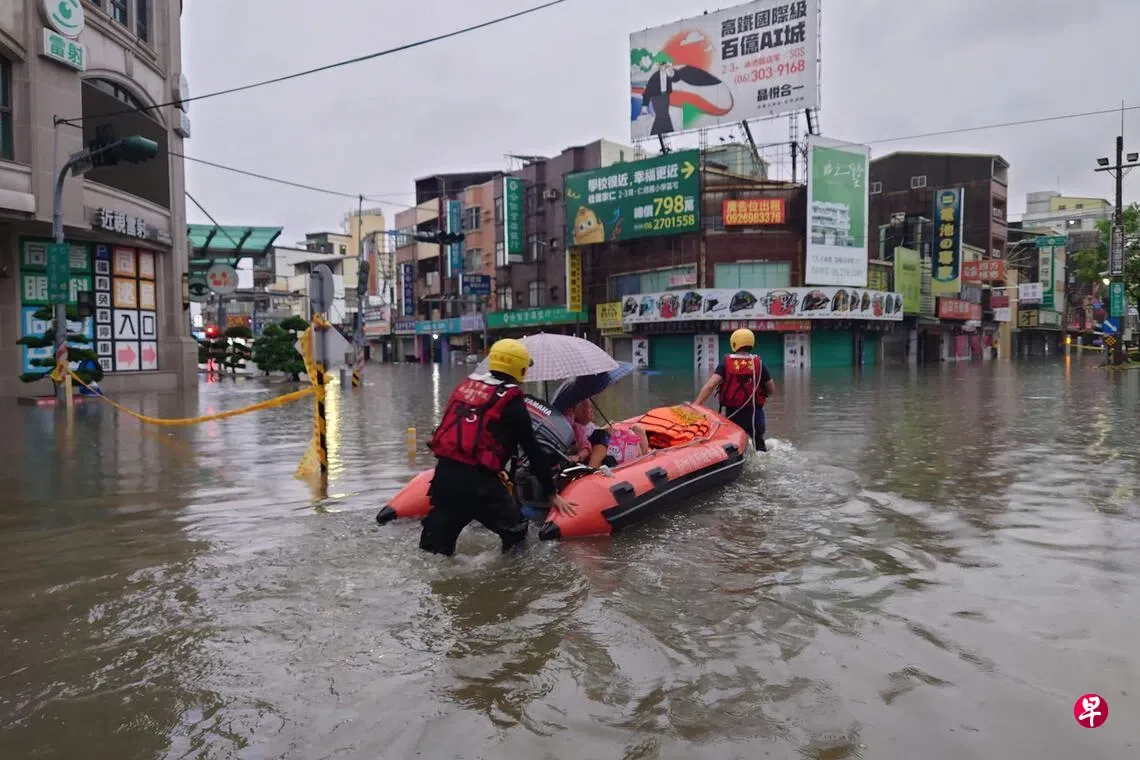
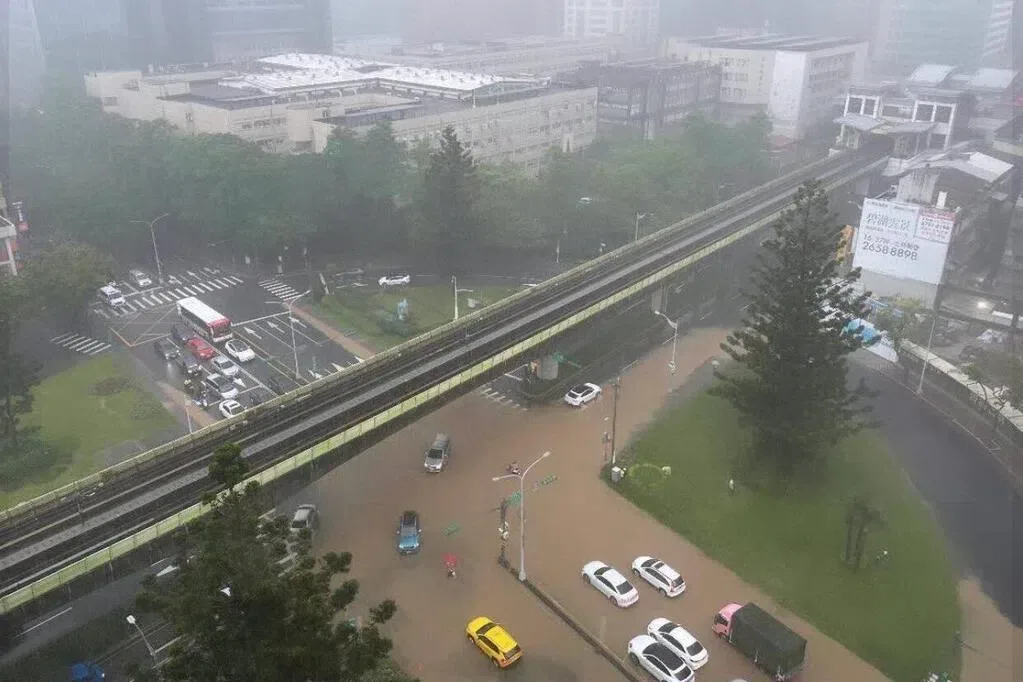
Taiwan has experienced heavy rains and flooding linked to the same storm system. As of June 26, officials reported 487 flood incidents with emergency response raised to the highest level. Power outages affected nearly 60,000 households, alongside water supply interruptions in some locations [7, 3]. Taipei's Neihu district recorded rainfall exceeding 250 mm amid persistent rainy fronts, with further storms expected [3].
Taiwan faced extreme heat during May and June 2026, with temperatures reaching 35-38°C and raising health concerns. Medical experts warned that rapid temperature changes, dehydration, and poor diet increase cardiovascular risks such as heart attacks and strokes during the summer heat. Cardiovascular surgeon Dr. Xu Honglong noted, "The biggest threat from heat to cardiovascular health comes from rapid temperature changes," explaining how shifts from air-conditioned indoors to hot outdoors cause blood vessel fluctuations and symptoms like dizziness and palpitations [8, 9, 10].
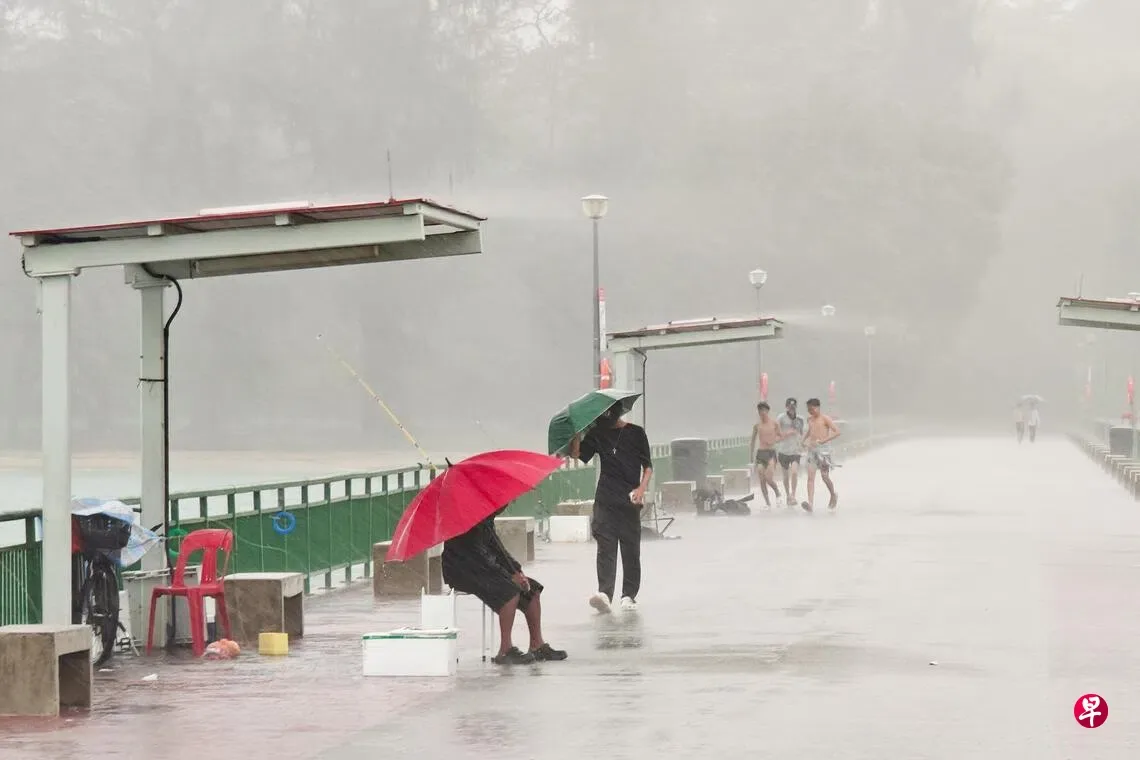
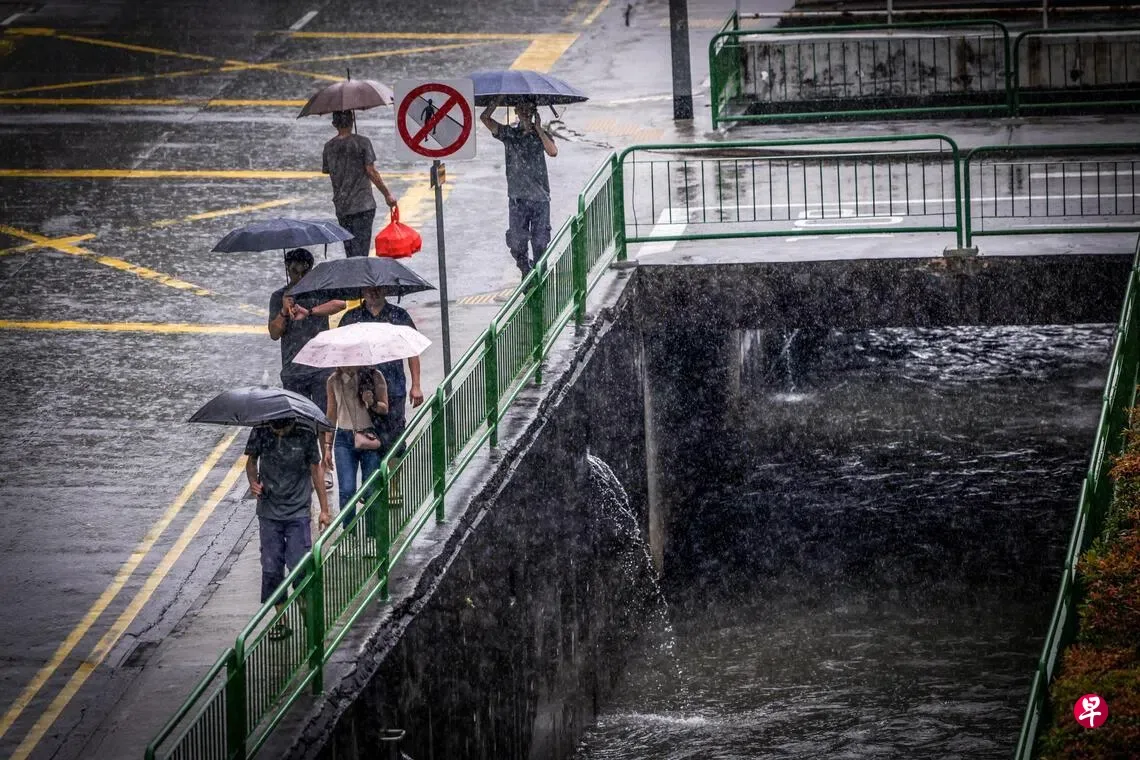
The prolonged rainy season and storm impacts come as meteorologists forecast a strong El Niño developing in the second half of 2026, likely bringing hotter, drier conditions to Southeast Asia [11, 2]. Singapore saw heavy rainfall in May, with a daily total of 114.6 mm recorded on May 8 in Tampines during thundershowers [11].
Officials in Japan and Taiwan continue to monitor weather systems closely amid flood threats and infrastructure damage. Flight disruptions and local evacuations are ongoing. Residents are urged to stay alert as storms remain active in the region [1, 7, 3, 4, 5].