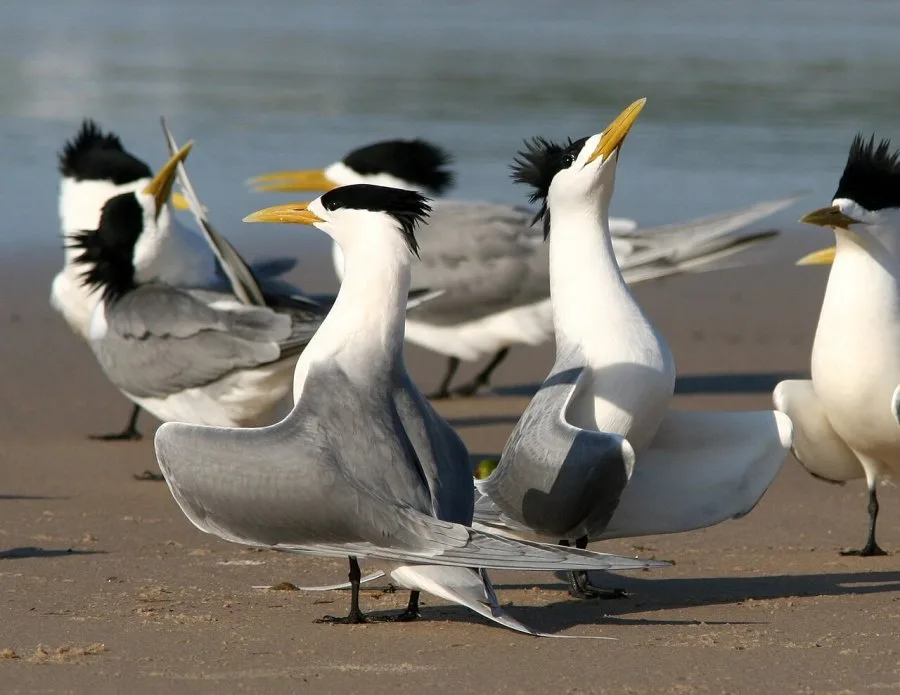
Australia confirmed on July 10 its first H5N1 bird flu case in a native seabird, a greater crested tern, found near the town of Robe in South Australia [1, 2, 3, 4, 5, 6]. This marked a new phase in the spread of the H5N1 virus on the Australian mainland, following earlier detections in migratory seabirds in June 2026, when Australia became the last continent to confirm such cases [1, 2, 3, 5, 6].
As of July 10, the total confirmed H5N1 cases in Australia reached 12, including infections in South Australia and Western Australia [1, 2, 4]. South Australian Agriculture Minister Julie Collins described the new seabird infection as "a concerning but not unexpected development," adding that scientists are investigating how the virus reached native seabirds. She said, "Our scientists are undertaking further work to establish the potential pathway that resulted in the Australian seabird's infection" [1].
Collins also noted there is still no evidence of mass deaths among wild birds or spread of the H5N1 virus to poultry or the broader agriculture sector in Australia. "There is still no evidence of mass mortalities or spread to the poultry or broader agriculture sector," she said [2]. Infectious diseases ecologist Hamish McCallum warned the virus reaching a local seabird was "very bad news" and likely signals more cases ahead [2]. The risk to human health remains low, according to Collins and health officials [4, 6]. She stated, "The risk to human health remains low despite this development" [6].
Australia initially detected the H5N1 virus in December 2025 on the sub-Antarctic Heard Island territory, where it reportedly killed around 13,000 seal pups [1, 2, 4]. The first mainland H5N1 cases in migratory seabirds were confirmed in June 2026 [1, 2, 3, 4, 5]. More recently, testing is underway on a dead young fur seal found in New South Wales; confirmation of infection would mark the first mammal case on the Australian mainland [2].
Authorities continue to monitor wild bird populations and investigate transmission pathways, focusing on the overlap between migratory and local coastal seabirds. Updated surveillance results and investigation findings are expected as research progresses.