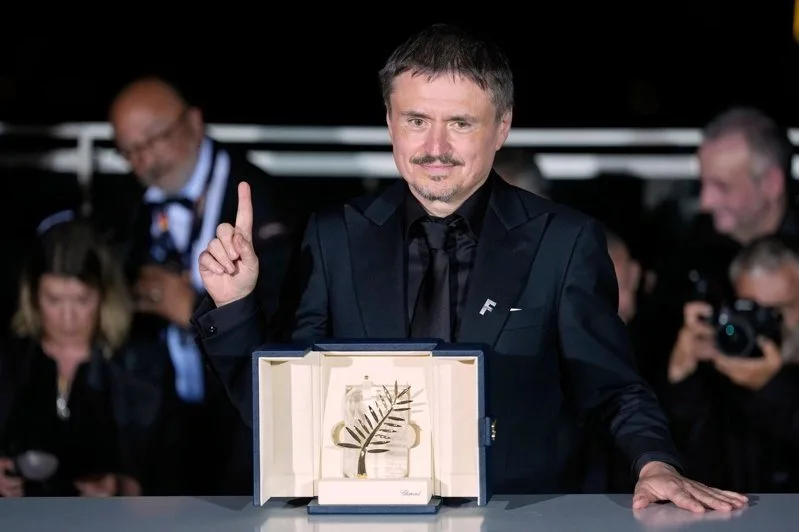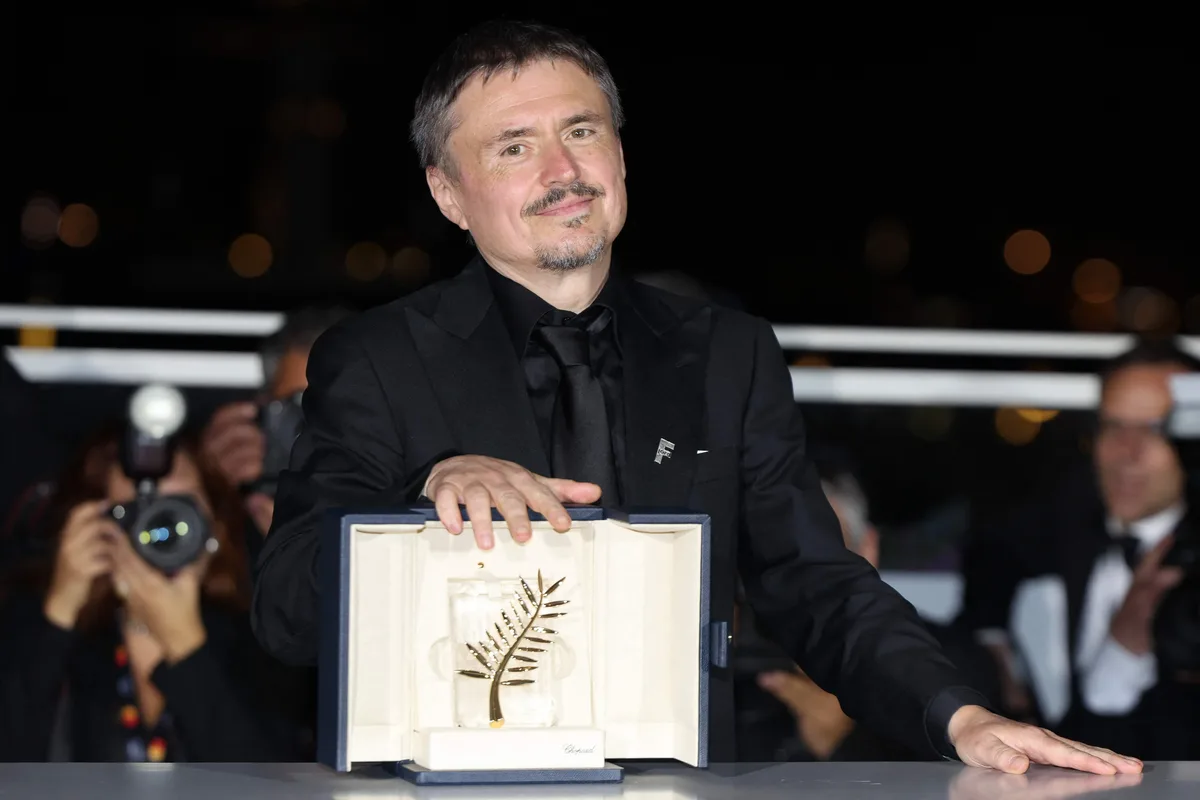
The 79th Cannes Film Festival concluded on May 23, 2026, with Romanian director Cristian Mungiu awarded the Palme d'Or for his film "Fjord"—his second Palme d'Or win after "4 Months, 3 Weeks and 2 Days" [1, 2, 3, 4]. The drama stars Sebastian Stan and Renate Reinsve as a Romanian-Norwegian couple confronting cultural and social challenges after returning to Norway [1, 2, 3].
The festival’s Grand Prix went to Russian exiled director Andrey Zvyagintsev for "Minotaur," a political thriller set against the Russia-Ukraine war backdrop. The film depicts a man forced to hand over workers for military conscription while facing personal turmoil [1, 2, 5, 6]. In his acceptance speech, Zvyagintsev called on Russian President Vladimir Putin to end the war, saying, "Millions on the frontlines only dream of one thing, to stop this slaughter... The whole world is waiting for this moment" [5, 6, 7]. He also expressed shame over Russia's actions in Ukraine [5].
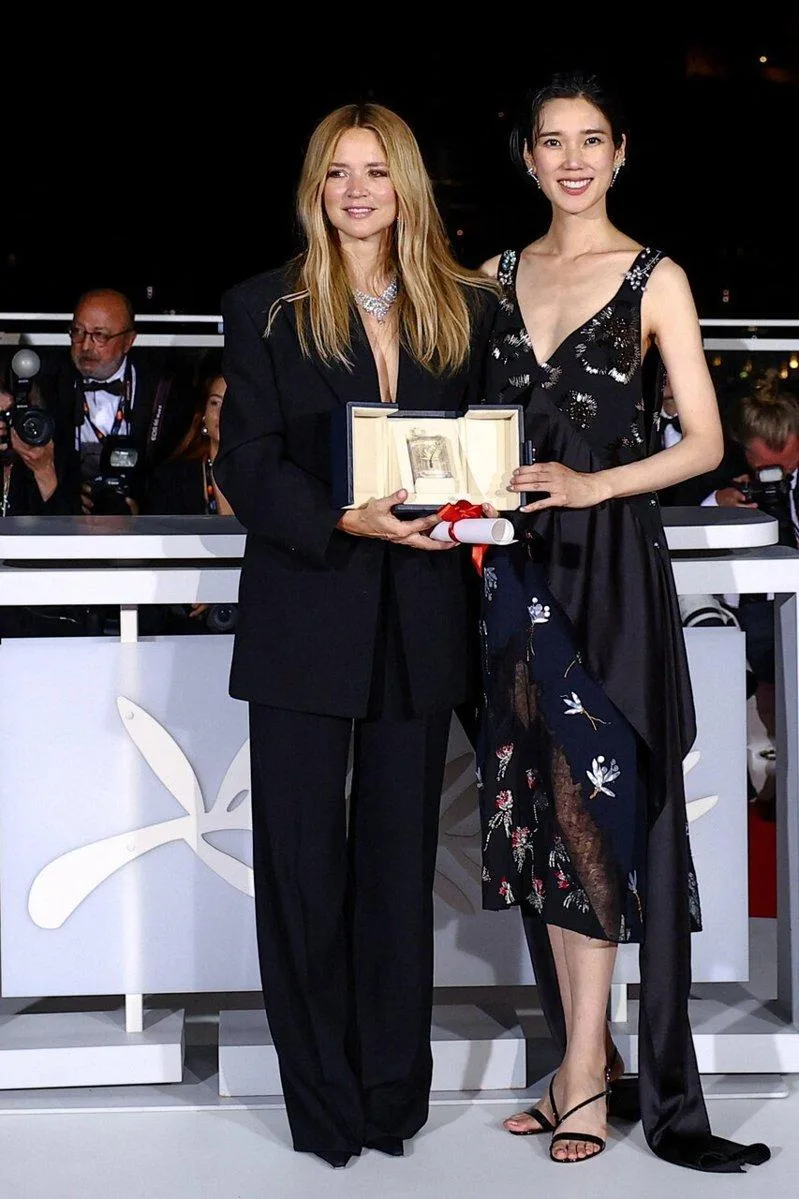
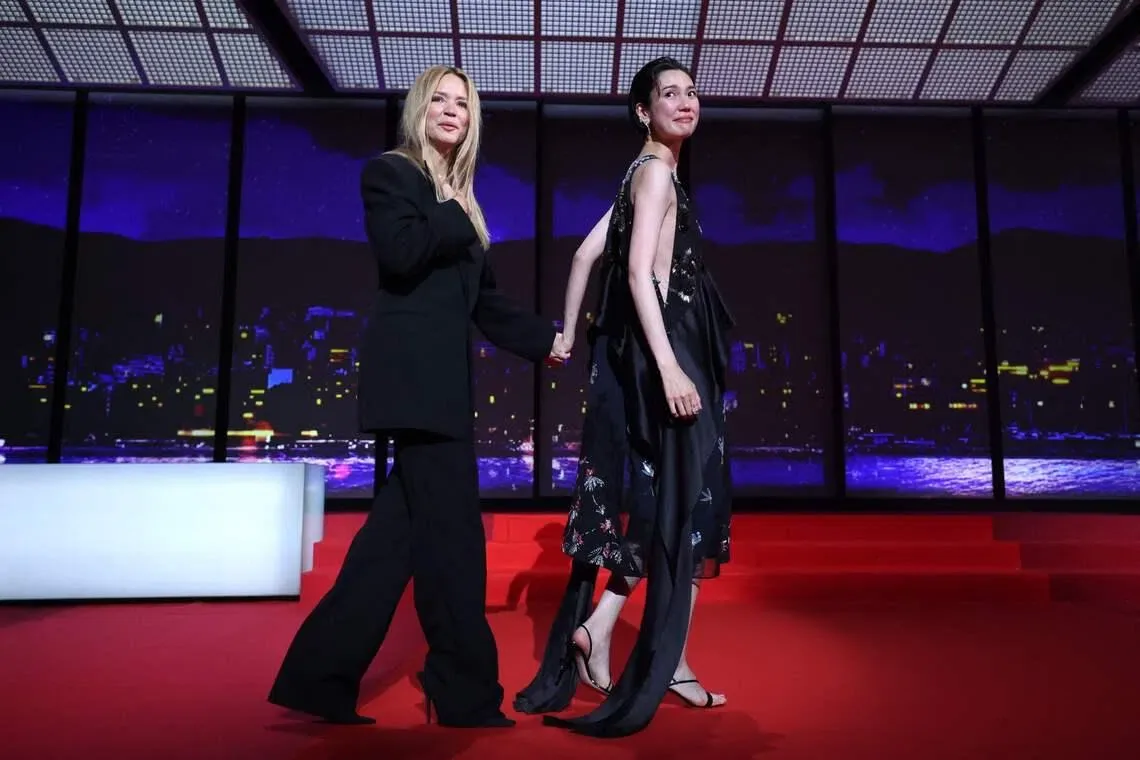
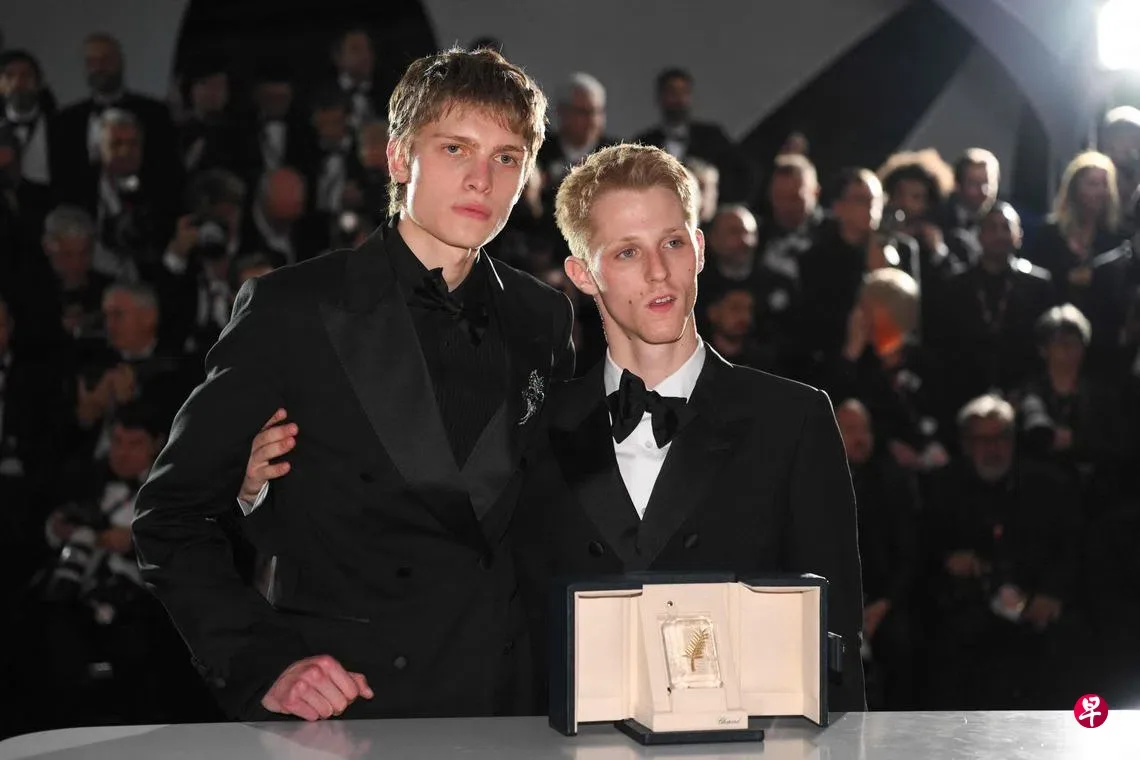
The Best Actor prize was shared by Valentin Campagne and Emmanuel Macchia for "Coward," a trench romance about a gay couple during World War I directed by Lukas Dhont [1, 2, 3, 4]. The Best Actress award was also split between Virginie Efira and Tao Okamoto for their roles in Japanese director Ryusuke Hamaguchi's "All of a Sudden" [1, 2, 3, 4].
The Best Director award went jointly to the duo Javier Calvo and Javier Ambrossi for "La Bola Negra" and Paweł Pawlikowski for "Fatherland" [1, 2, 3, 4]. Festival jury president Park Chan-wook praised both winners, stating, "I want to emphasize again, both filmmaking teams performed so excellently that we really could not say one was better than the other" [7].
Legendary American singer and actress Barbra Streisand, age 84, received the Honorary Palme d'Or for lifetime achievement but missed the ceremony due to a knee injury. She said, "In this crazy and turbulent world, where division seems to grow daily, it is deeply moving to see that film still has the magical power to bring people together. Long live cinema!" [1, 3]
The festival was chaired by South Korean director Park Chan-wook. The jury included actors Demi Moore, Stellan Skarsgård, and director Chloé Zhao [1, 2, 3, 8]. The event ran from May 12 to 23, presenting 22 films competing for the Palme d'Or, with fewer Hollywood blockbusters than usual [3, 8, 6].
Among other awards, Austrian director Sandra Wollner received the Un Certain Regard prize for "Everytime," a film about family grief and artistic uniqueness in the AI age [9]. Nepal’s "Elephants in the Fog" won the Un Certain Regard Jury Prize, and Central African actor Bradley Fiomona Dembeasset won Best Actor in that section [6]. The Caméra d’Or for best first film was awarded to Clémentine Dusabejambo for "Ben’Imana," addressing the Rwandan genocide [4, 7].
The festival opened on May 12 with the French romantic comedy "The Electric Kiss" [8]. On May 22, the Un Certain Regard awards were announced. On May 23, the main competition awards were presented, capping the event with broad recognition for films tackling war, culture, and identity [1, 2, 3, 5, 9, 4, 10, 7, 11].