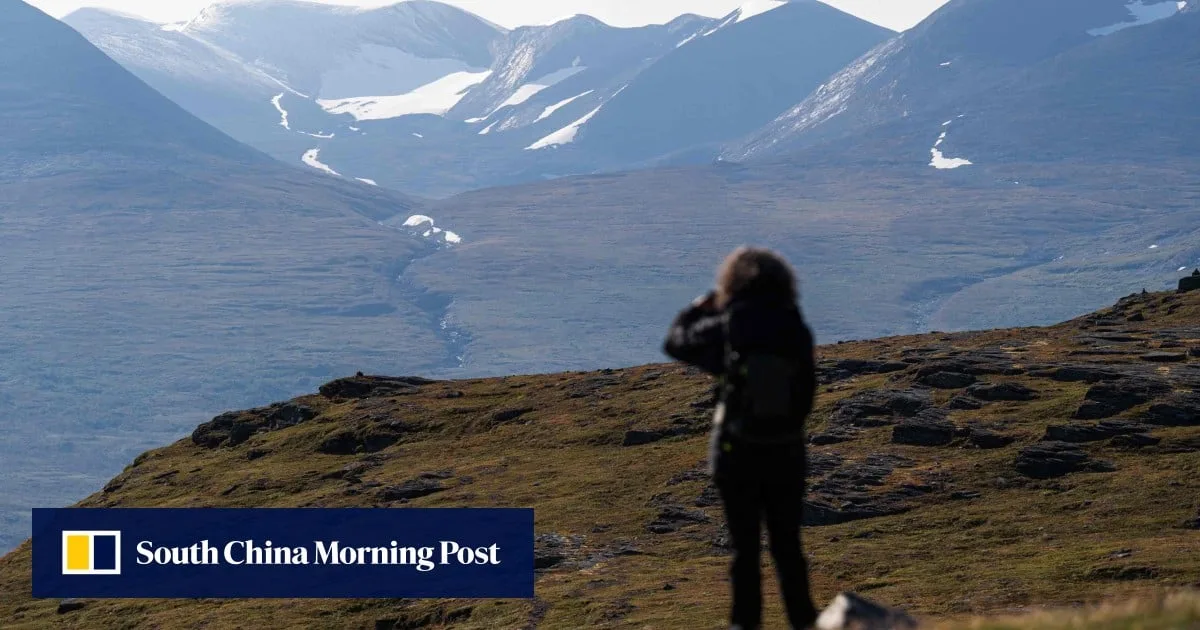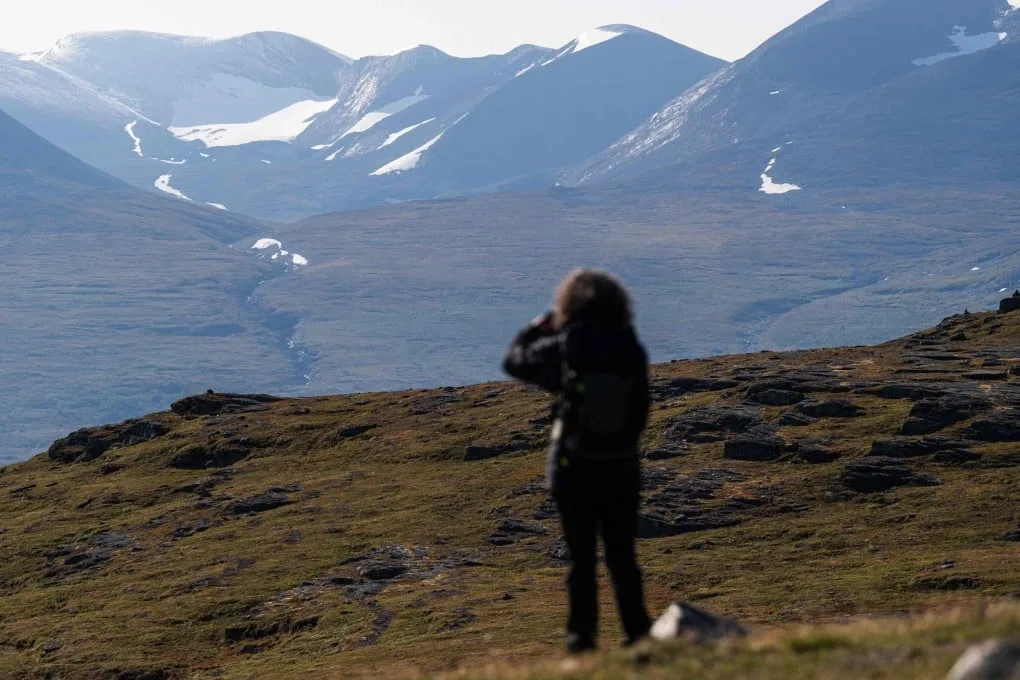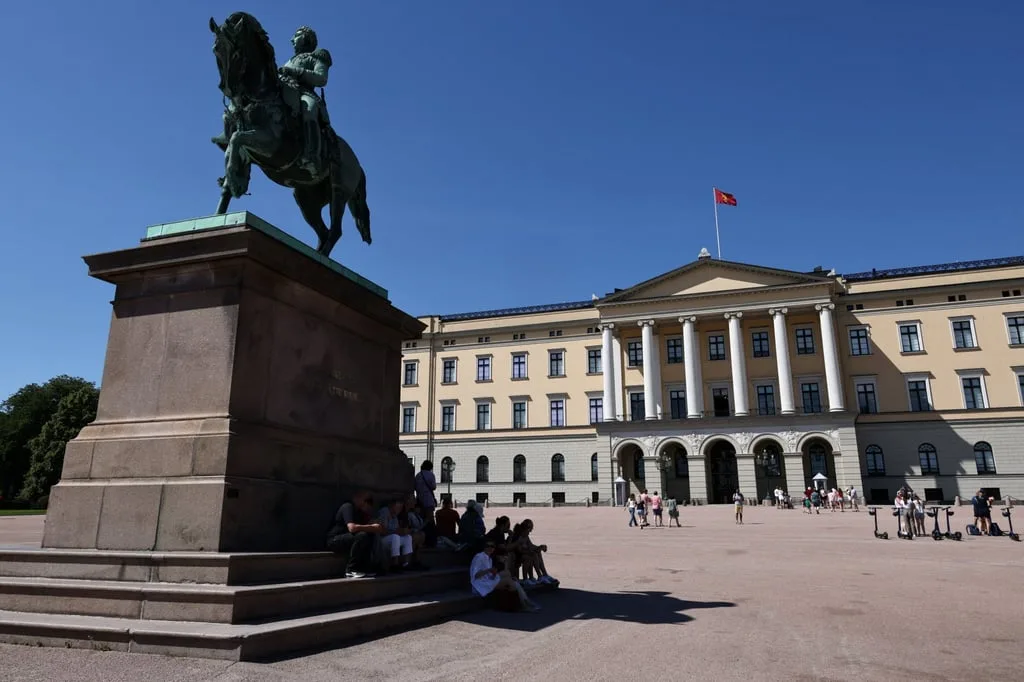
Europe experienced recurrent heatwaves in 2026, with summer temperatures reaching up to 40 degrees Celsius, prompting vacationers to turn away from traditional Mediterranean resorts [1, 2, 3, 4]. Since the first major heatwave hit France in May, hotel search data shows a sharp increase in bookings for northern cities. Copenhagen bookings from French travelers surged 246%, while Dublin saw a 151% rise, according to Hotels.com data [1, 4].
Other northern European cities also noted strong booking growth. Oslo’s year-over-year hotel reservations increased by 154%, and Helsinki’s by 124%, suggesting a broader shift in travel patterns beyond just the French market [1, 4]. Jonna Robertson noted, "Oslo has seen booking growth of 154 per cent year-over-year, Helsinki 124 per cent... Those numbers tell me that travellers are actively looking beyond the traditional summer hotspots" [4].
French couple Daniel and Florence Gastaldi from Marseille said they chose Stockholm to escape the oppressive southern heat. "It's good to have escaped the heatwave. We're happy to have found cooler temperatures," they said, appreciating daytime highs below 30 degrees Celsius and less crowded conditions [1, 2, 4].
The popularity of "coolcations"—vacations in cooler climates—has surged notably this year. Travelers are also turning to mountain resorts in France, where temperatures drop significantly in the evenings. Jean-Pascal Chopard explained, "That’s because at higher altitudes there is a clear drop in temperatures in the evening and during the night, which makes the stays much more liveable" [1, 4].
Despite the trend toward cooler northern destinations, affordable pricing continues to keep southern Europe attractive to many tourists, maintaining its status as a popular region despite the heat [1, 4].
The trend took hold following the first heatwave in May 2026 and intensified through the summer as high temperatures regularly climbed toward 40 degrees Celsius [1, 2, 3, 4]. Terje Viblom Pedersen commented that northern hotel operators "have been telling me that they have escaped the heat in southern parts of Europe" [1].
Booking data and travel behavior will likely be monitored closely as the summer continues, with the heatwave season ongoing.