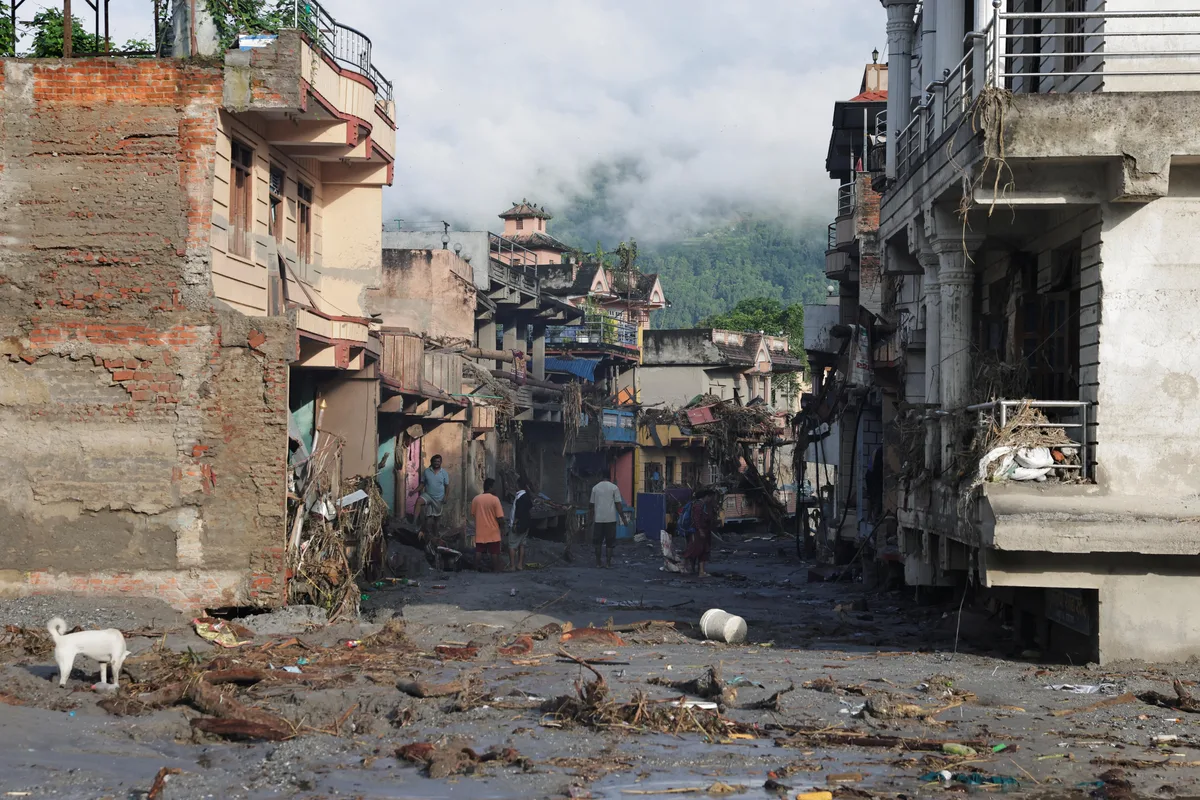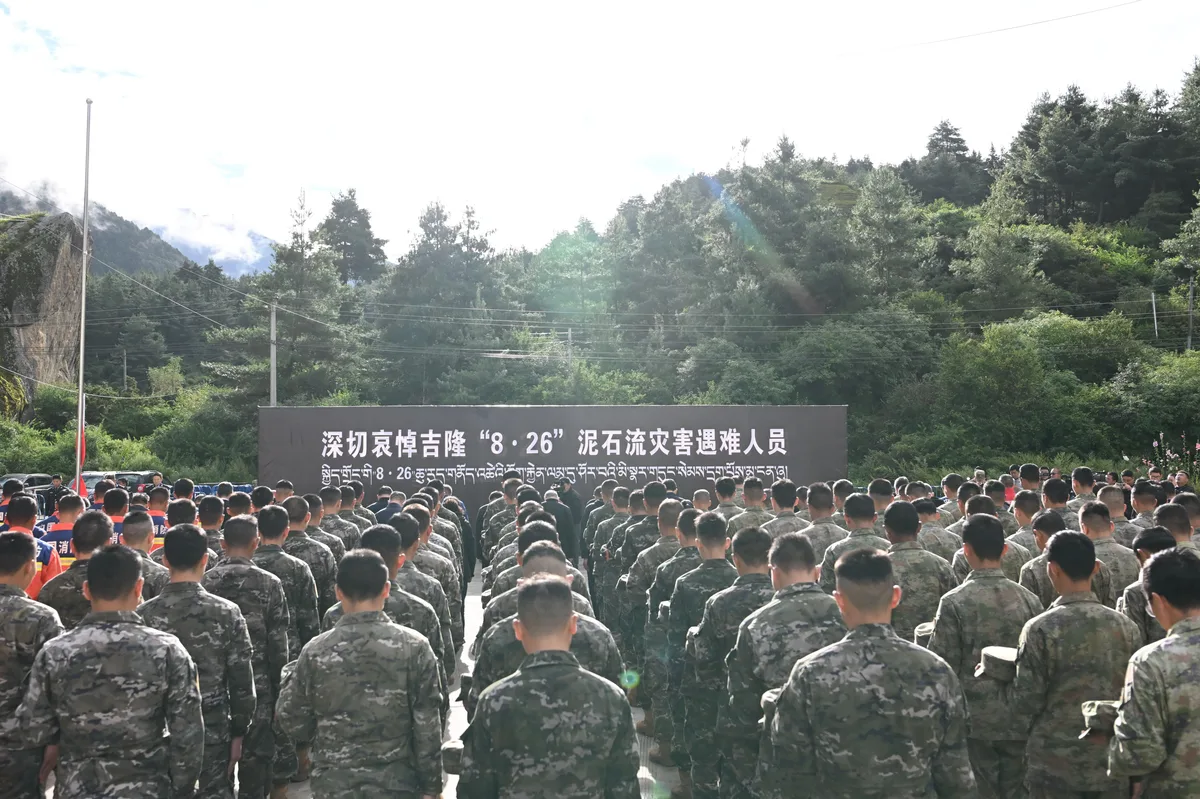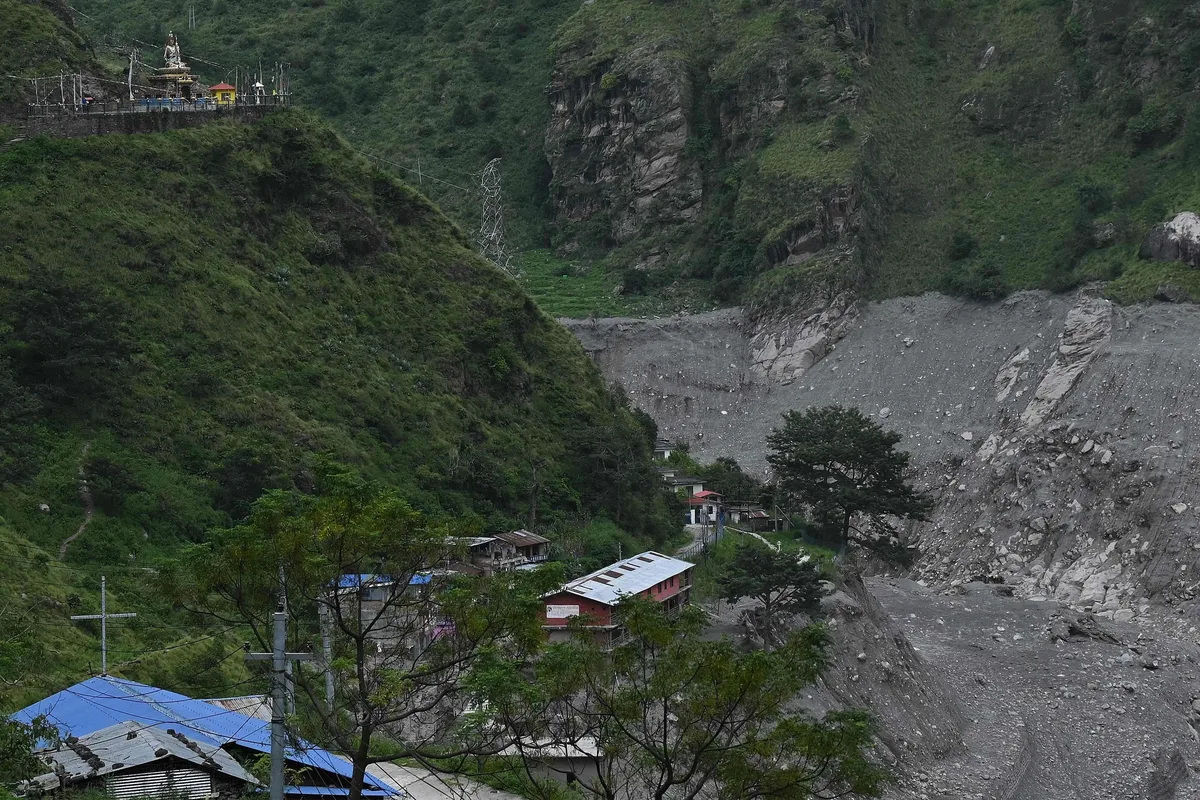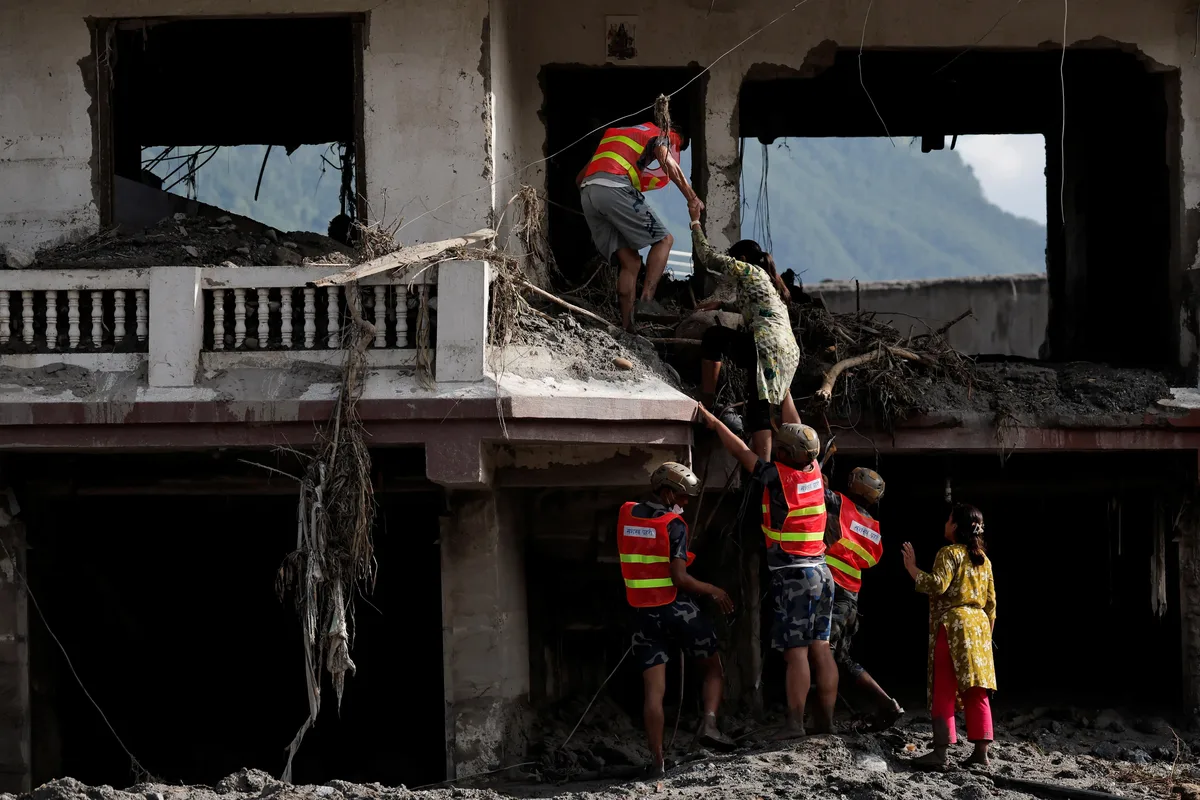
A large landslide involving ice, mud, and rock struck near the Nepal-Tibet border in the Himalayas on August 26, causing catastrophic flooding on the Nepal side and severe damage in Tibet [1, 2, 3, 4, 5, 6, 7, 8, 9].
The landslide started when an ice mass broke off a glacier at about 5,200 meters altitude and plunged roughly 1,200 meters into the valley below, releasing energy equivalent to a 5.2 magnitude earthquake [2, 3, 7]. Researchers described the debris field as looking like a bomb explosion with shattered glacial deposits [2].
The disaster destroyed entire villages, roads, bridges, power stations, and telecom infrastructure, including at the Gilong (Jilong) border crossing in Tibet [1, 2, 5, 7, 8, 9]. On the Nepal side, popular trekking routes to Langtang National Park and Gosainkunda lake were also disrupted during the Rakshabandhan religious festival period [1, 2].
Nepal confirmed recovering 157 bodies and reported about 340 foreign tourists missing, mainly from India, the UK, Malaysia, the US, Australia, Canada, South Africa, and Singapore [2, 3, 4, 10, 6, 7, 8, 9, 11]. Among the missing tourists is a group of 47 international hikers including 2 Singaporeans [11]. Nepal Foreign Minister Shishir Khanal said preliminary reports indicated the flooding was likely triggered by a local earthquake causing an avalanche [4].
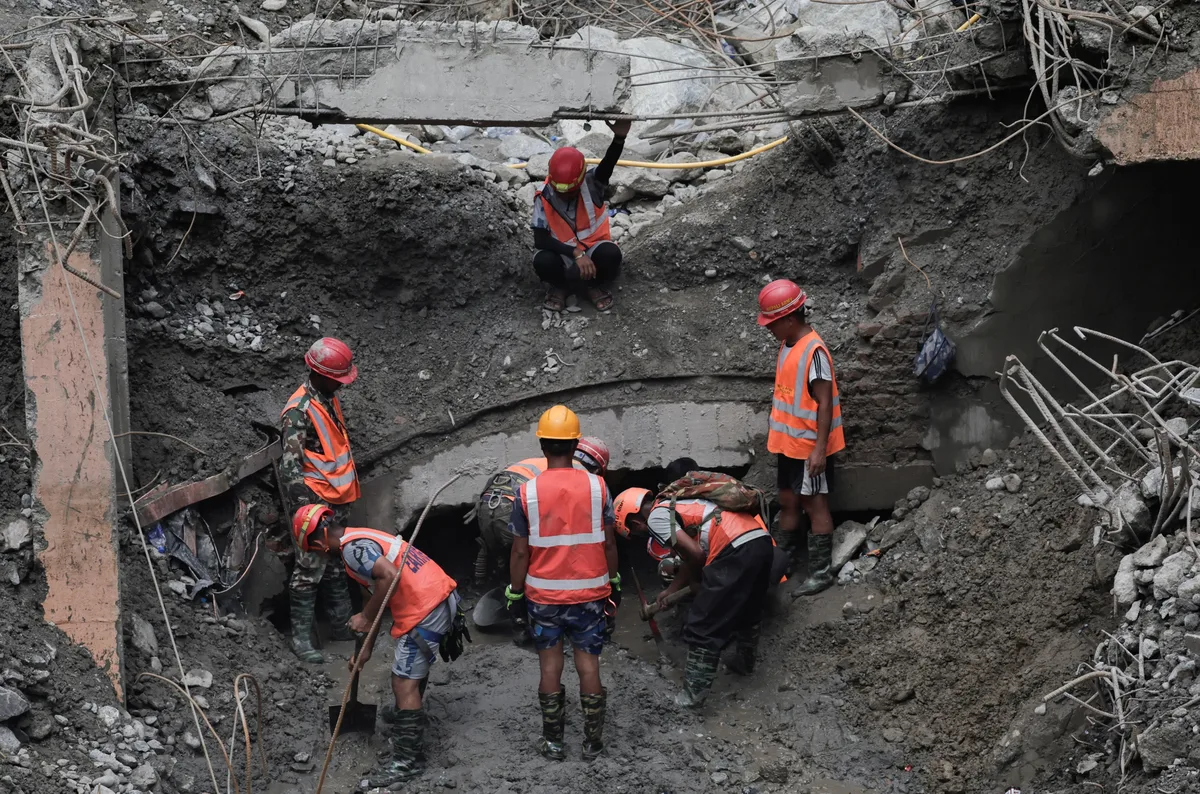
On the Tibet side, Chinese authorities reported 3 confirmed deaths and between 265 and 558 people missing, with strong rescue efforts underway involving military, emergency services, and drones [1, 6, 7, 8, 9]. More than 200 rescue personnel have been deployed, and military air and ground resources are operational [2, 6, 7, 8, 9].
Chinese President Xi Jinping and Premier Li Qiang directed authorities to prioritize search and rescue, protect residents, and prevent secondary disasters [8, 9]. Taiwan’s Mainland Affairs Council expressed condolences, noting 51 Taiwanese were in Tibet at the time [12].
Initial causes under investigation include a 4.4 magnitude earthquake shortly before the landslide, heavy rain, melting snow, glacier retreat from climate change, and possible construction activity [1, 3, 12, 8, 9].
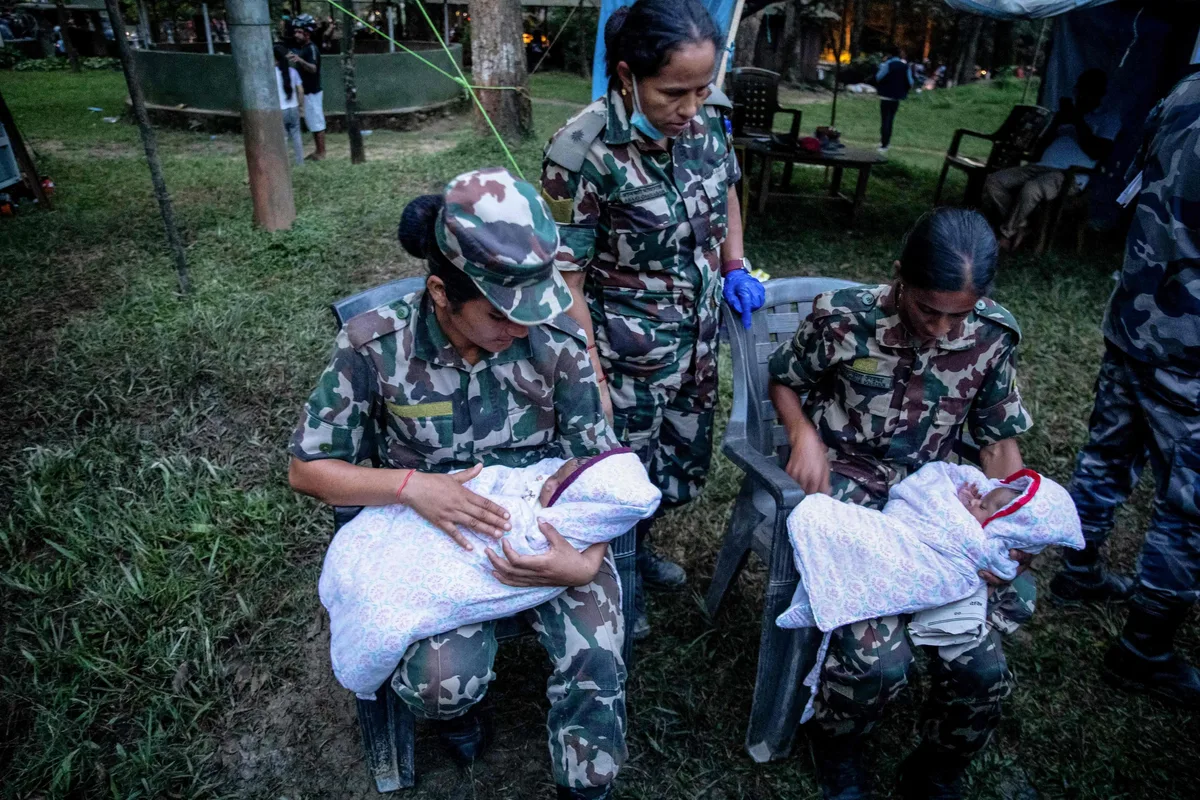
Nepal's military deployed helicopters and set up temporary hospitals starting August 26, while Chinese rescue units arrived the same day and communicated partial restoration of transport and telecommunications by August 27 [2, 4, 6, 7]. Rescue operations continue amid challenging terrain and ongoing risks.
Authorities on both sides have committed to intensifying rescue efforts and locating missing people in the coming days [8, 9].