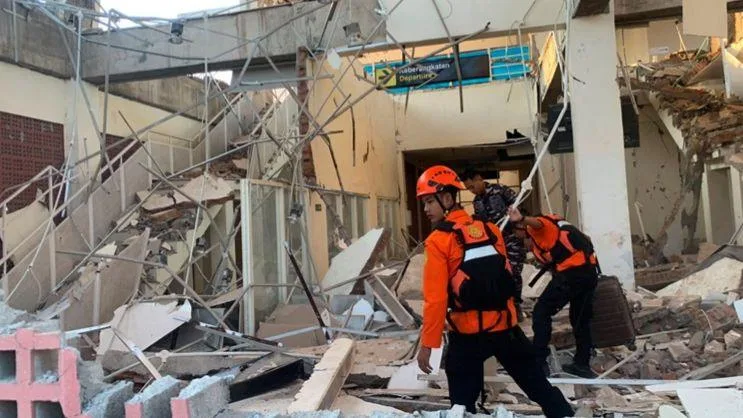
A magnitude 7.7 earthquake hit Indonesia's East Nusa Tenggara province early morning on August 15, 2026, at a shallow depth of 10 to 15 kilometers, causing widespread destruction and casualties [1, 2, 3, 4]. The quake triggered landslides, blocked roads, and damaged houses, public buildings, and infrastructure across districts including Sikka, Manggarai, East Manggarai, and Nagekeo [1, 2, 5, 3, 6, 4, 7].
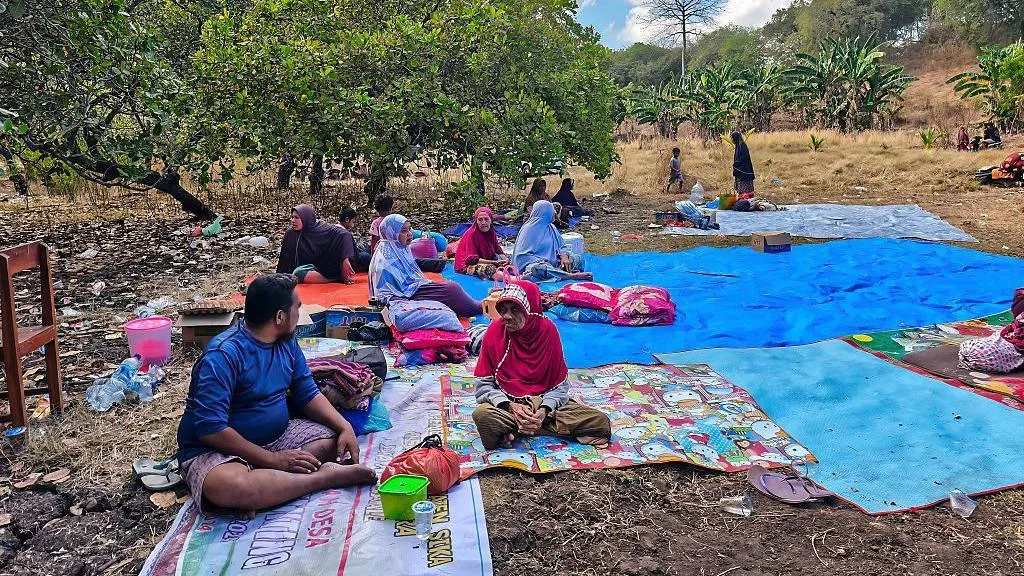
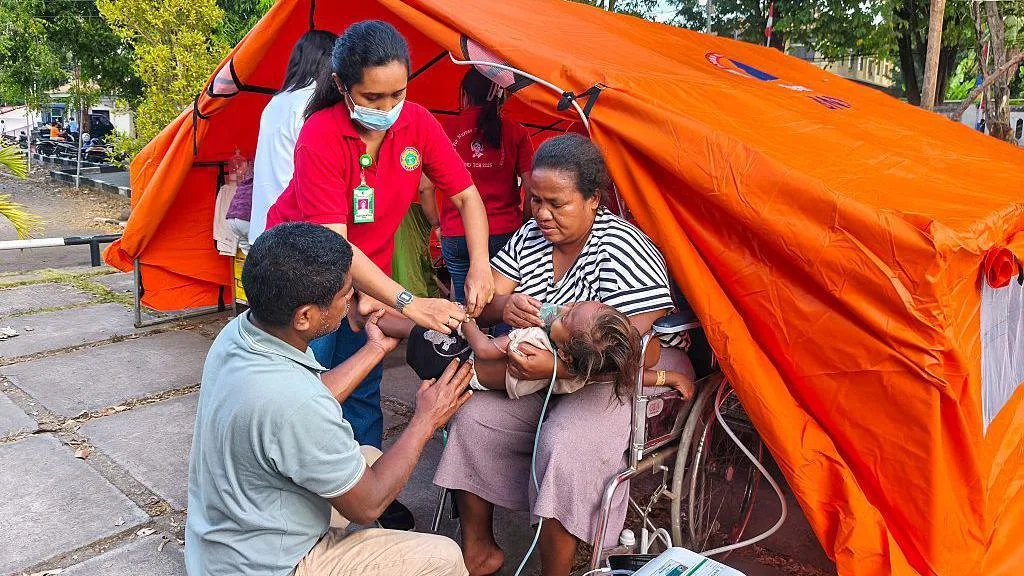
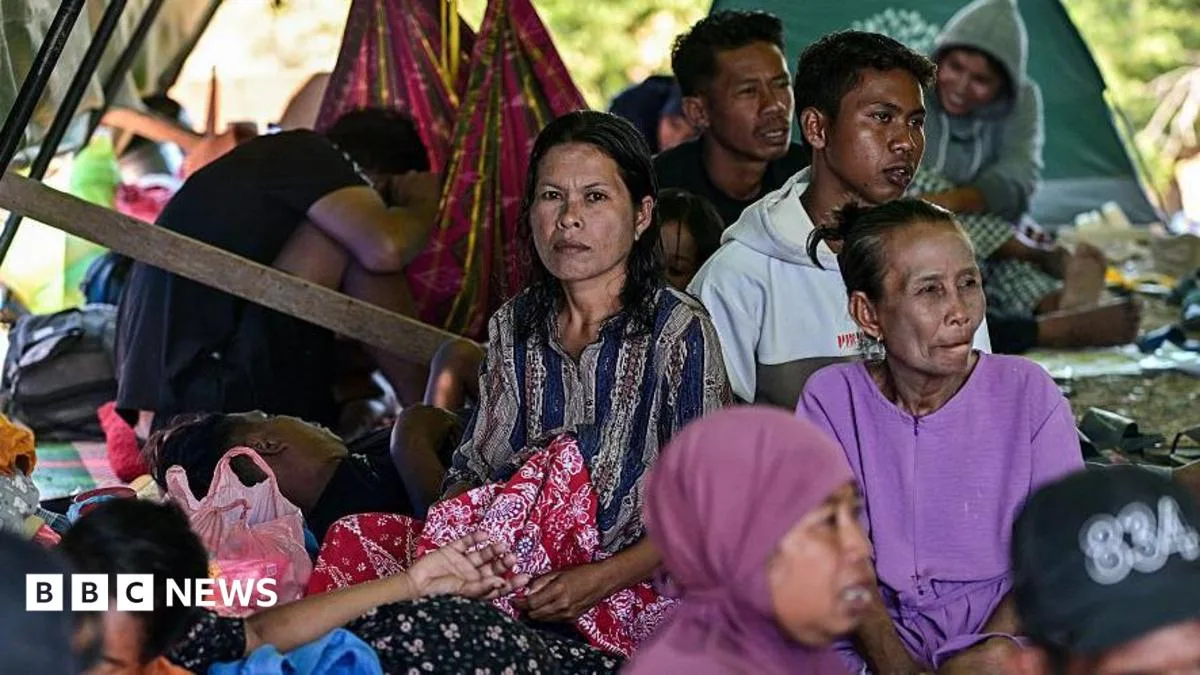
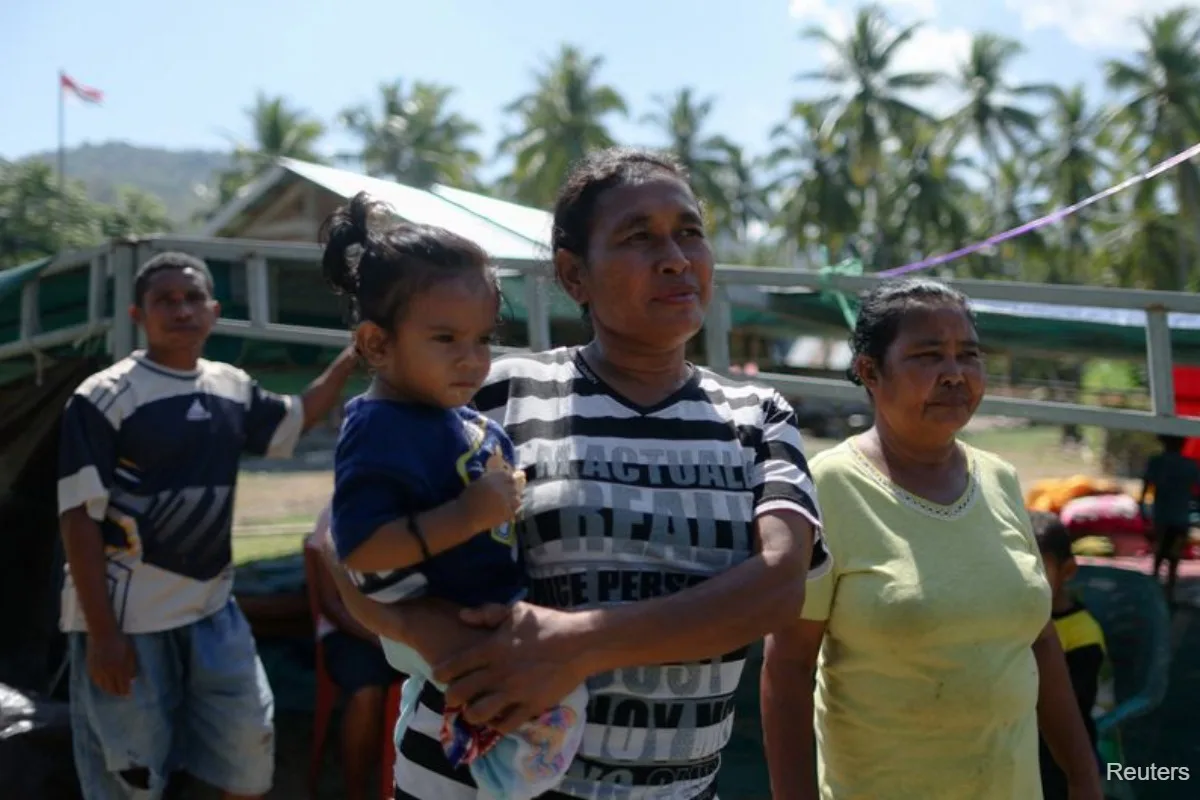
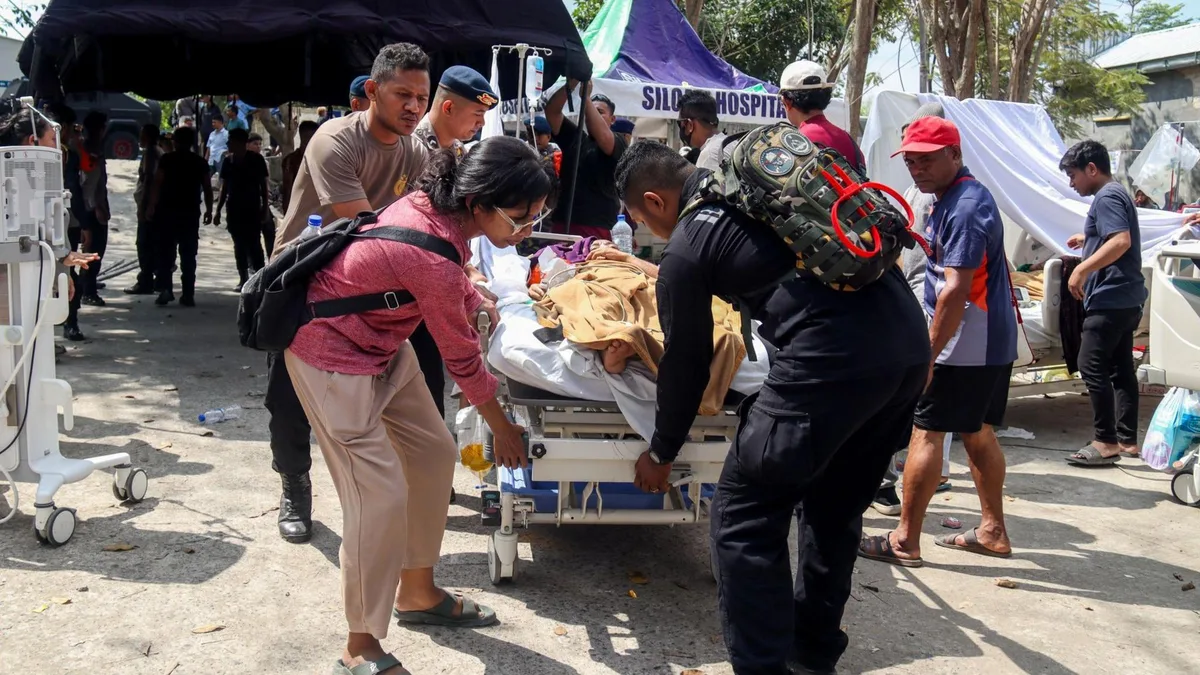
Rescue teams have confirmed at least 53 deaths, with some reports listing 54 fatalities, and over 130 injured, many with fractures [1, 2, 5, 8, 9, 3, 6, 4, 7]. Approximately 5,000 to 13,000 people have been displaced or remain unable to return to their homes, sheltering in tents and evacuation centers [1, 5, 8, 6, 4, 7]. Survivor Yuvienta Saen said, "He told me, 'You run fast, I leave my fate in God's hands.' There is a lack of clean water and blankets in the tents" [5].
Nearly 1,600 aftershocks have rattled the region since, including notable 5.6 and 5.7 magnitude tremors on August 17, complicating rescue operations [2, 8, 4, 7]. Local residents have been sleeping outdoors due to fear of further collapses [1, 2, 5, 4].
Search and rescue efforts continue, focusing on collapsed structures and landslide zones. Helicopters and specialized gear have aided recovery, with six bodies recovered from rubble on August 16 alone, raising the death toll to 53 [2, 5, 8, 3, 6, 4, 7]. Hundreds of houses—over 1,000 damaged and about 500 severely affected—have been reported lost [1, 2, 8, 3, 6, 4, 7]. The quake also disrupted electricity and telecommunications, though power has largely been restored [5, 6, 4].
The Indonesian government declared a state of emergency for East Nusa Tenggara to mobilize resources and funding for relief efforts [5, 4]. Emergency field hospitals will be set up, requiring specialist surgeons to treat head traumas and bone fractures caused by the quake and aftershocks [2, 8, 7].
President Prabowo Subianto led a moment of silence and prayers for victims during Indonesia's 81st Independence Day ceremony on August 17, which was overshadowed by the disaster. He urged remembrance for the nation’s heroes and victims alike [9, 2, 8, 4, 7].
The earthquake damaged more than 100 public facilities, including 87 schools, 18 health centers, 6 offices, and 5 churches [4]. Around 8,000 children face risks to their safety and education due to the disaster’s impact [4].
Fathur Rahman, Rescue Office Chief in Maumere, said, "We have cleared most of the landslides and reopened roads leading to previously isolated villages, but communication outages and power cuts still hinder rescue operations" [4]. Authorities are continuing rescue missions and relief distribution, with aftershocks expected to persist.
The next key event will be continued assessment of the damage and expansion of emergency medical facilities to address urgent needs in the coming days.