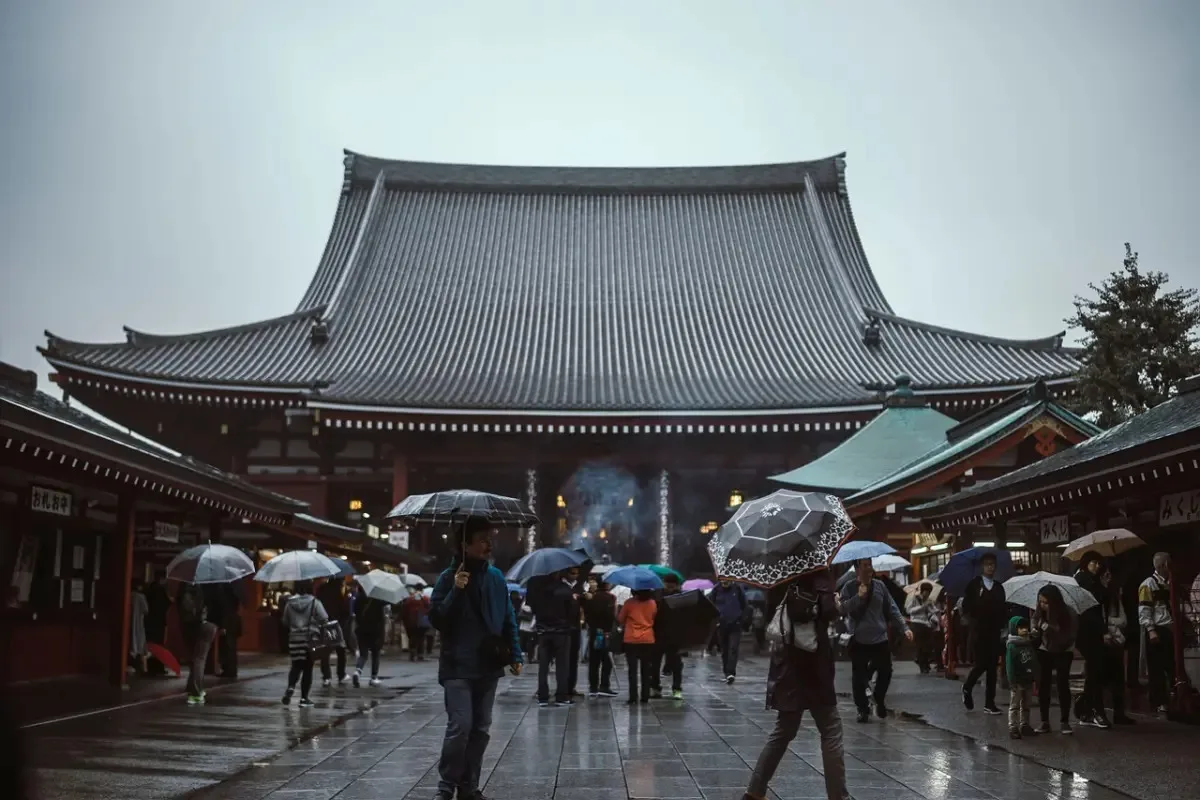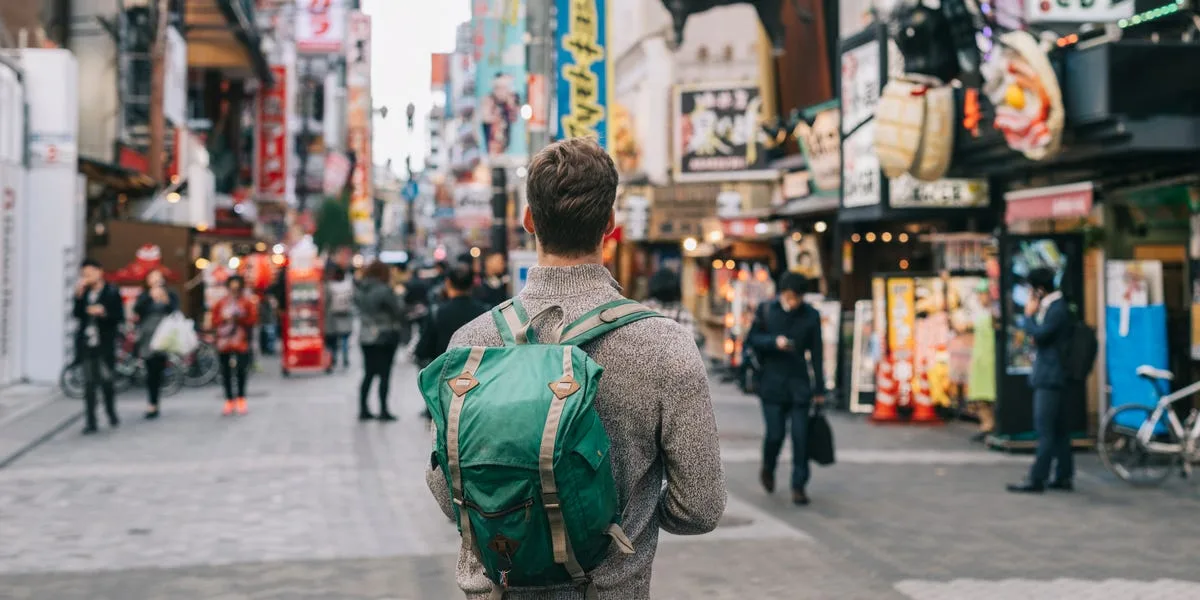
More than 200 travelers who visited Japan shared common regrets about their trips, highlighting mistakes that affected their experiences [1, 2, 3]. Many admitted they planned visits around viral social media trends instead of personal interests, which led them to overcrowded tourist spots and early mornings spent chasing photos [1, 2, 3].
Visitors also often tried to cover too many cities in one trip—Tokyo, Kyoto, Osaka, Nara, and Hiroshima—resulting in rushed, superficial experiences and exhaustion [1, 2, 3]. The complexity of Japan’s railway network, especially major hubs like Shinjuku Station with over 200 exits, also caused confusion, even for seasoned tourists [2, 3].
Purchasing the Japan Rail Pass without calculating if it was cost-effective, especially after recent price hikes, was another common regret [2, 3]. Travelers also underestimated the physical toll of walking 15,000 to 25,000 steps daily over uneven terrain, slopes, and stairs—especially during Japan’s hot summer season [2, 3]. One traveler quoted by Business Insider said, “We stopped following every recommendation and just explored. It was a much better trip.” [1]
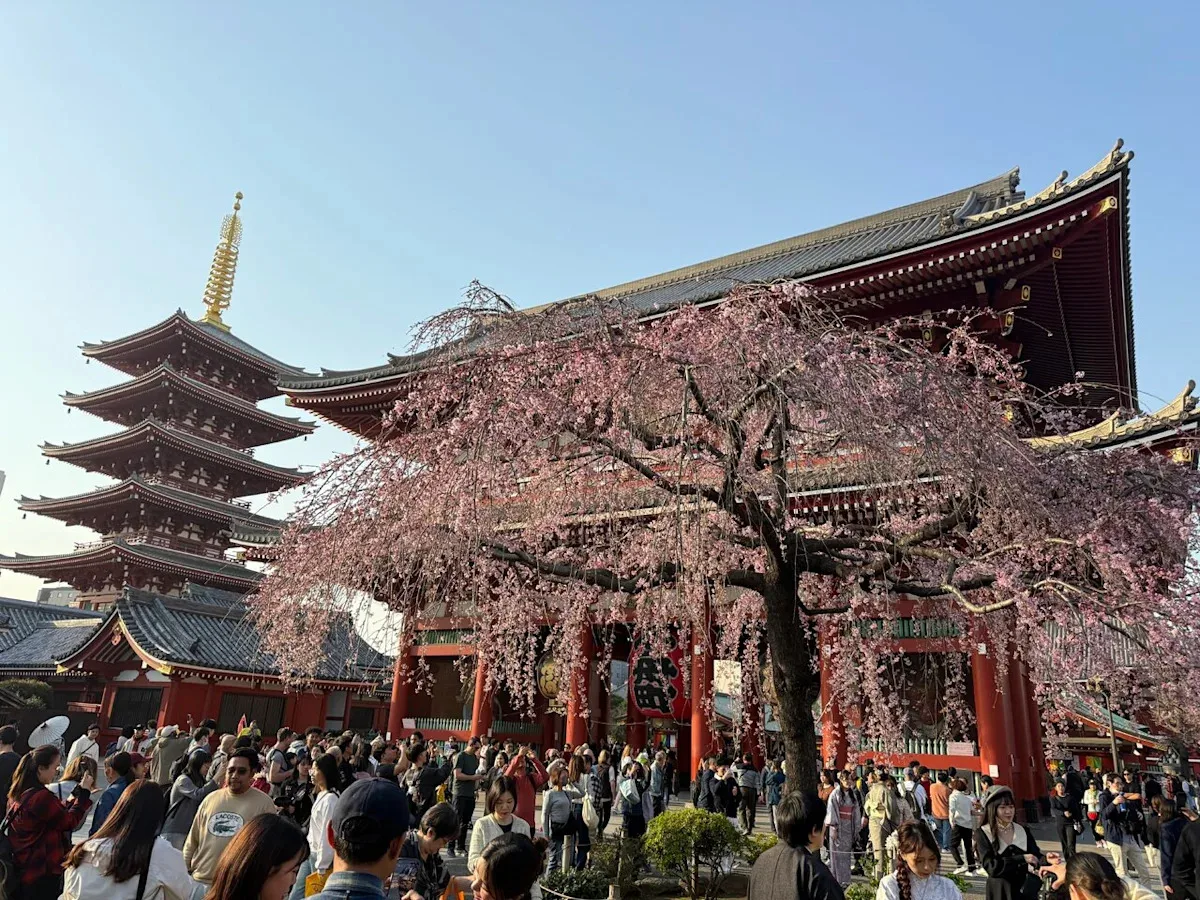
First-time visitors often had romanticized expectations about Japan, particularly during cherry blossom season, and were disappointed by the crowds and high prices [2, 3]. Experienced travelers noted their best trips came on return visits when the pressure to “see everything” faded and they could plan around their interests and relaxation [1, 2].
Suggestions for better timing include avoiding peak tourism periods like Golden Week and favoring late May to early June or October for milder weather, fewer crowds, and lower costs [2]. Travelers also emphasized the importance of wearing comfortable shoes and leaving some free time in the schedule, as voiced by visitors in Yahoo Taiwan: “一定要穿一雙好走的鞋!並且適度留白,別把行程排得太滿。” [3]
The findings offer practical advice for tourists planning future trips to Japan, with a clear focus on personalized travel and realistic expectations.