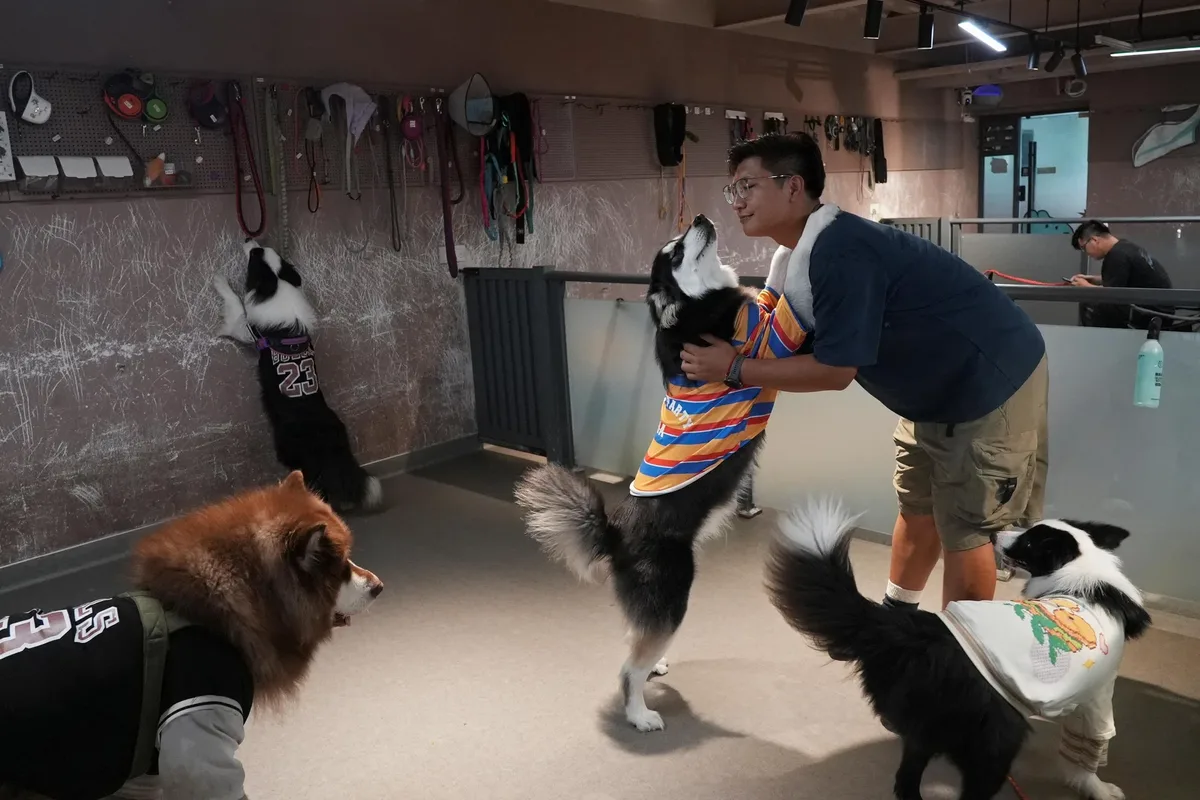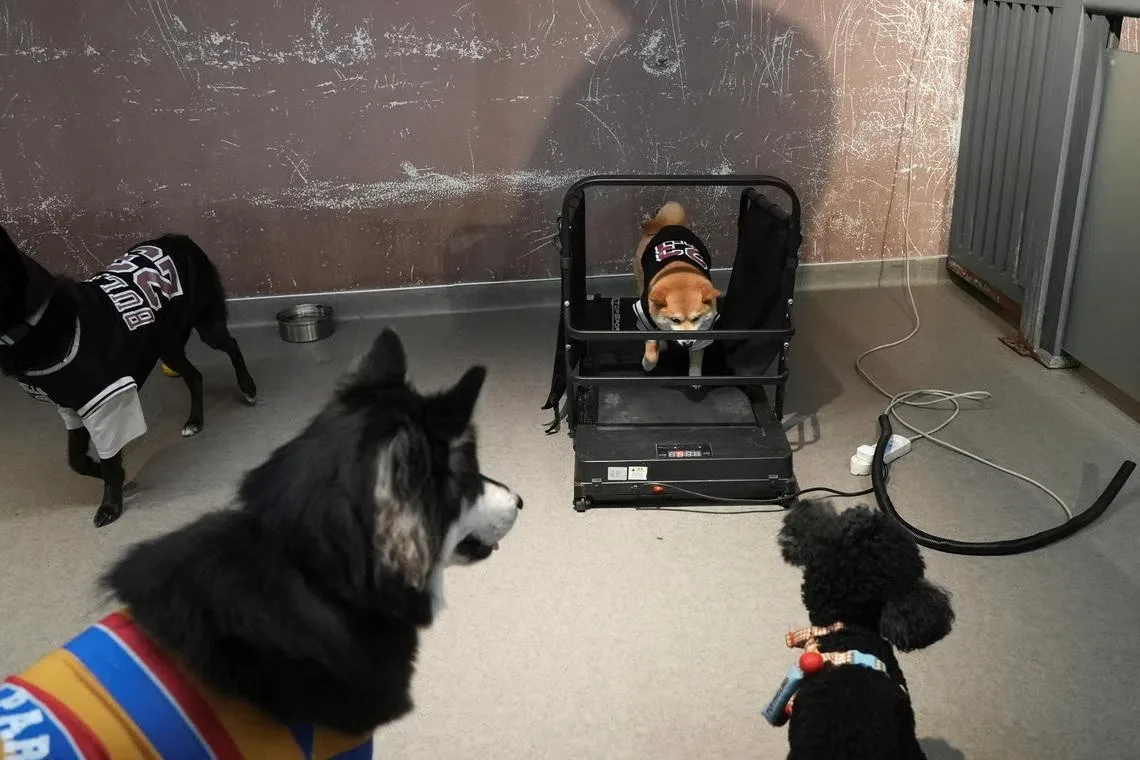
Paw³, a dog preschool in Shanghai, opened in May 2025 and now serves roughly 200 dogs daily, offering a range of activities including games, obstacle courses, snacks, naps with classical music, and dog treadmills [1]. Pets arrive by 9 a.m. and are picked up around 7 p.m. at the facility, which focuses on scheduled socialization rather than strict training or age-based programs [1, 2].
Founder Jann Zhang created Paw³ to address anxieties and socialization challenges faced by his six-year-old golden retriever, Fuzai. Zhang explained, "I was hoping to give my own dog more space to be social, so I could distract his attention. That’s how the idea of opening the kindergarten came about" [1].
Daily fees at Paw³ range from 98 to 138 yuan depending on the dog’s size, reflecting a market willing to invest in pet wellbeing [1, 2]. Customers like Qian Yi spend about 4,000 yuan monthly on her one-year-old border collie Harry for daycare, meals, grooming, swimming, and visits to dog parks. "We raise our dog like a child," Yi said, illustrating a trend among younger urban Chinese consumers to consider pets family members and prioritize emotional fulfillment [1, 2].
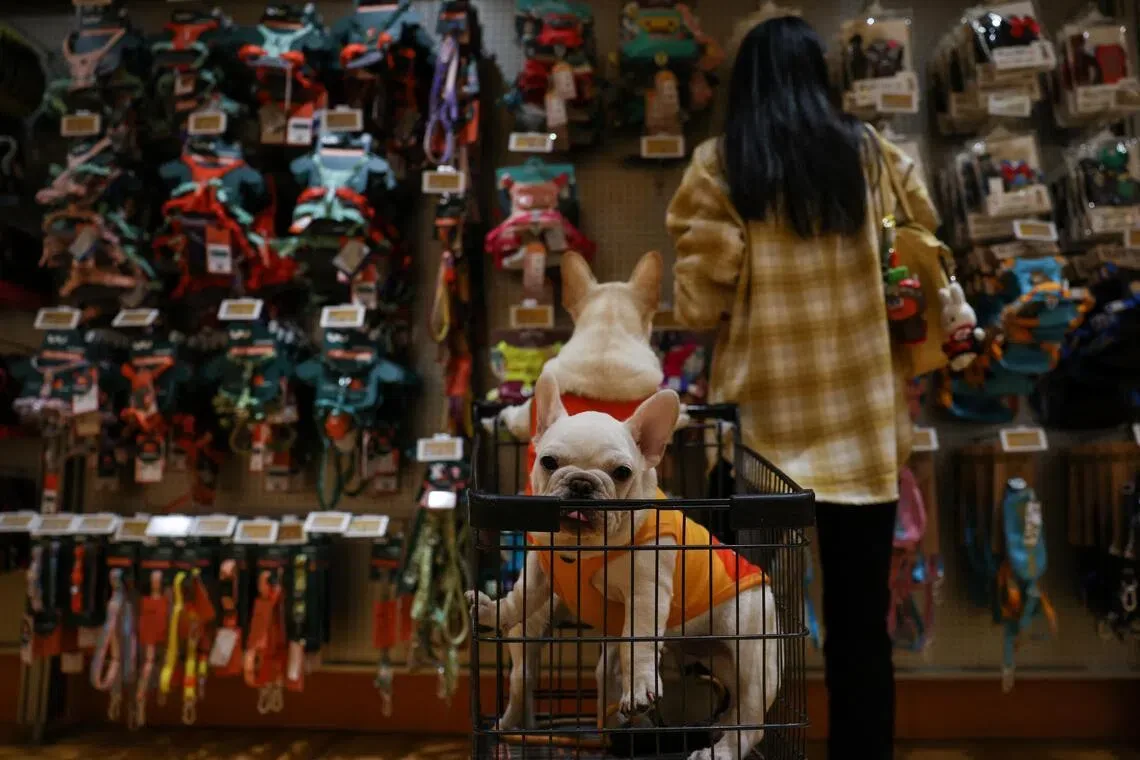
China’s urban pet consumption market reached 312.6 billion yuan in 2025 and is expected to exceed 405 billion yuan by 2028, according to Pet Data [1, 2]. William Tang, another Paw³ client, commented, "What attracts me most about the place is that it gives dogs a space of their own," emphasizing growing demand for specialized pet services [1].
Paw³’s growth from fewer than 20 initial dogs to around 200 clients shows rising consumer interest in pet socialization and care. The preschool continues to operate daily from morning until evening, providing a dedicated environment for dogs in Shanghai [1, 2].