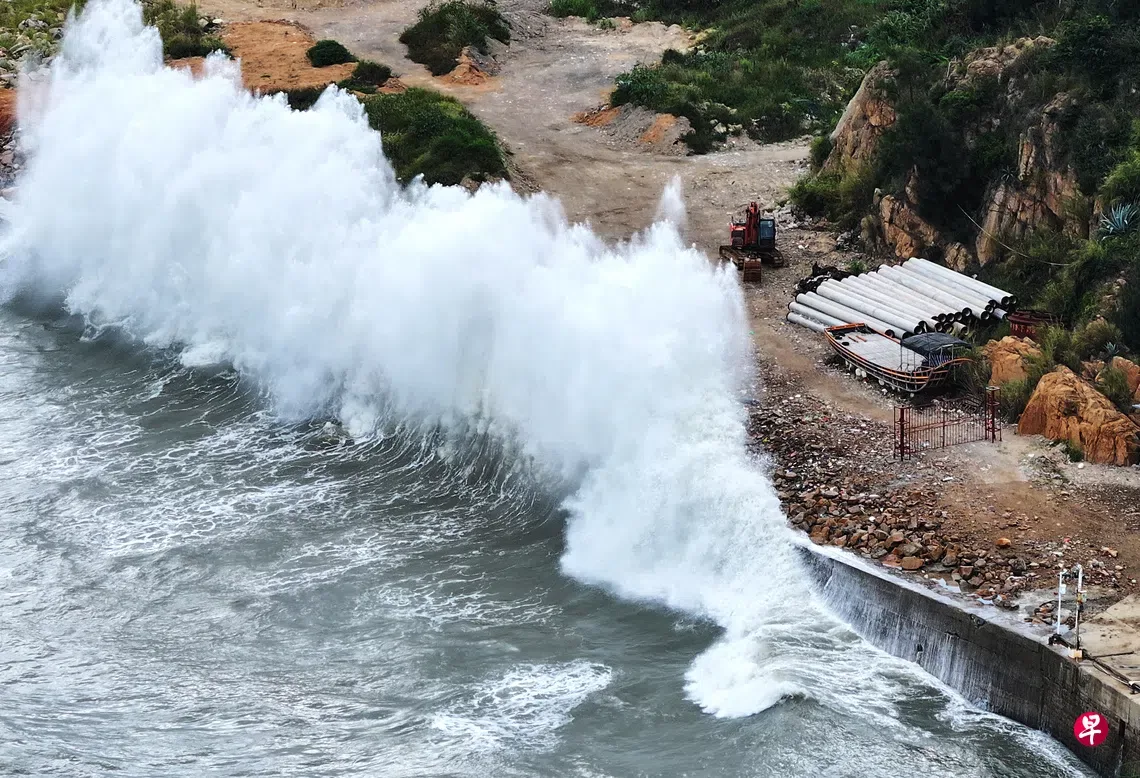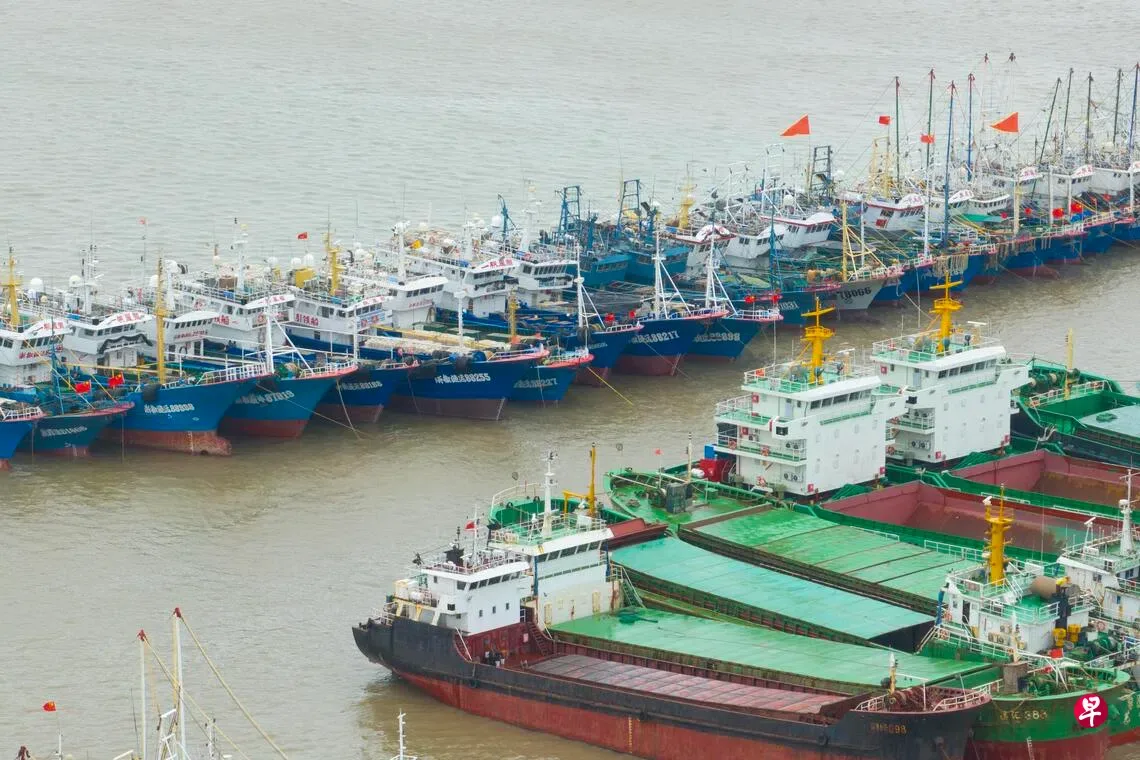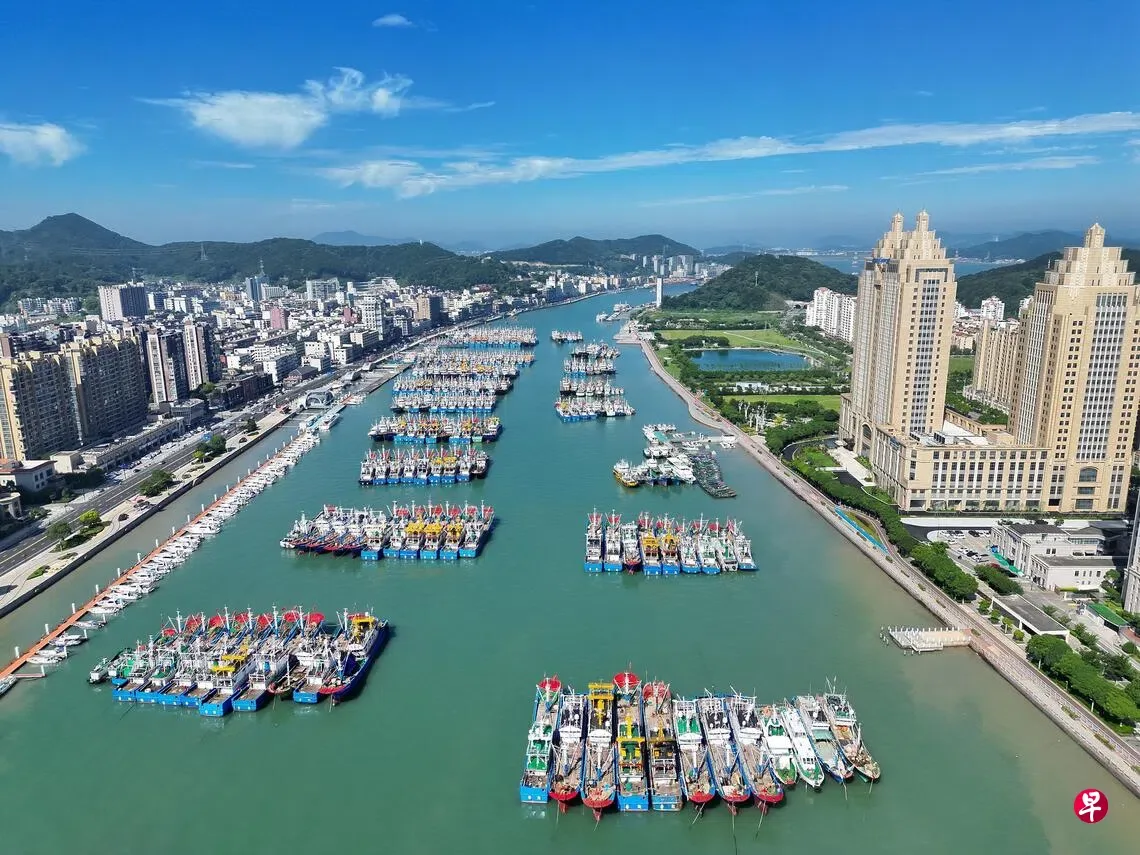
Typhoon White Dolphin (第13号台风) struck eastern China on August 9, 2026, first making landfall near Yuhuan city in Zhejiang province around 5:30 p.m. local time before a second landfall near Wenzhou later that evening [1, 2, 3, 4, 5]. The storm brought sustained winds between 38 and 45 meters per second (about 136-162 km/h), reaching strong typhoon or Category 3 hurricane strength, with a central pressure near 945 hPa at landfall [6, 2, 3].
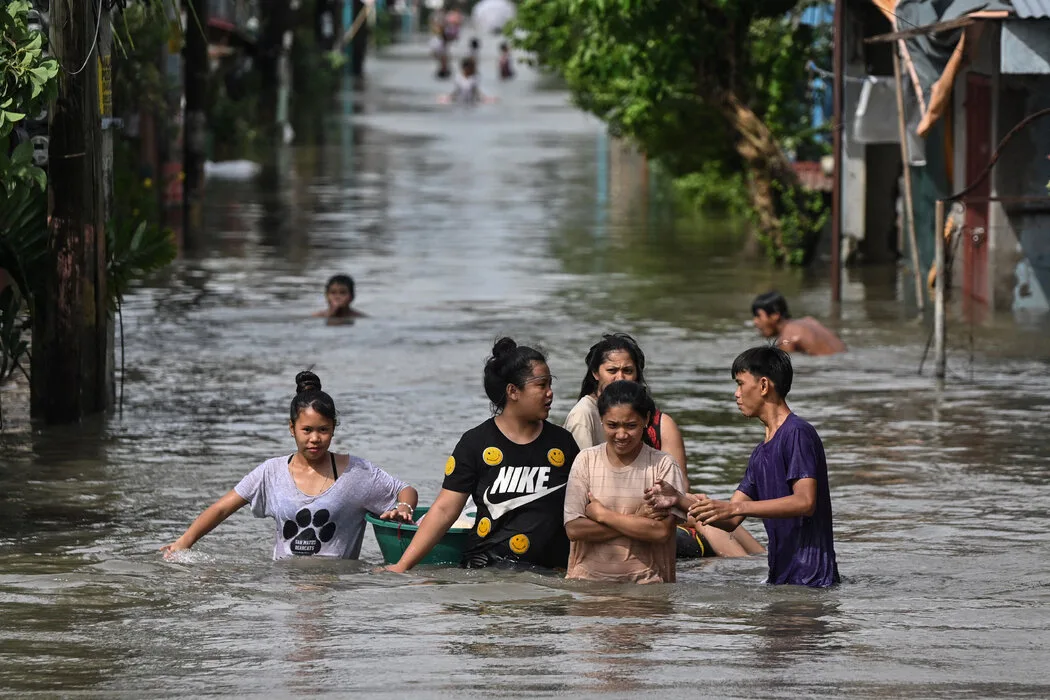
Heavy to very heavy rainfall impacted Zhejiang, Fujian, Shanghai, Jiangxi, Anhui, Jiangsu and nearby provinces from August 9 through at least August 12. Some areas received between 250 and 500 mm of rain, causing flooding, landslides, and potential agricultural damage [7, 6, 1, 3, 4, 8, 9]. Shanghai upgraded rain warnings to orange on August 10 after six-hour rainfall totals exceeded 150 mm, leading to urban flooding and traffic disruptions [3, 8, 9]. Atmospheric G2 meteorologist James Caron said, "This weather system is continuing northward and may bring a significant rainfall event inland and cause damage to farmland" [8].
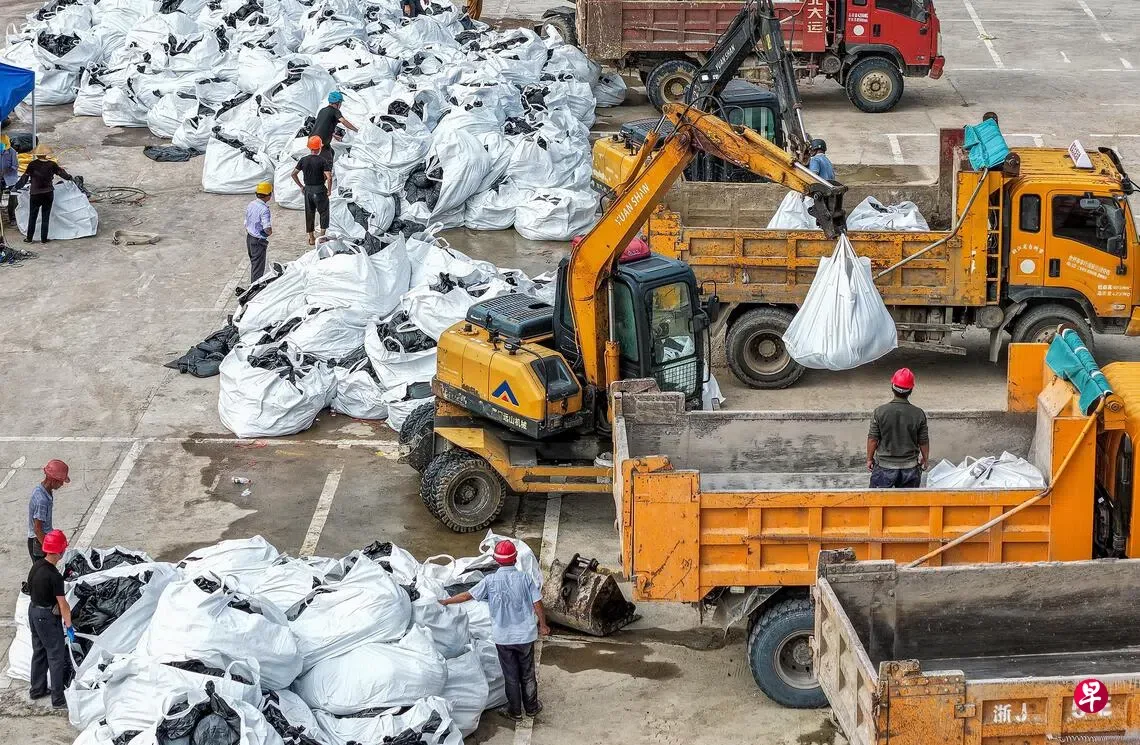
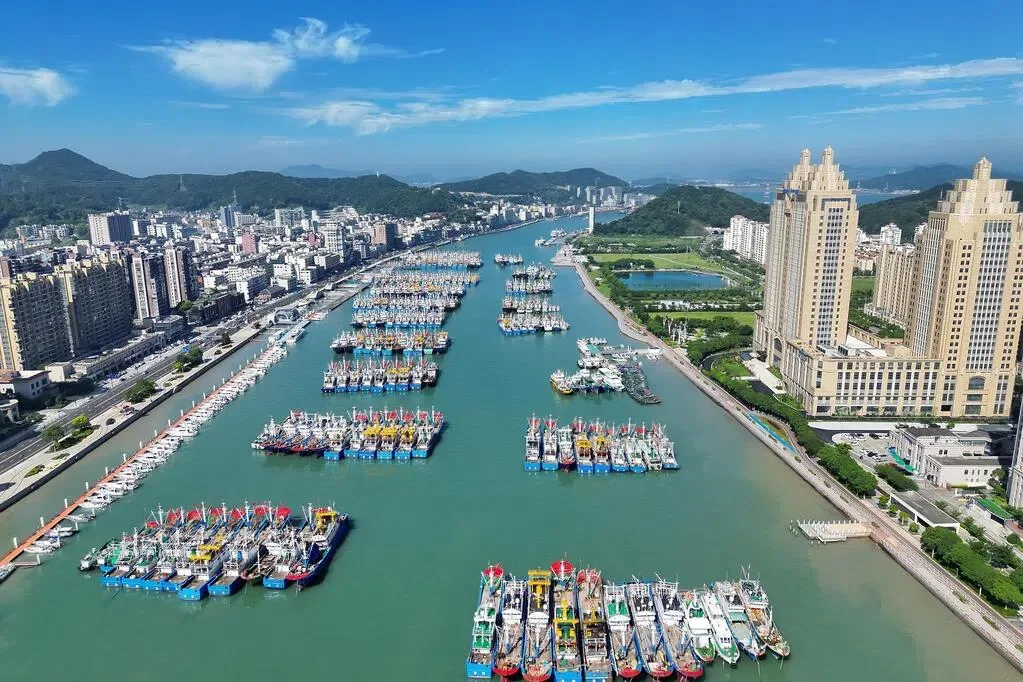
Local authorities took emergency measures ahead of the storm. Zhejiang and Fujian provincial governments held emergency meetings and raised disaster prevention levels to 3 or 4 for typhoon, flooding, and geological risks. Zhejiang Governor Liu Jie said, "We must prepare for the worst case, making full preparations to ensure 'no household or person is missed'". Fujian Governor Zhao Long urged overcoming complacency and preparing against the typhoon, heavy rain and flood risks [6, 10].
More than 1 million people were evacuated from affected areas, including around 100,000 in Fujian, 80,000 in the Taizhou area of Zhejiang, over 30,000 in Shanghai, and about 900,000 total in Zhejiang province [11, 1, 4, 5, 9]. Transport hubs canceled or reduced approximately 1,400 flights on August 9 and 10, and many train lines suspended services [11, 1, 2, 4, 5].
Before landfall, on August 7, strong waves swept a 9-year-old boy into the sea along the Zhejiang coast; he remains missing [1, 4]. Elsewhere, Okinawa in southern Japan and Taiwan endured injuries and flooding from the typhoon's earlier outer effects [7, 1, 4, 5]. Some Chinese authorities detained individuals for spreading false information about the storm's impact [4].
Forecasters warned the storm's impacts will continue, with heavy rain and secondary threats like flooding and landslides expected across eastern and central provinces through at least August 12 [1, 4, 8].