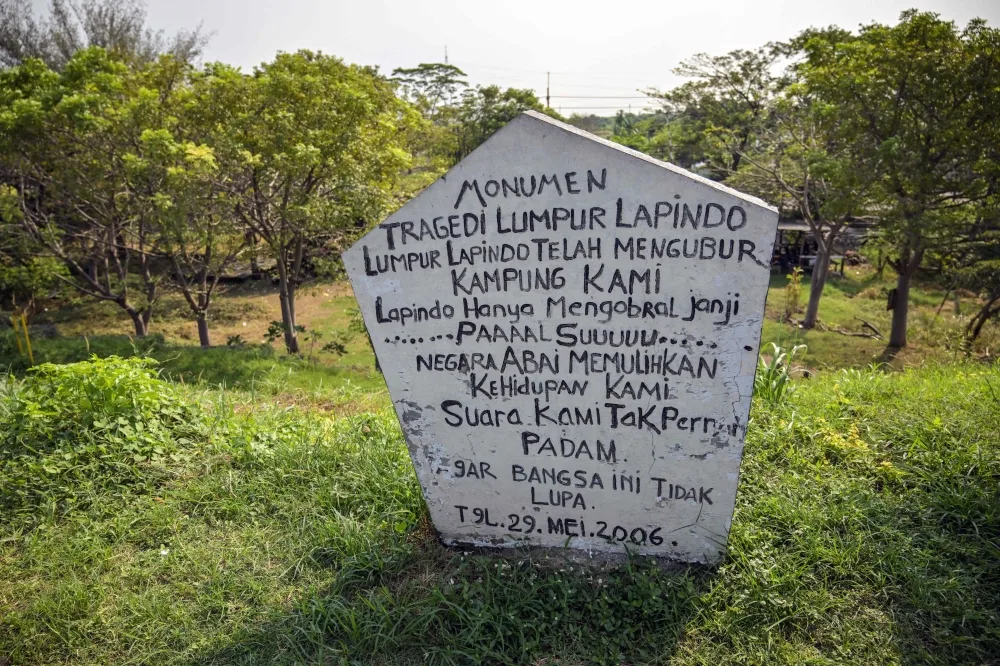
On May 29, 2006, a mud volcano erupted in Sidoarjo, East Java, Indonesia, violently ejecting hot, foul-smelling mud that swallowed at least 12 villages and factories, destroying over 600 hectares of land [1, 2, 3]. The eruption displaced tens of thousands of people and triggered an underground natural gas pipeline explosion that killed 13 [1, 2, 3].
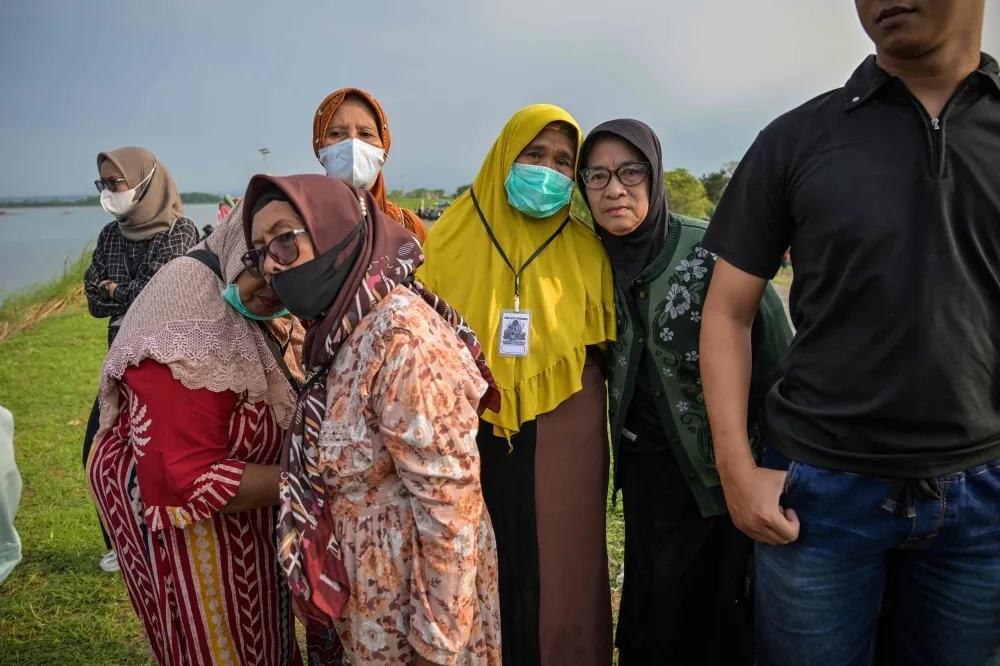
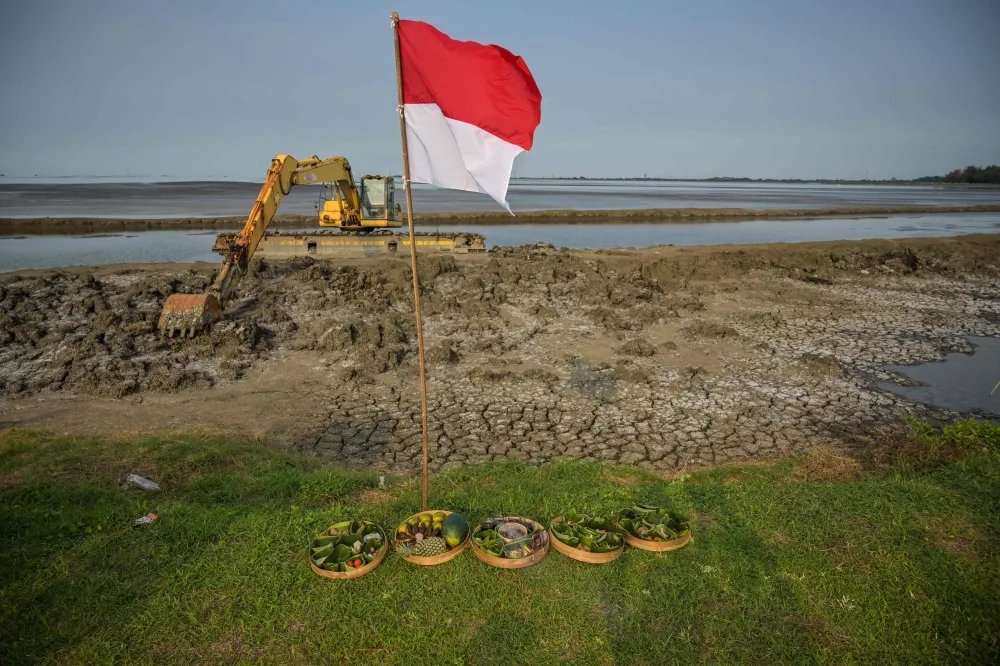
The mud eruption has continued without interruption for 20 years, defying all efforts to plug it, including attempts using large concrete balls [1, 2, 3]. Survivors marked the 20th anniversary on May 29, 2026, gathering in Sidoarjo to urge the government to provide justice and fully investigate ongoing health effects linked to the disaster [1, 2, 3].
Many locals suffer from cancer and other illnesses believed to be caused by contamination related to the mud [1, 2, 3]. Environmental groups reported underground water contamination near the eruption site, correlating with residents’ health problems [1, 3]. Muhammad Irsyad, a survivor who relocated in 2012 due to polluted water, said, "I was angry when I wanted to take a bath because when we shower, my eyes got stung as soon as the water hits it" [2]. Another survivor, Siti Chusniawati, described the struggle to adapt: "It was tough, but whether we want it or not, we just go on day by day, trying to be able to adapt with this new circumstance" [2].
The cause of the disaster remains disputed. Independent studies either blame PT Lapindo Brantas, an oil and gas company drilling in the area and part of the Bakrie family conglomerate, or attribute the eruption to a 7.7 magnitude earthquake that struck 260 kilometers away two days earlier [1, 2, 3]. PT Lapindo Brantas was ordered to compensate victims, but payments were delayed for years, sparking protests. The Indonesian government eventually intervened and loaned money to accelerate compensation [1, 3].
The anniversary event highlighted survivor demands for continued investigation into health impacts and accountability. Harwati, a survivor, said, "Even though presidents change, we still hope (the government will) provide justice for us. The disaster is far from over" [2]. The JATAM coordinator noted, "20 years later, the disaster's damage to residents' health, environment, and livelihood remains unfinished" [1].
Survivors continue to live with the consequences of displacement, polluted water, and persistent mud flows. The anniversary gathering focused on these ongoing challenges and calls for government action. Authorities have yet to stop the eruption or fully resolve compensation and health concerns, leaving survivors waiting for concrete solutions [1, 2, 3].