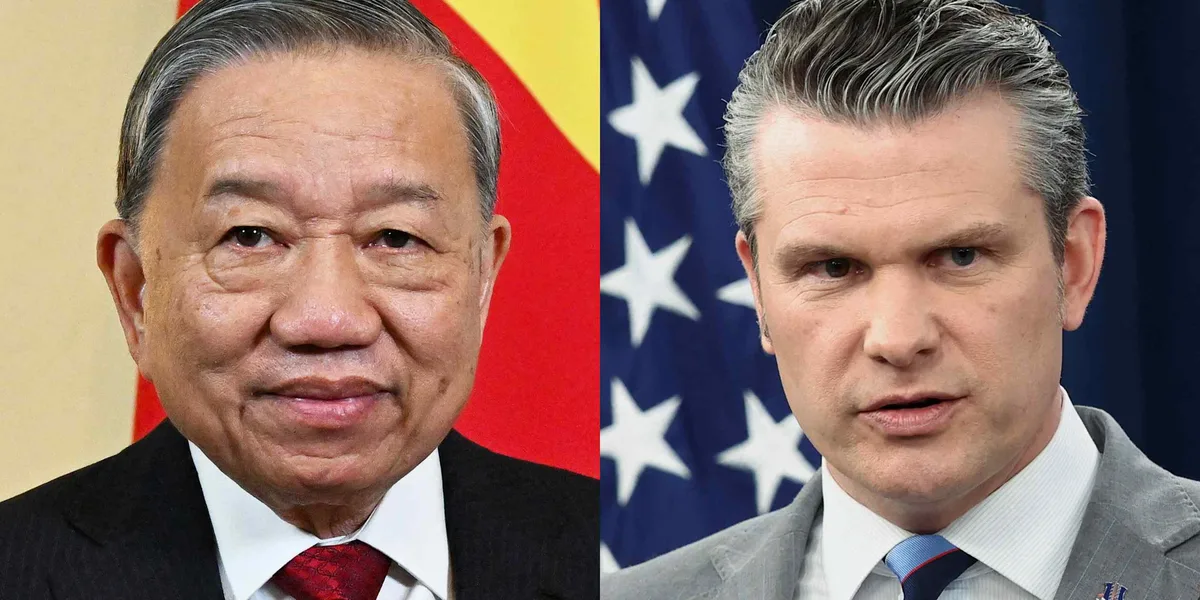
The 2026 Shangri-La Dialogue opened on May 29 in Singapore with defense leaders and senior officials from 44 countries attending the summit, including 54 ministerial-level delegates and 42 chiefs of defense or senior defense officials [1, 2]. Vietnamese Communist Party leader To Lam delivered the opening keynote address that day [1, 2].
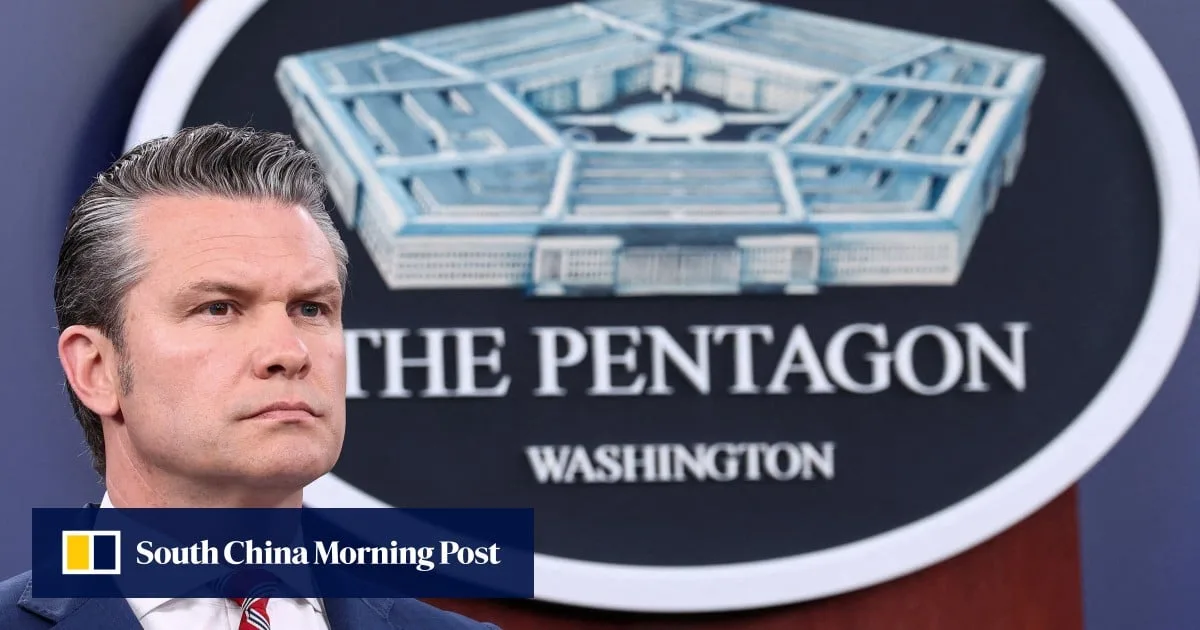
On May 30, US Secretary of Defense Pete Hegseth addressed the summit, outlining Washington's Indo-Pacific strategy amid the ongoing Iran war, now in its fourth month. Hegseth emphasized a posture of “measured and deliberate strength” rather than confrontation in US policy toward China [3, 1, 2, 4, 5]. He steered away from characterizing China as a primary threat, softening his tone compared to last year's speech where he warned that “the threat China poses is real” [4, 5]. The moderation follows last year's Xi-Trump summit and underscores a less confrontational US approach in the region [4].
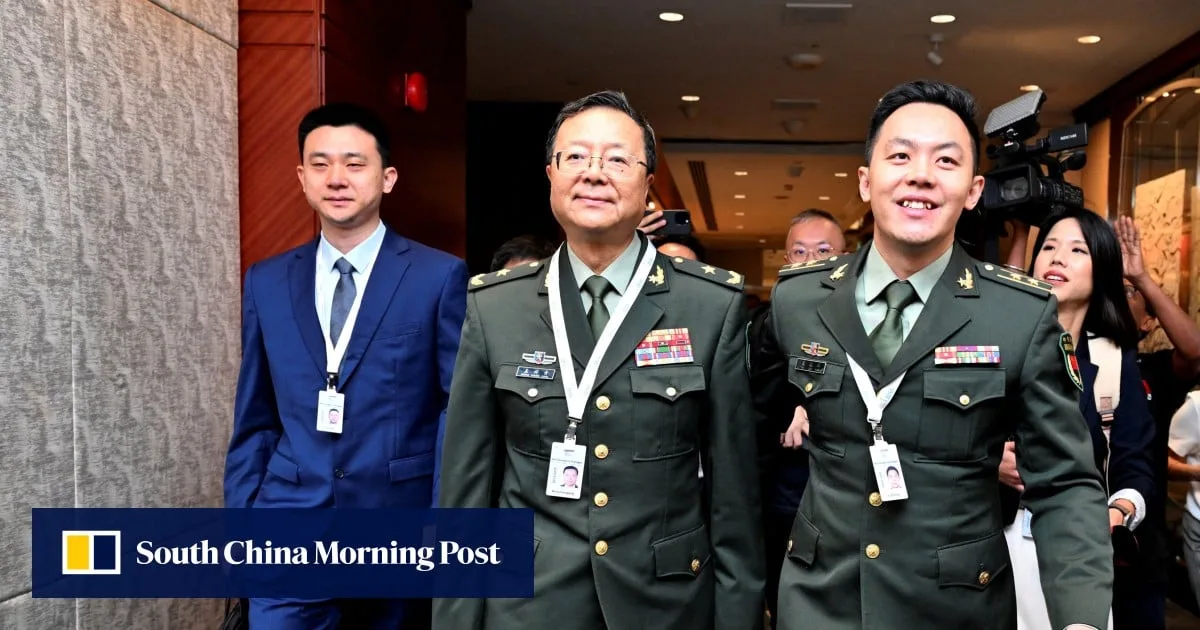
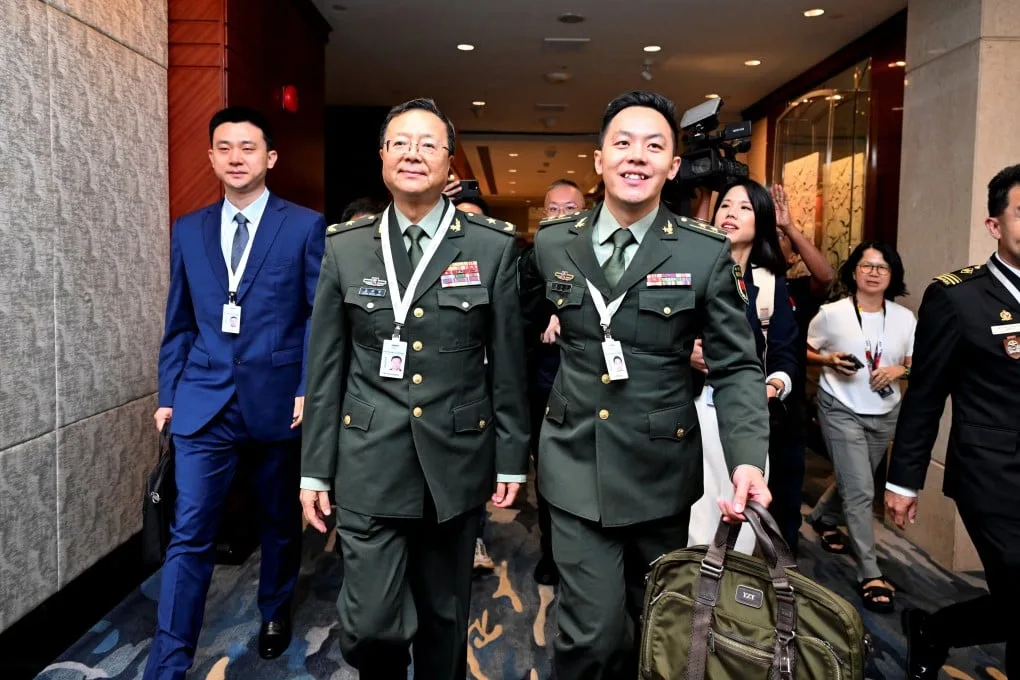
China, represented by Major General Meng Xiangqing, also dialed down its rhetoric compared to previous years. Meng expressed hope for improved US-China military relations, calling for movement “towards each other” to promote military ties on “a healthy, stable and sustainable path” [6].
This year’s dialogue focused heavily on US-China relations, regional security, and the impact of the US-Israel-Iran conflict on Asian economies and energy supplies. Zhu Feng highlighted the importance of how the two powers perceive each other and their positions on regional security issues as a major focus at the summit [3]. There were concerns about the unpredictability of US policy and its consequences for regional stability, as noted by analyst Chong Ja Ian [2].
The Iran war has heightened regional security concerns and cast uncertainty on the stability of energy supply to Asia [3, 2]. Defense leaders discussed the effects of the conflict, now in its fourth month, on both security and economic dimensions of the Indo-Pacific.
The Shangri-La Dialogue will conclude later this week after further sessions involving key defense officials. The US and Chinese delegations are expected to continue dialogue aimed at easing military tensions and promoting cooperation.