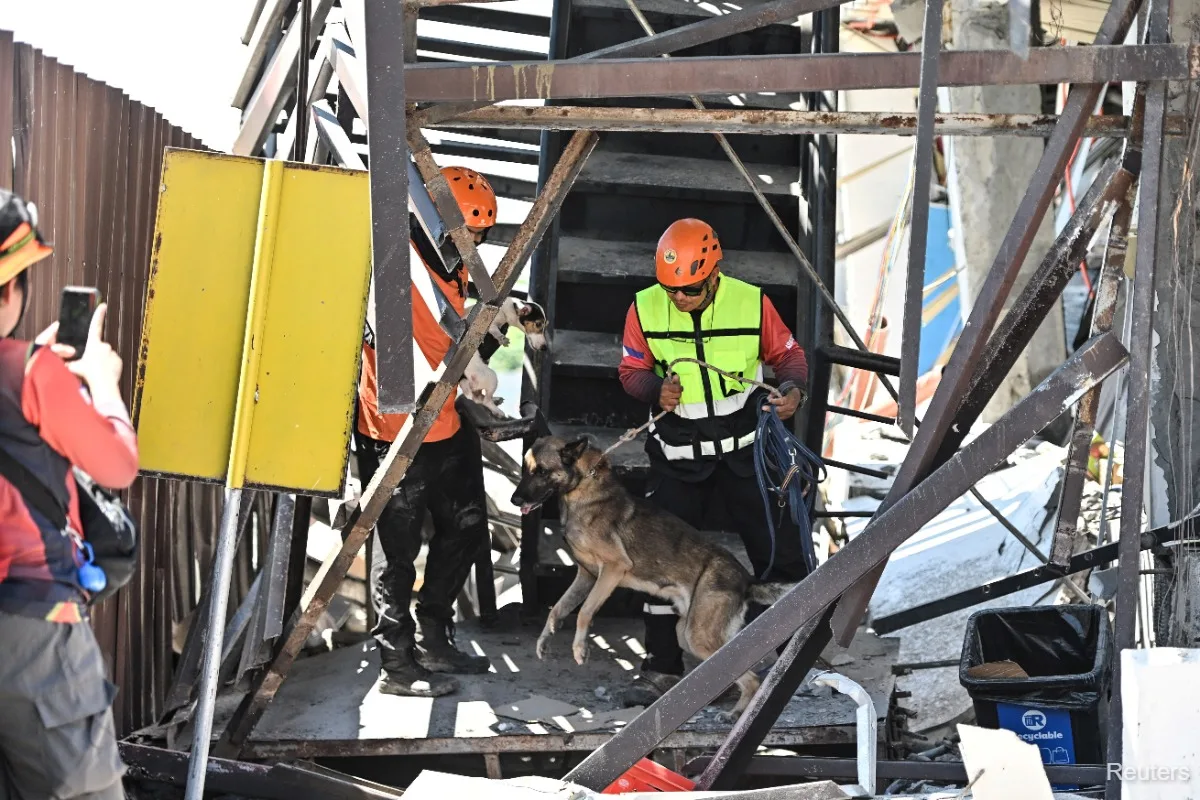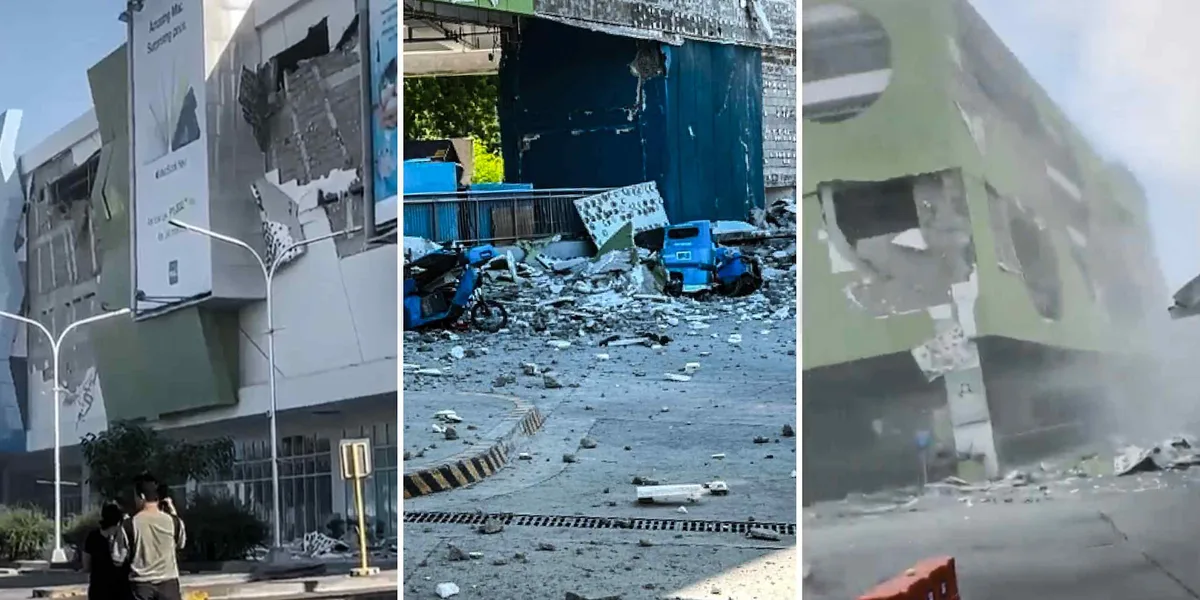
A powerful earthquake measuring 7.8 in magnitude struck off the southern coast of Mindanao, Philippines, on June 8, 2026, with the epicenter located at a shallow depth between 10 and 33 kilometers near Sarangani Province [1, 2, 3, 4]. The tremor caused widespread structural damage, including collapsed buildings in General Santos City and surrounding areas [5, 6, 7, 8, 4, 9, 10].
The quake triggered landslides in Sarangani’s Glan municipality, burying residents and resulting in multiple casualties [6, 7, 8, 4, 9, 10]. The death toll has risen to between 32 and 41, with more than 200 to 450 people injured and several reported missing [5, 6, 7, 8, 2, 4, 9, 10]. Thousands of residents have been displaced as emergency rescue and relief efforts continue amid ongoing aftershocks and damage to critical infrastructure [6, 7, 8, 2].
Rodrigo Sosmena, regional civil defense chief, said, "There are still aftershocks, so the rescuers are very cautious in their approach. That’s a challenge," reflecting the difficulties faced by emergency teams [6]. Phivolcs Director Teresito Bacolcol warned against rushing back into damaged buildings, stating, "This is a major earthquake. People should seek advice before returning to damaged buildings because aftershocks may cause collapse" [4].
Local residents described terrifying scenes during the quake. Eduardo Gutierrez Jr, a casino worker, said, "When I got out the door, the entire apartment row was swaying. We saw walls collapsing, the floors opening up. And then water and mud began spurting up from underneath the flooring" [7]. Rosalynne Singson, another resident, said it was difficult to accept that her home may need demolition, adding, "We were told we’re on top of a fault line" [7].
The earthquake also triggered tsunami warnings in the Philippines, Indonesia, and Japan. The Japan Meteorological Agency issued warnings affecting areas from Ibaraki to Okinawa Prefecture, with tsunami waves up to 30 cm observed along Japanese coasts [1, 2, 11, 3, 12]. The warnings were later lifted in the Philippines after no significant tsunami occurred [2].
The Philippine government placed disaster management on red alert and mobilized teams for rescue and relief operations [2]. The United Nations and humanitarian partners activated emergency response mechanisms, providing aid and coordinating support for the affected population [2]. More than 6,200 schools have been closed as a precaution following the disaster [2].
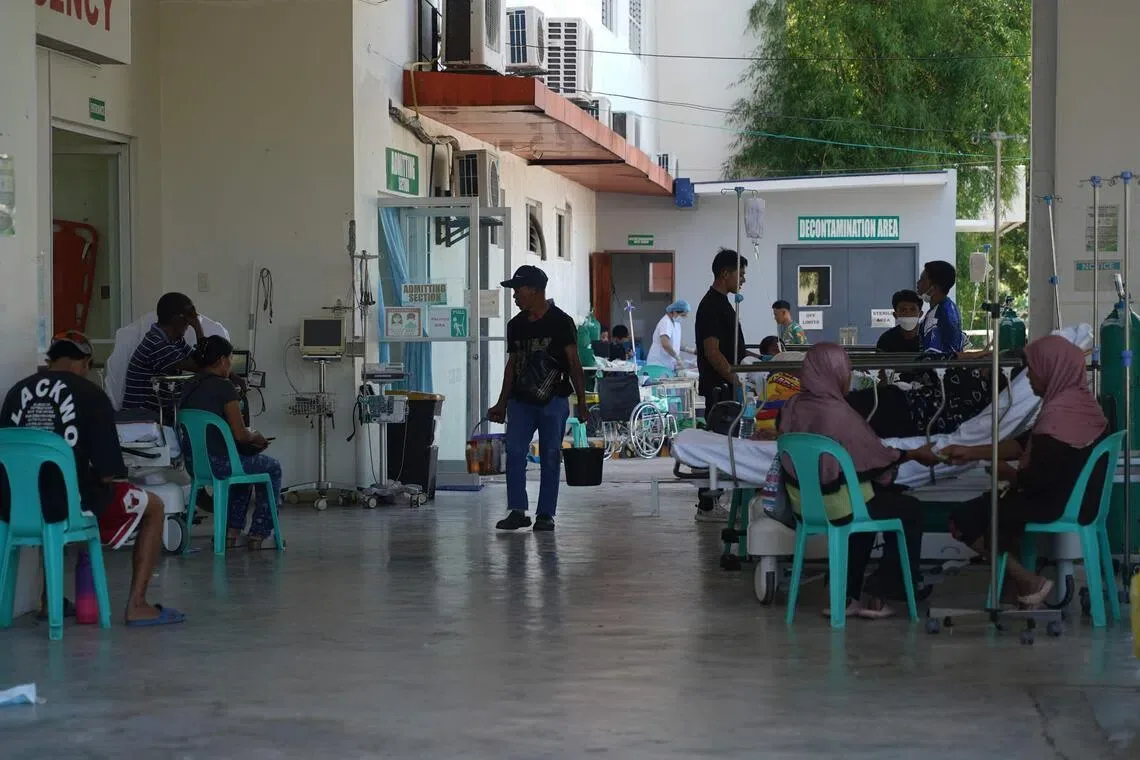
Aftershocks exceeding 100 have been recorded, complicating recovery efforts [6, 7, 8, 2]. On June 9, the death toll rose to 41 as rescue efforts expanded, including the establishment of outdoor hospitals to handle the injured [6, 7, 8]. The United Nations scheduled an emergency humanitarian coordination meeting for ongoing assessment and response [2].