Andy Burnham was appointed UK Prime Minister on July 20, 2026, becoming the seventh British prime minister in a decade [1, 2, 3, 4, 5, 6]. He succeeded Keir Starmer, who resigned after two years amid poor polling and internal party pressure. Starmer said, "I wish him every success. I go with a smile, I go proud of everything we have achieved" [1].
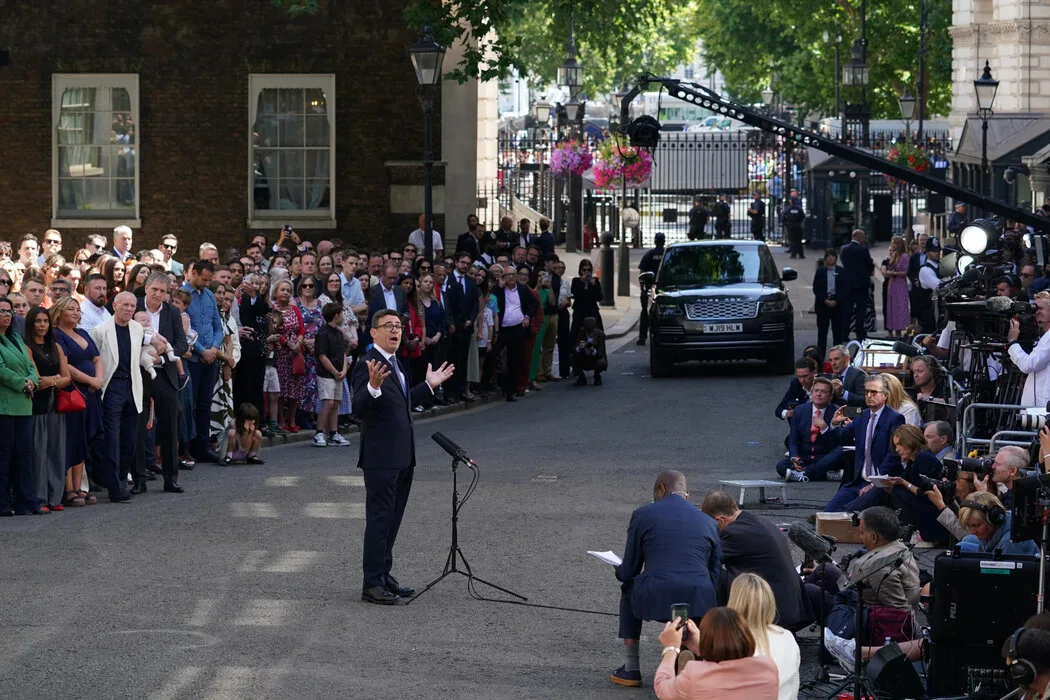
In his inaugural Downing Street speech, Burnham called the moment a "circuit breaker" for Britain and vowed to deliver "the biggest changes in the last 40 years: a new political model and a new economic model" [1]. He acknowledged public frustration: "I know people at home are fed up with politics. I hear you, and I want to be honest with you, we have not been good enough and we need to be better" [4].
Burnham said tackling the cost-of-living crisis was an immediate priority. He announced plans to cut the 5% VAT on domestic electricity bills starting October 1, aiming to reduce the average household bill by about £45 annually, easing pressure on families [1, 2, 3, 7, 8, 9, 10, 11, 6]. "We're taking immediate action to cut taxes on energy bills, put more money in people's pockets and bring back hope," he said [11].
Funding for the VAT cut will come from cancelling a controversial £1.8 billion digital ID program designed to address illegal migration, which faced strong criticism and was previously unfunded. Downing Street confirmed the cancellation would cover the digital ID budget for the next financial year, but former DigitalID minister Darren Jones said money for new policies must be detailed in the upcoming budget [8, 9, 10, 11].
Burnham appointed former Defence Secretary John Healey as Chancellor of the Exchequer after Healey resigned earlier over funding disputes. Ed Miliband became Foreign Secretary, and Shabana Mahmood retained her post as Home Secretary [2, 4, 10].
He pledged to end rough sleeping in Britain as a key early focus and said he would pursue greater decentralization of power from Westminster to regional governments, drawing on his decade as Greater Manchester mayor [3, 4, 7, 10, 5]. Burnham also affirmed continued UK support for Ukraine amid its conflict with Russia [3, 10].
Internationally, Burnham contacted leaders including Donald Trump, Volodymyr Zelenskyy, and Ursula von der Leyen to affirm diplomatic ties. European figures such as von der Leyen and Emmanuel Macron welcomed his appointment and expressed hopes for closer EU-UK cooperation [2, 10, 12].
On July 21, Burnham held his first cabinet meeting and announced the energy VAT cut alongside his key cabinet appointments. He urged ministers to find every possible way to ease cost-of-living pressures for citizens [2, 4, 8, 9, 10, 11].