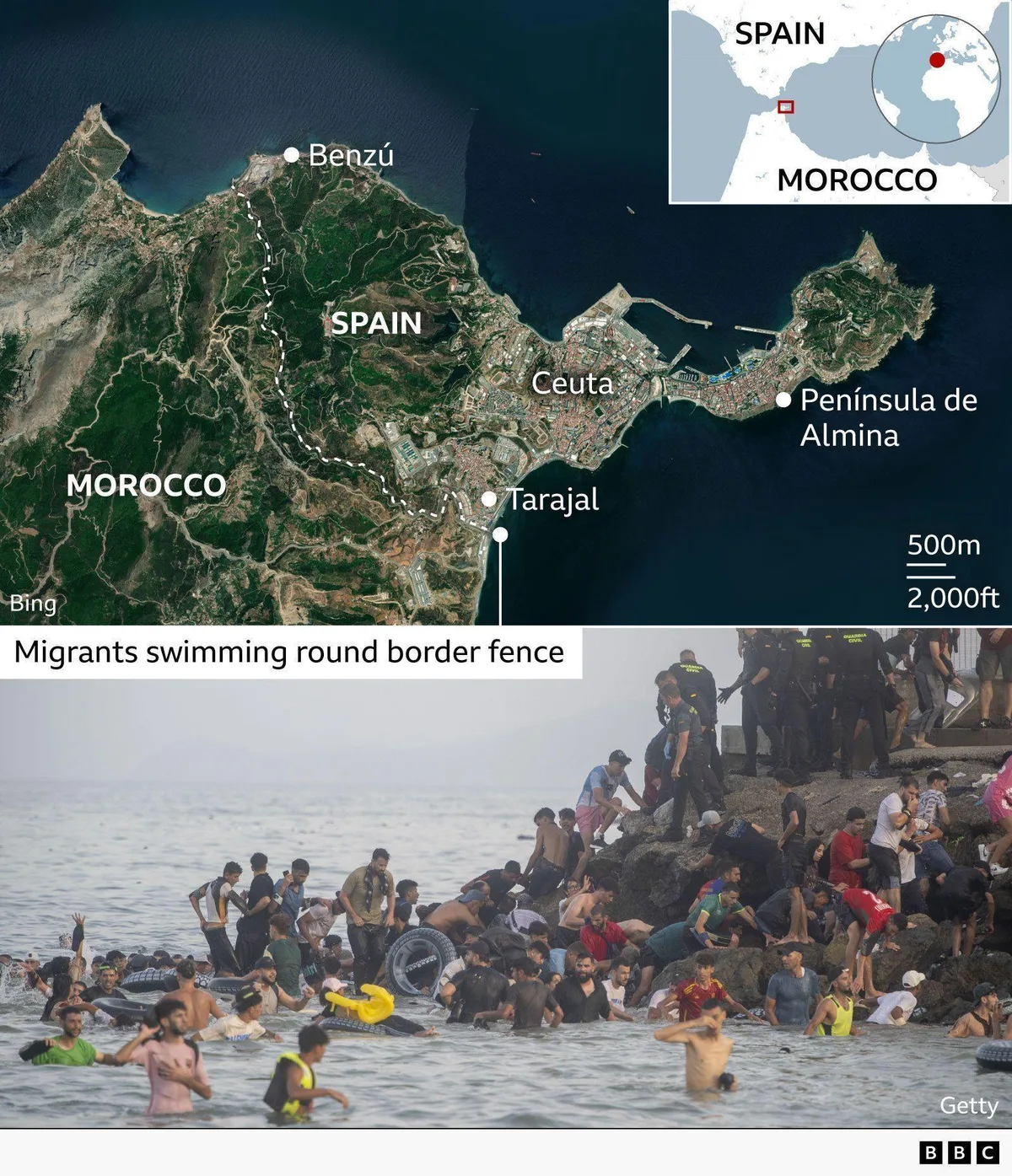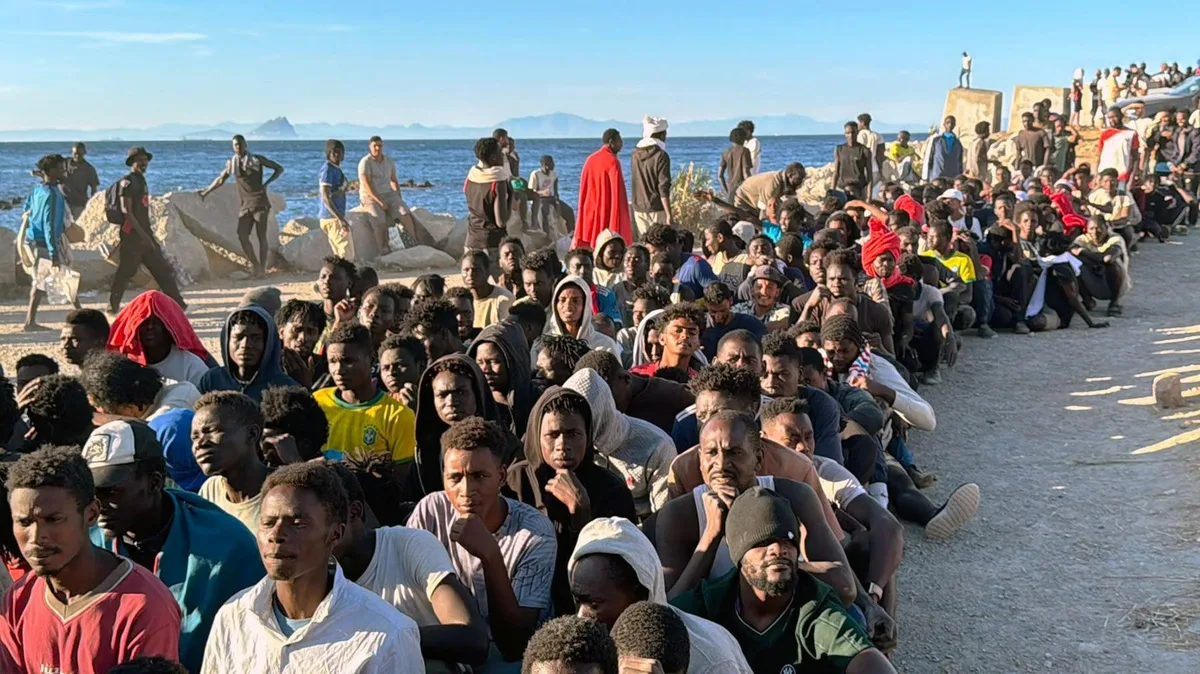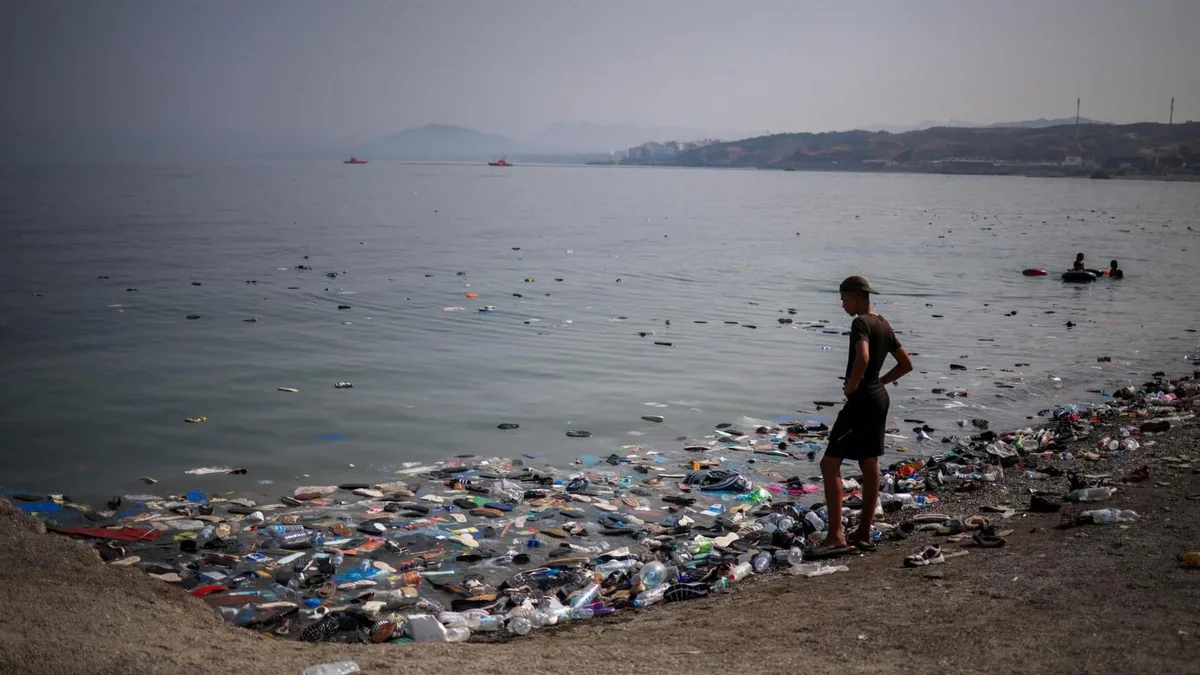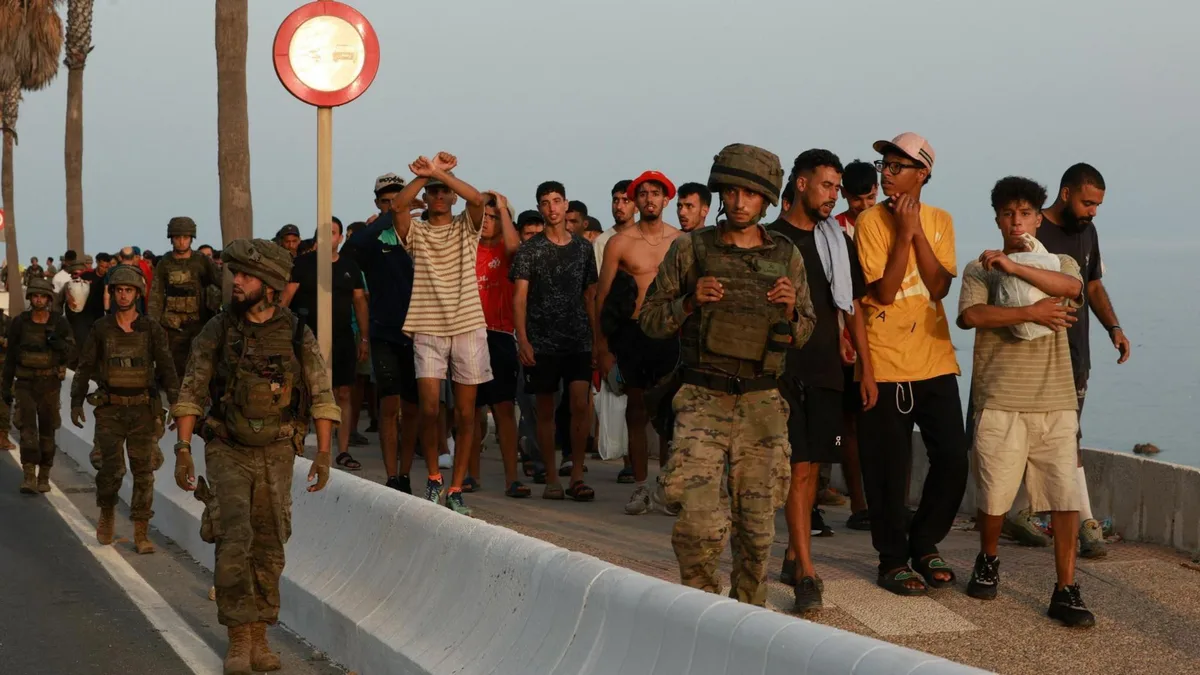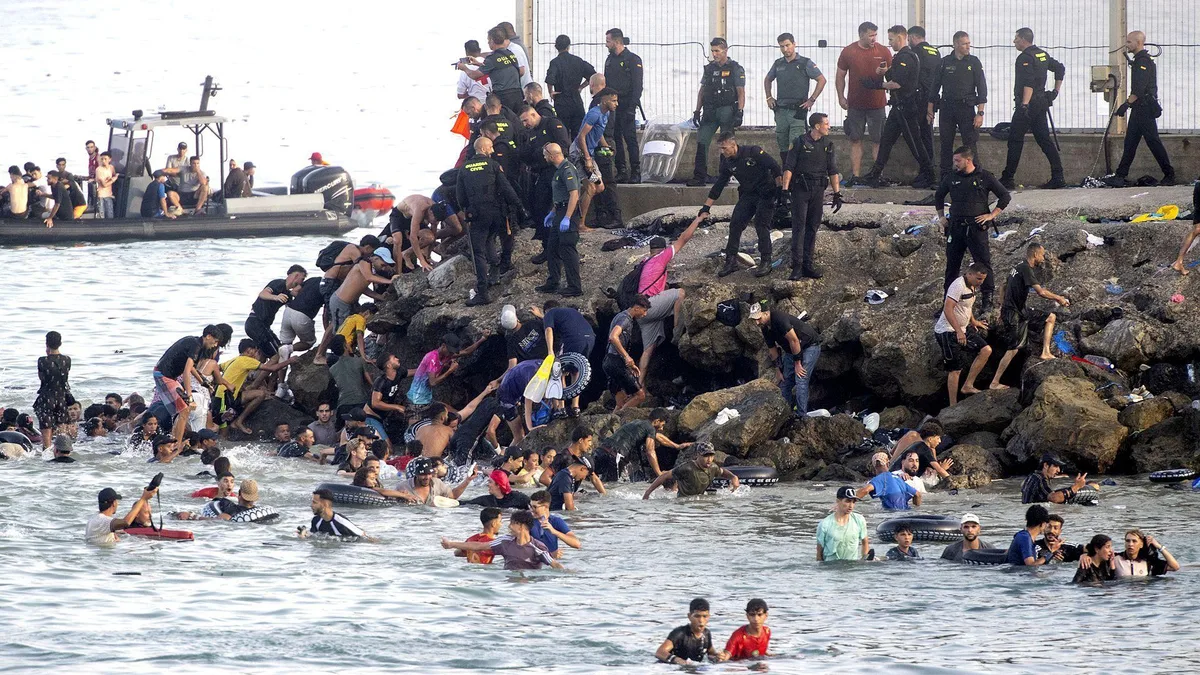
Approximately 60,000 migrants from Morocco entered the Spanish North African enclave of Ceuta over a few days from July 29 to 31, 2026, overwhelming the small territory with an estimated population of 80,000 to 85,000 residents [1, 2, 3]. Migrants crossed by sea swimming with inflatable devices and on foot through border fences where local Moroccan security withdrew [4, 5, 6, 7].
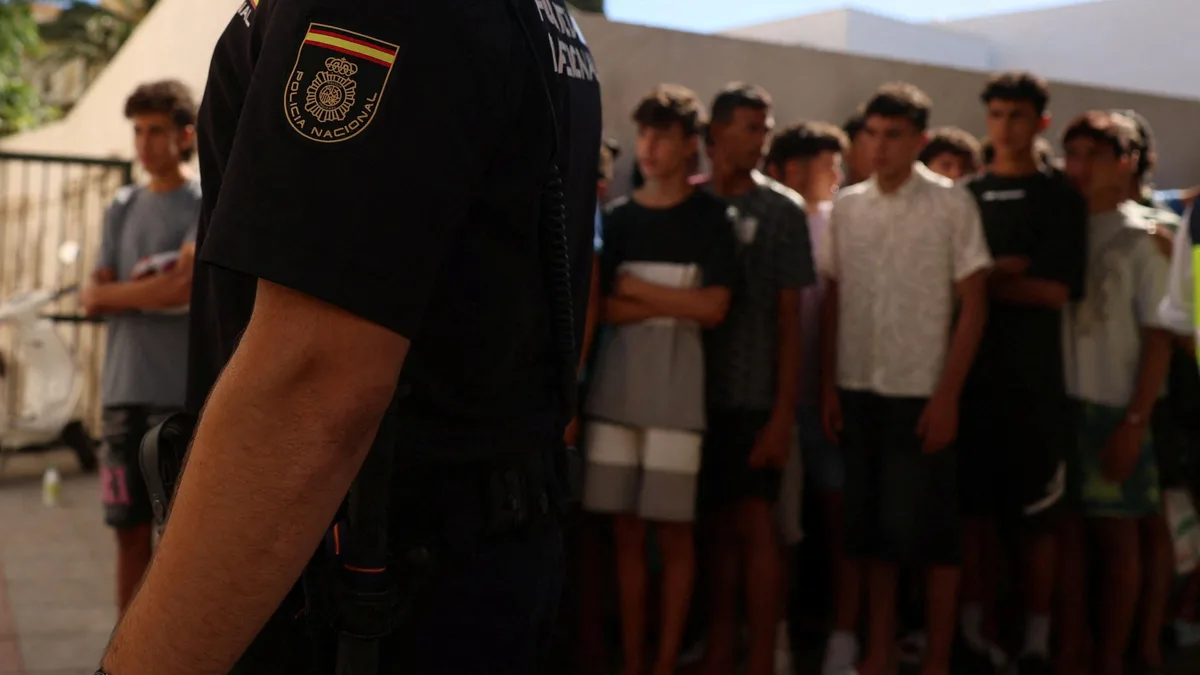
The surge peaked on July 30, although sources diverge on numbers. Some reports say around 49,000 crossed that day, while others claim only 2,000 to 3,000 entered that Thursday [4, 5, 1, 6, 8, 7]. The crossing caused severe strains, with local reception centers severely overcrowded and thousands of unaccompanied minors registered [4, 9]. Spain allocated about €25 million to assist migrant children but faced difficulties relocating them to the mainland [9].
The crisis resulted in at least 67 to 75 deaths, including drownings and deaths in crushes during the crossings. Some sources reported as few as 18 fatalities, but most agree the toll was significantly higher [2, 10, 11, 9, 8]. After the influx began on July 29, Spain and Morocco reinforced border fences and deployed security forces between July 30 and August 1 to stem the flow [7].
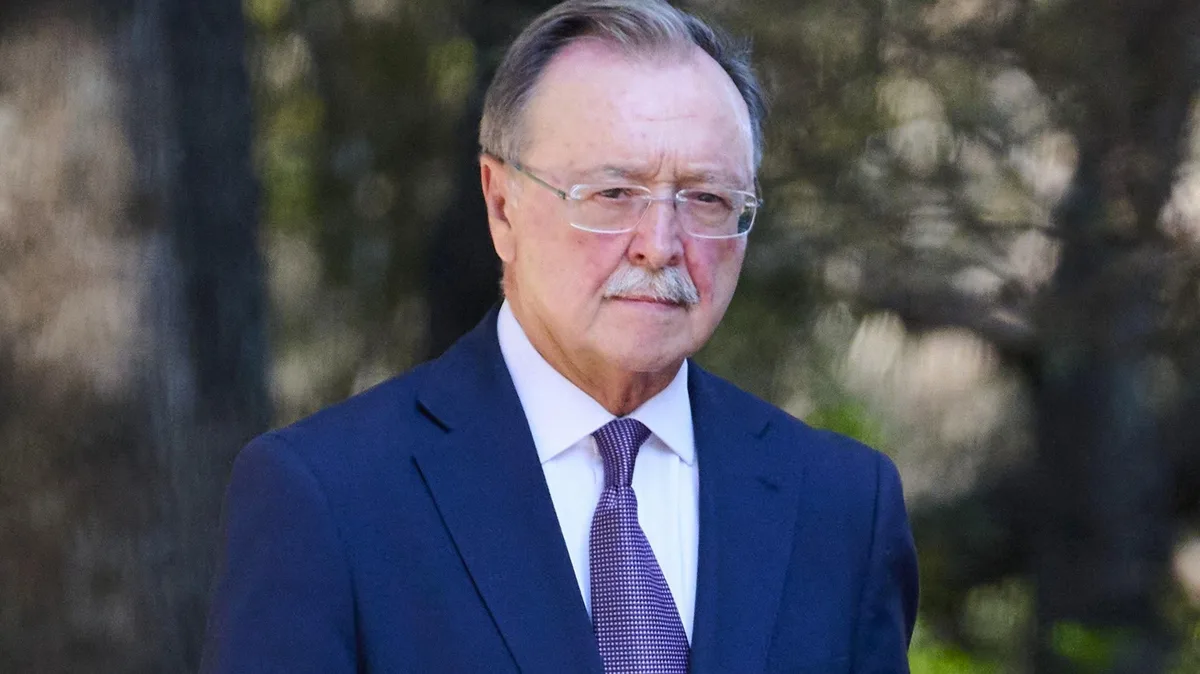
Spanish authorities and military restored border control within about 48 hours and started mass returns of migrants to Morocco. An estimated 70,000 to 75,000 people voluntarily returned shortly after arriving, leaving about 3,000 to 5,000 migrants remaining in Ceuta after the main wave passed [1, 11, 9]. Local leader Juan Jesús Vivas said, "The fact that we don't have numbers on how many are still in Ceuta shows how few resources we have to deal with this situation" [9]. Interior Minister Fernando Grande-Marlaska noted that "almost all of [the migrants] have already left Ceuta. Businesses have now reopened" [12].
The surge partly stemmed from a Spanish Supreme Court ruling on July 8 limiting immediate deportations of migrants arriving by sea and possibly from Moroccan authorities easing border enforcement [12, 7, 3].
The crisis sparked divisions within the European Union. Italy suspended the Schengen agreement with Spain, a move supported by several other countries [2, 12, 10, 11]. Spanish Prime Minister Pedro Sánchez condemned the criticism from some EU members as "selfish, polarising and unlawful," emphasizing that Ceuta is not part of Schengen and border controls had been restored. Sánchez said, "While most had showed support and solidarity, other European governments had chosen to attack Spain, driven by prejudice, fake news, ignorance, or political interest" [2, 12, 10, 11]. European parliamentarian Jim O’Callaghan said, "The EU stood in solidarity with Spain and migration requires a united European response" [11].
Spanish Prime Minister Pedro Sánchez and Interior Minister Fernando Grande-Marlaska visited Ceuta on July 31 to assess the situation [4, 8, 7]. The EU held emergency talks starting August 4 to discuss the migrant crisis and border management [12, 11].
The immediate priority remains managing the 3,000 to 5,000 migrants still in Ceuta and providing humanitarian aid, as well as coordinating returns to Morocco.