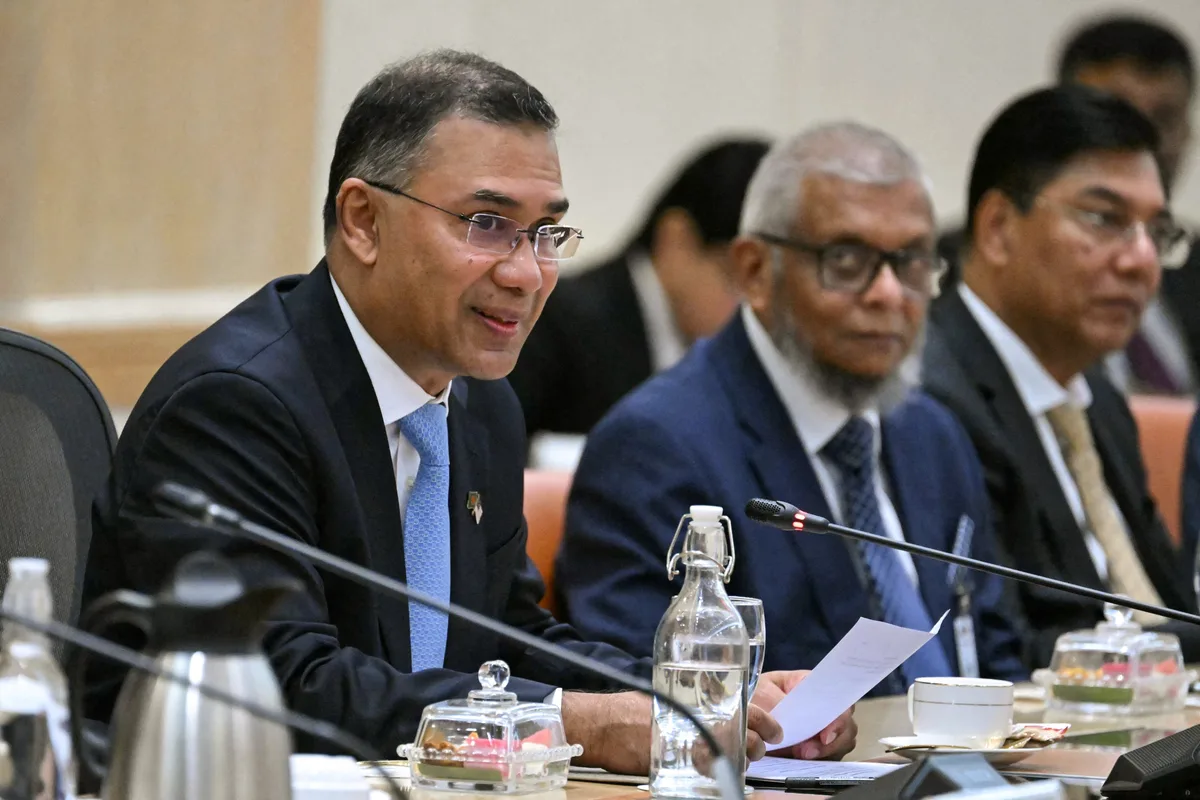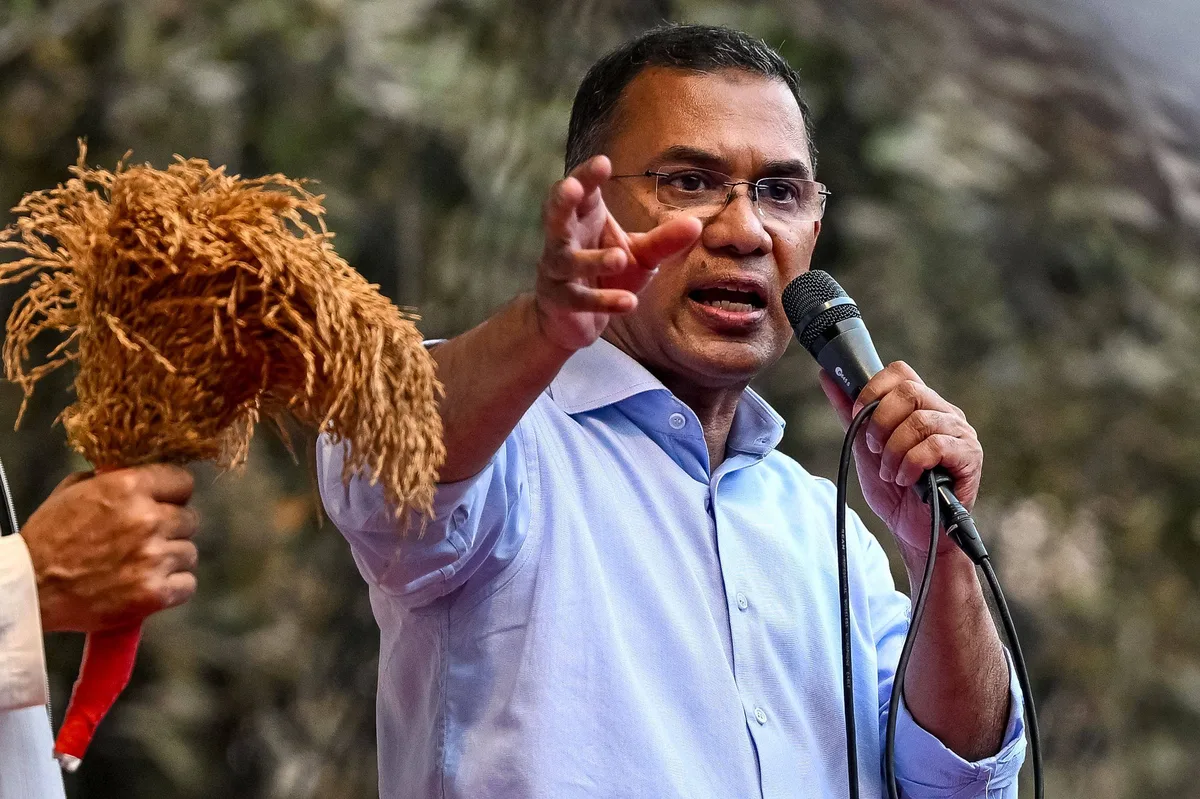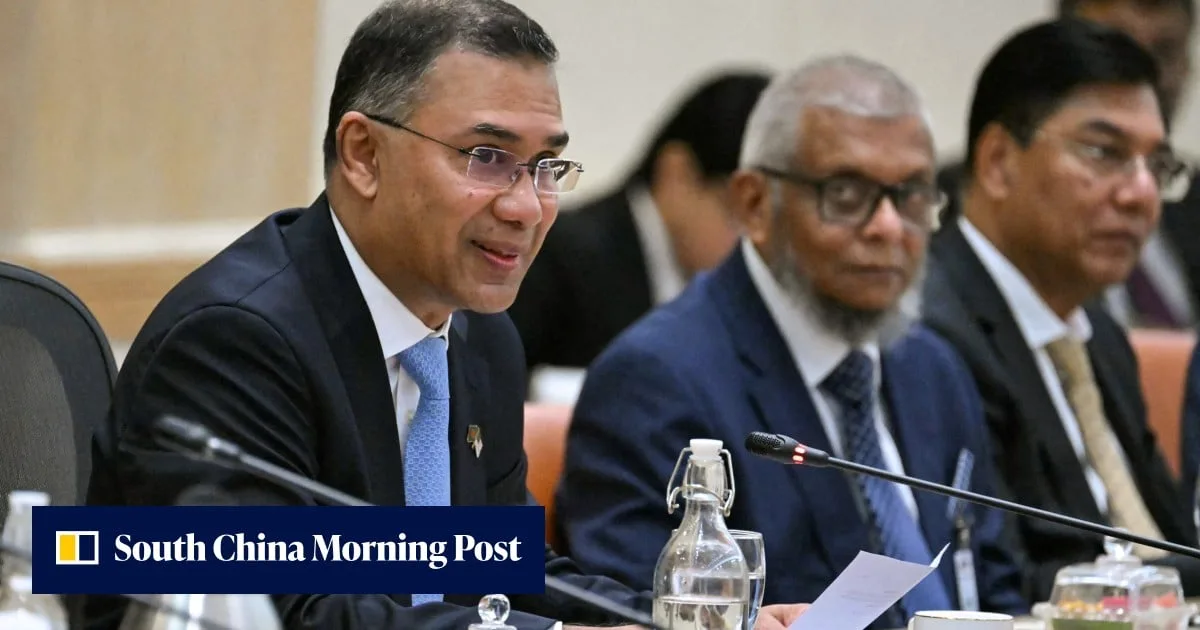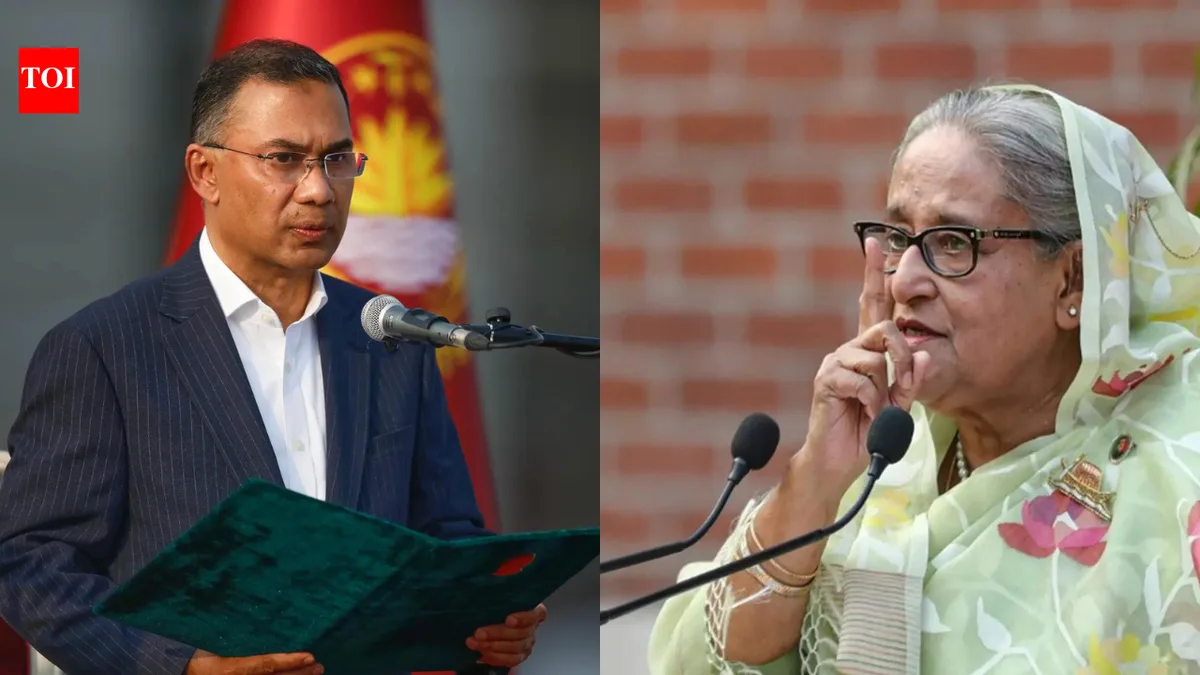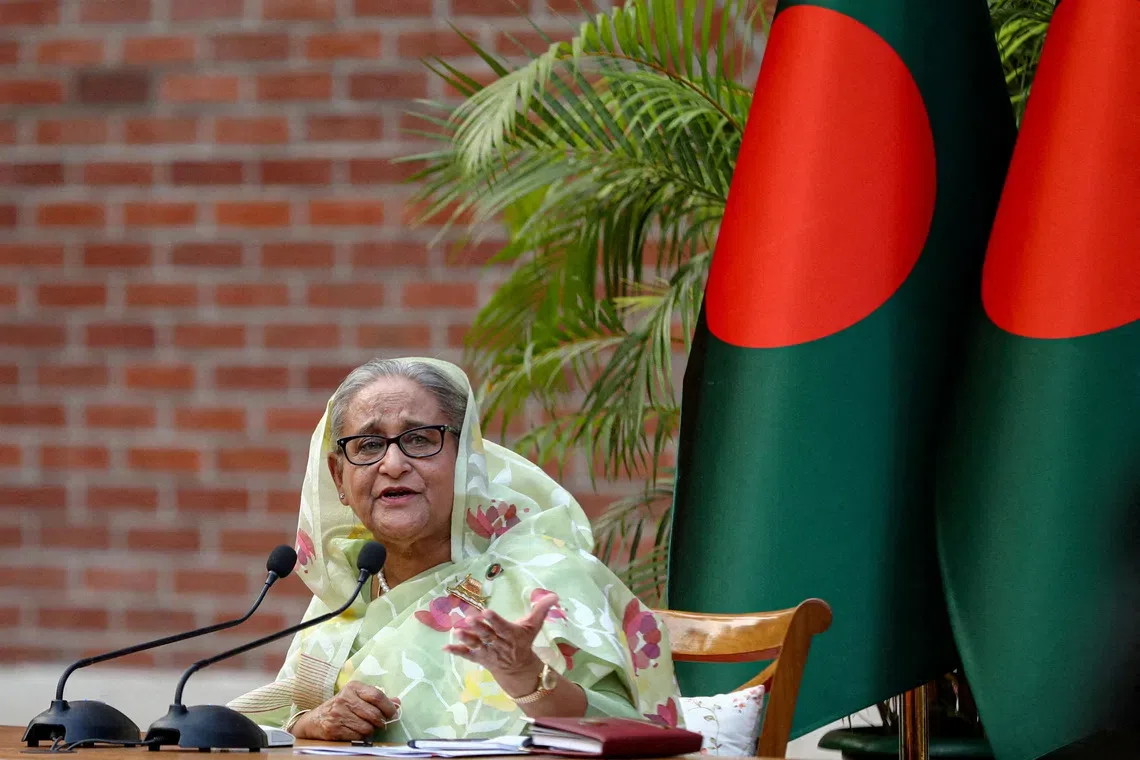
Bangladesh Prime Minister Tarique Rahman announced August 16 that he will not travel to India until New Delhi extradites former Bangladeshi premier Sheikh Hasina, who fled to India during a 2024 uprising and currently resides there [1, 2, 3].
Hasina faces the death penalty in Bangladesh after being convicted of crimes against humanity, prompting repeated formal extradition requests by Dhaka to the Indian government [1, 2, 3]. Bangladesh’s foreign ministry official A.K.M. Shahidul Karim said, "We are of the view that a propitious environment needs to be created for the visit. To this end, we have urged the Indian authorities to expedite their efforts to extradite Sheikh Hasina and other fugitives" [1, 2, 3].
India has stated that Hasina's extradition request is under examination but has not committed to a timeline [1, 3]. Hasina has made public statements from India, which Bangladesh objects to and says complicates the diplomatic environment ahead of any visit [1, 3].
Since taking office in February 2026, Rahman has visited China and Malaysia but has not followed the traditional practice of traveling first to India as Bangladesh’s closest neighbour [1, 3]. Recent talks between Rahman and Indian High Commissioner Dinesh Trivedi have covered Rahman's possible visit to India and efforts to speed up the extradition [1, 3].
Bangladesh hopes to pursue a foreign policy prioritizing sovereignty and non-interference while maintaining mutually beneficial relations with India [1]. Discussions between the two countries may also address border management, trade, visa normalization, water-sharing, security, minority protection, and Bangladesh’s ties with China and Pakistan [3].
Reports speculate a possible Rahman visit to India between August 20-25, 2026, but the visit remains unconfirmed amid outstanding extradition issues [3]. The Bangladesh foreign ministry reiterated its position on August 16 that Rahman will not visit until Hasina is extradited and called again on Indian authorities to expedite the process [1, 2, 3].