Beijing authorities prohibited victims’ families from jointly visiting the Wan’an Cemetery on the 37th anniversary of the Tiananmen Square incident on June 4, 2026, forcing them to apply individually and be accompanied by police for any visit [1, 2, 3, 4]. One family member asked, “Will future Qingmings and June 4ths also stop us from going? Even a small way to express grief?” [1].
Group memorials under the banner of the “Tiananmen Mothers” were banned, with police presence required to oversee visits [1, 2, 3, 4]. The “Tiananmen Mothers” activist group, formed by victims’ relatives, issued a memorial article signed by 107 members, including 80 deceased, calling for full disclosure of the 1989 crackdown, compensation for victims’ families, and prosecution of responsible officials [5, 6, 7]. The group’s spokesperson You Weijie said, “We will go around 8 a.m. with five or six families. What we want to say is already expressed in our memorial text. This is something the government must address.” [5] Victim’s mother Zhang Xianling lamented, “My child is my child... why can’t I see him?” [5].
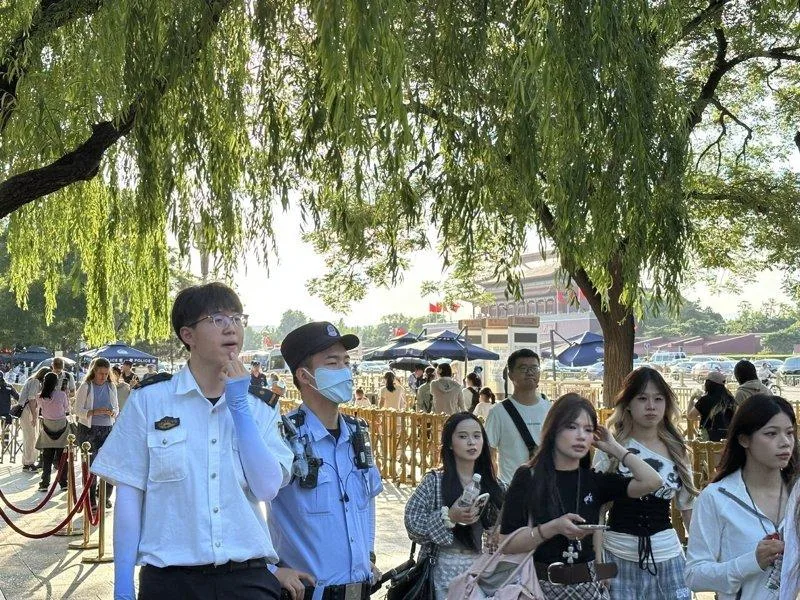
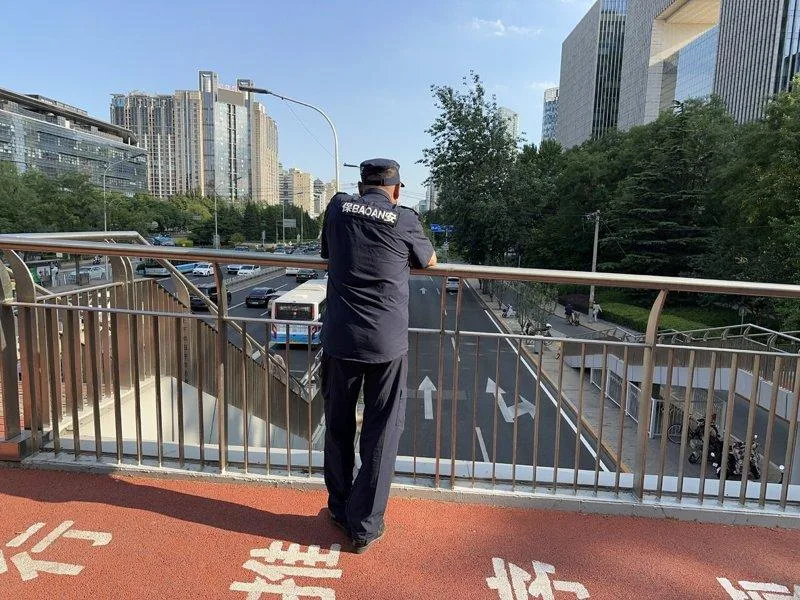
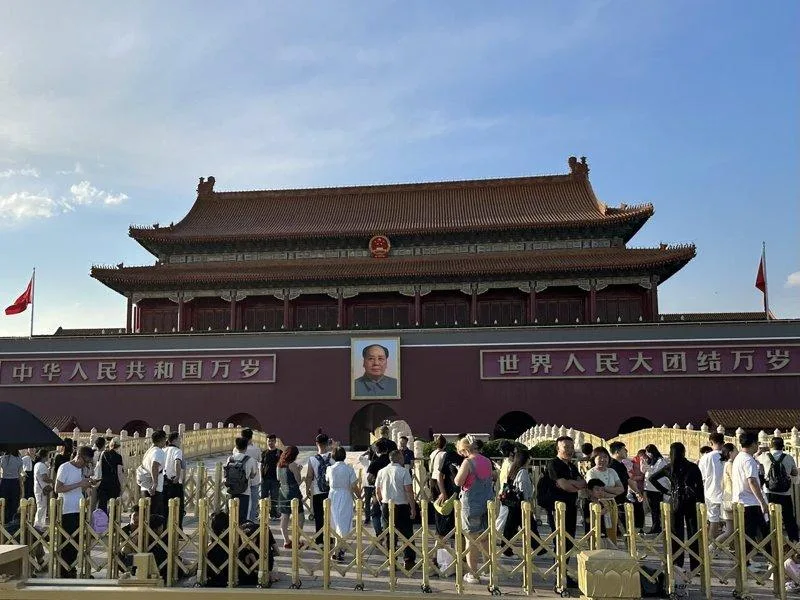
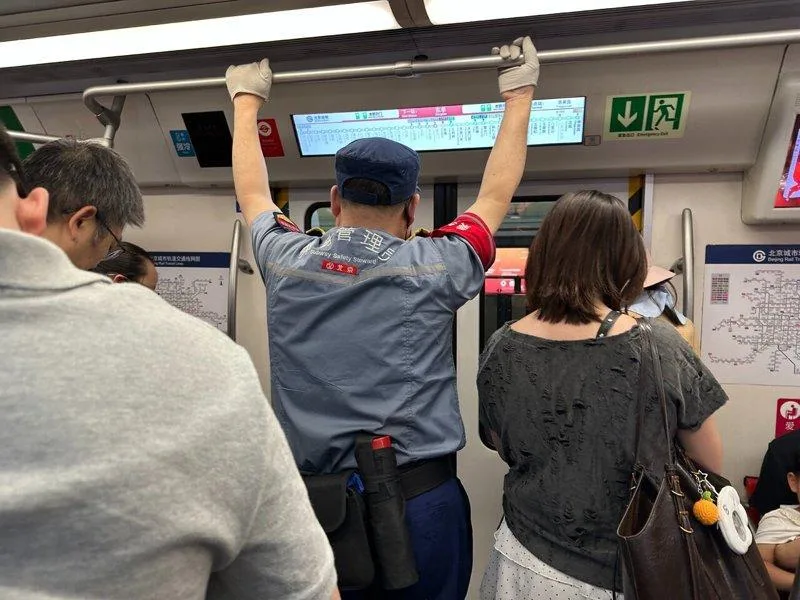
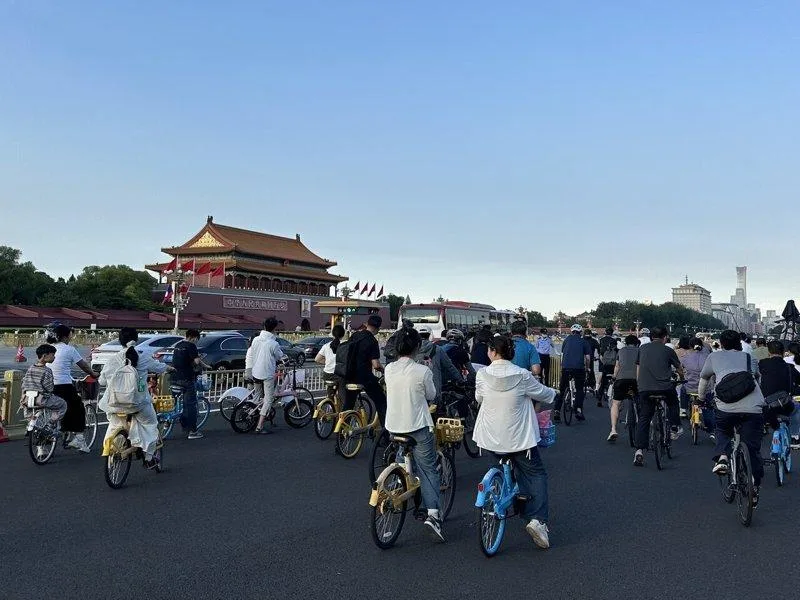
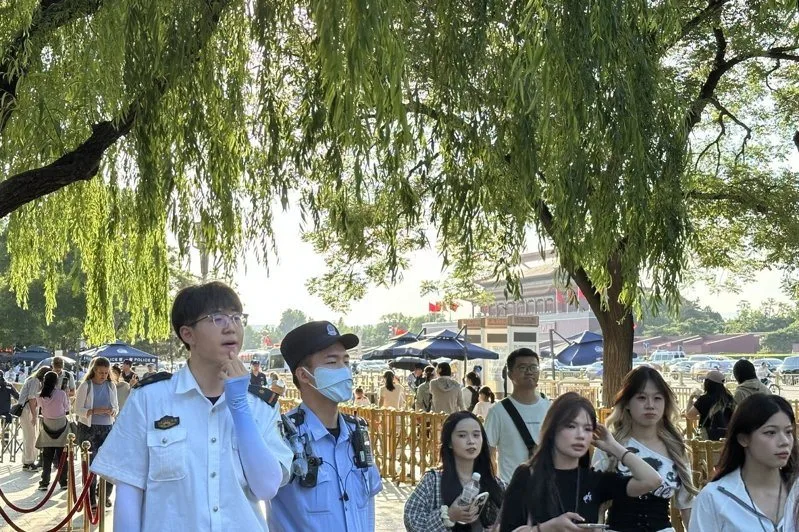
Security near Tiananmen Square and surrounding areas was sharply increased on June 4, including identity checks, reservation requirements, and a heavy police and paramilitary presence. “Bridge watchers” returned to patrol key locations to prevent protests [2, 8]. The British Embassy posted a “Tank Man” video on Chinese social media that was quickly taken down by authorities [2, 8].
In Hong Kong, police swiftly stopped public commemorations including symbolic art performances, citing public order and national security concerns [9]. Taiwan President Lai Ching-te urged Beijing to “acknowledge the truth, offer healing, and open dialogue,” calling the 1989 crackdown not just an assault on lives but on a generation’s democratic aspirations [2, 10, 8]. The Democratic Progressive Party condemned ongoing repression in China, highlighting the arrest of media tycoon Jimmy Lai and other human rights abuses [11].
The US State Department and congressional committees condemned China’s denial of the Tiananmen massacre and urged the release of detainees jailed for commemorating the event [4]. US Secretary of State Marco Rubio said, “History cannot be erased, and those who sacrificed will one day receive justice.” [2]
Families and activists noted that official narratives have shifted but still avoid acknowledging the military’s violent crackdown and civilian deaths [5, 6, 7]. The memorial text recalled reformist General Xu Qinxian, who refused to fire on civilians and was imprisoned for 5 years for his stance [5, 6, 7].
The anniversary was marked by tightened surveillance from at least late April 2026, restrictions on contact with foreign media, and physical monitoring of human rights advocates [3, 7]. Many founding members of the Tiananmen Mothers have died over the years, including recently the father of victim Xiong Zhiming, who passed away aged 87 in May 2025 [5, 6].
On June 1, Beijing police notified victims’ families of the ban on group cemetery visits and the police accompaniment requirement [1, 3, 4]. Taiwan’s Mainland Affairs Council urged reforms and human rights respect on June 3, while the same day Hong Kong artist Chen Sanmu was briefly detained for attempting a public memorial act [12, 9].
The anniversary passed without public memorial events allowed in Beijing; authorities maintained strict checkpoints and police patrols [2, 8, 4]. The next prominent date for victims’ families to request individual cemetery visits has not been publicly announced.