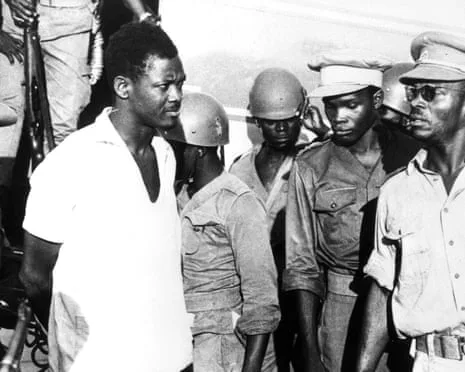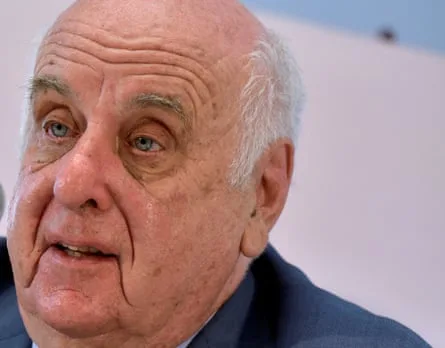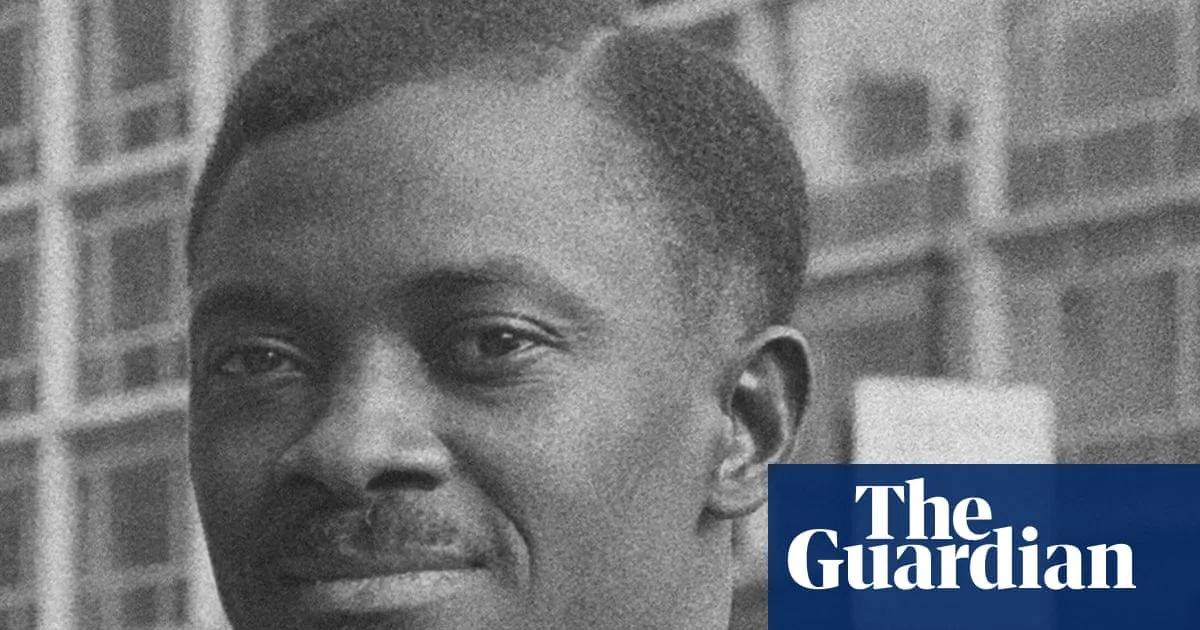
Étienne Davignon, a 93-year-old former Belgian diplomat and European commissioner, died on June 1, ending legal proceedings against him related to the 1961 murder of Patrice Lumumba, the first prime minister of the Democratic Republic of the Congo [1, 2].
Davignon was the first person charged in Belgium over Lumumba's killing, accused of participating in Lumumba’s unlawful detention or transfer and depriving him of an impartial trial, as well as being implicated in the murder of Lumumba’s political allies Maurice Mpolo and Joseph Okito [3, 1, 2]. Lumumba was ousted and then assassinated by Belgian-backed secessionist rebels on January 16, 1961, just months after Congo gained independence from Belgium in 1960 [3, 1, 2].
At the time of his death, Davignon was awaiting the outcome of an appeal against the court’s decision to order him to stand trial for these allegations, which include war crimes [3, 1, 2]. He was the last surviving accused person in the investigation, which saw cases against other suspects closed due to their deaths [3, 1, 2].
Born a viscount, Davignon had a long career in Belgian politics and business after his Congo assignment. He served as cabinet chief to Prime Minister Paul-Henri Spaak in the late 1960s and as European commissioner from 1977 to 1985. In 2018, King Philippe elevated him to the rank of count [3, 1, 2].
Lumumba’s family welcomed the Belgian court’s decision to prosecute Davignon. They said his death does not mark the end of their quest for justice, with family lawyers considering filing a civil suit against the Belgian government over the assassination [3, 2]. The family said, “For our family, this is not the end of a long fight, it is the beginning of a reckoning that history has long demanded” and “最後一名被告的死亡並不代表歷史真相的終結” [3, 2].
Patrice Lumumba became Congo’s first prime minister in 1960 and was killed in 1961, 65 years ago. Belgian courts ordered Davignon to stand trial in March 2026 before his death six months later brought the proceedings to a close [3, 1, 2].