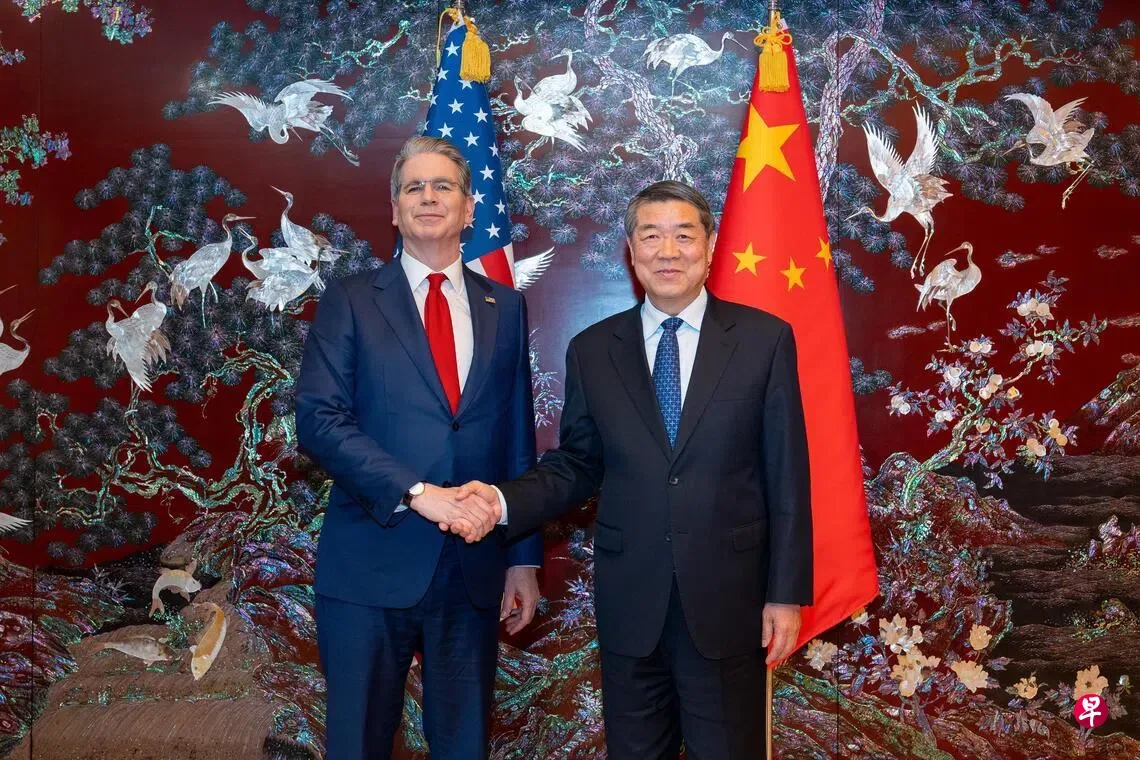
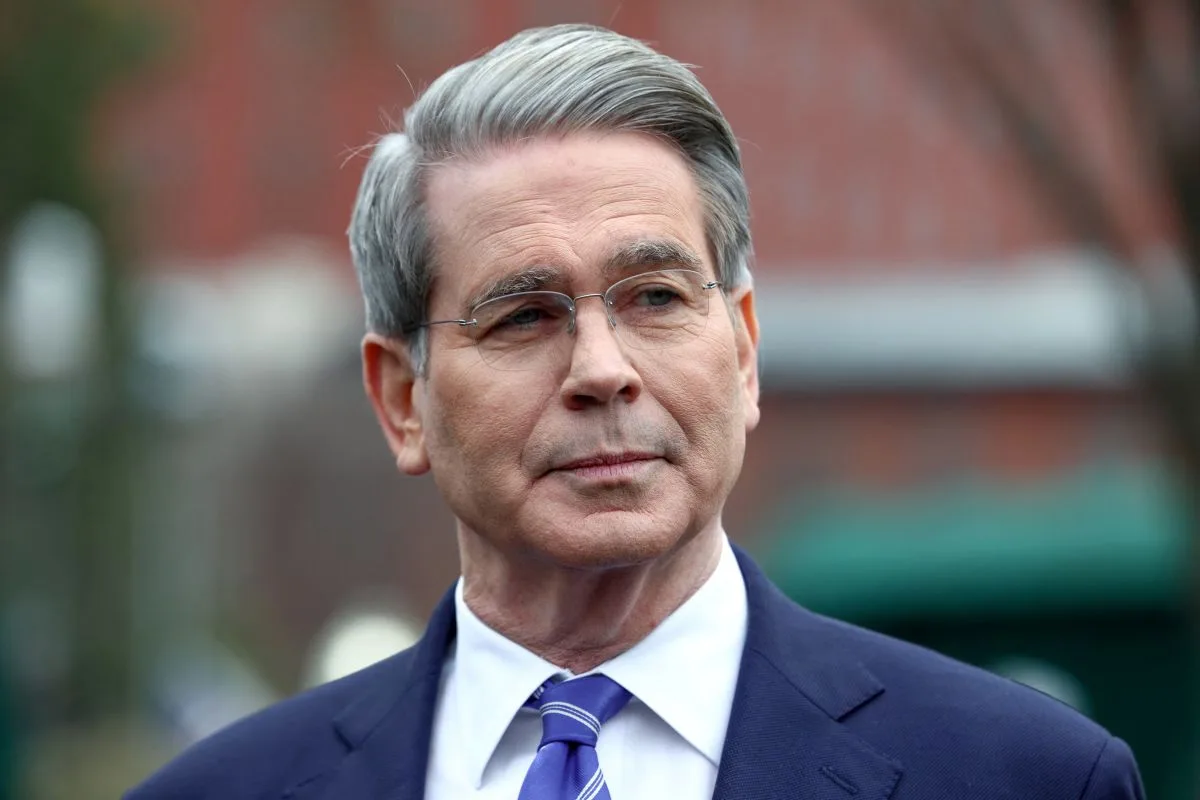
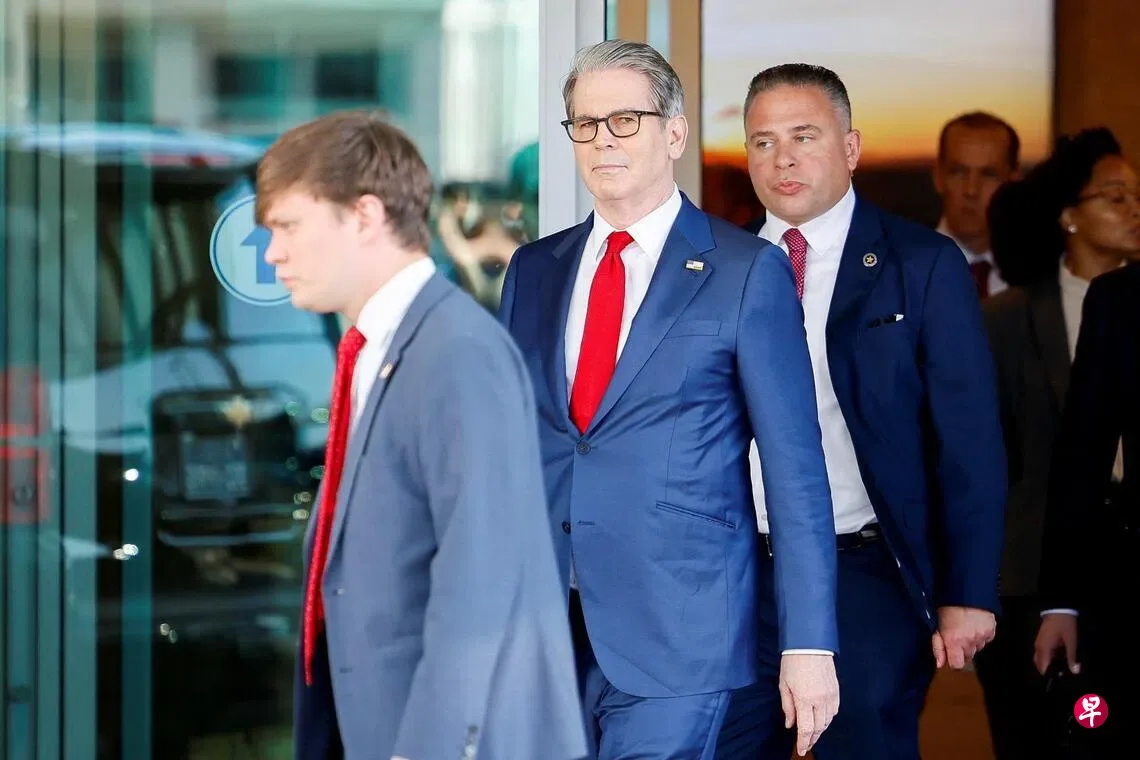
Chinese Vice Premier He Lifeng arrived in South Korea on May 12 to begin trade negotiations with US Treasury Secretary Scott Bessent, who arrived a day later after visiting Japan [1, 2, 3]. The two met at Incheon International Airport on May 13 and held talks lasting about three hours until mid-afternoon [4, 5, 6, 7, 8].
The discussions aimed to address mutual trade concerns and expand cooperation, guided by consensus between the US and Chinese leaders [1, 4, 9, 10, 8]. South Korean President Lee Jae Myung met both He and Bessent separately on May 13, discussing ways to improve China-South Korea relations [2, 3, 11].
Key topics included tariffs, technology export restrictions especially on semiconductors, market access, agricultural products, Boeing airplane orders, energy purchases, the Iran conflict, and trade mechanisms [3, 4, 12, 5, 6, 7, 8]. Following the talks, China’s Ministry of Commerce said it is willing to work with the US on expanding cooperation lists while reducing problematic issues to promote stable trade relations. A spokesperson said, “Next, China will work with the US based on equality, respect, and mutual benefit, continuously lengthening the cooperation list and compressing the problem list to push Sino-US economic and trade relations toward healthy, stable, and sustainable development” [9, 12, 10].
The talks were exploratory without immediate breakthroughs as both sides remained cautious due to domestic political pressures and strategic interests. Kim Tae-hwang, a professor of international trade at Myongji University, said, "Both sides are essentially in a holding pattern ahead of the summit, sounding each other out, rather than seeking breakthroughs" [3, 7].
Preliminary trade intentions reportedly include China planning purchases of US soybeans, beef, Boeing planes, energy, and finance licenses such as the securities license for Citibank. The US also approved Nvidia’s sale of AI chips to Chinese companies, reflecting some easing of export controls [12]. However, after briefly extending export licenses to hundreds of US beef processing plants, China reversed the decision on the same day [12].
The trade talks served as a precursor to the US-China summit scheduled for May 14-15 in Beijing between President Donald Trump and President Xi Jinping [1, 2, 3, 4, 9]. President Xi stated, "The essence of Sino-US economic and trade relations is mutual benefit and win-win. Faced with differences and frictions, equal consultation is the only correct choice" [9]. US Treasury Secretary Bessent indicated that during the summit, Boeing is expected to announce large airplane orders from China [12].