Britain announced it will delay a planned increase in motor fuel duty originally set for September until the end of 2026. The government had scheduled a 1 pence per liter rise in September, followed by 2 pence increases in December and March 2027 [1, 2].
The postponement aims to ease cost pressures on drivers caused by surging fuel prices after the war in Iran began in late February 2026. Since then, petrol prices have jumped by about 26 pence, or 20%, to 157 pence per liter. Diesel prices have risen 32% to 187 pence per liter [1].
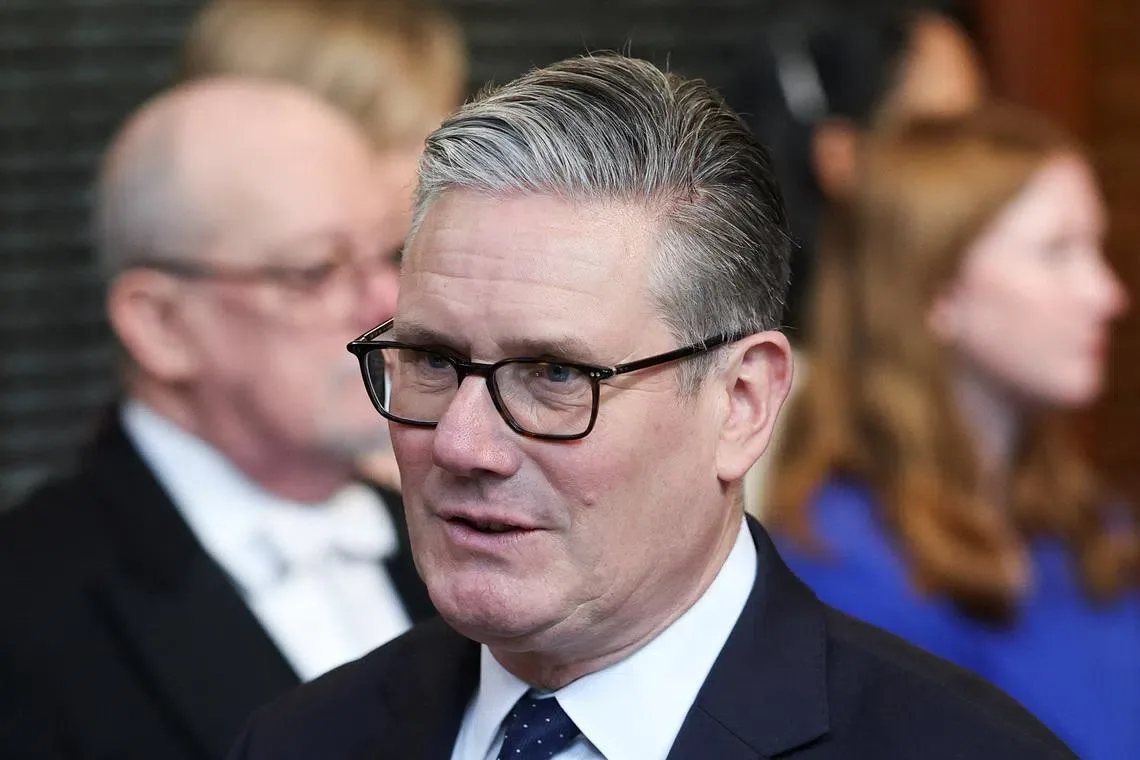
Prime Minister Keir Starmer announced the delay on May 20, saying the government will maintain current fuel duty rates through the end of the year [1]. This measure follows political pressures after Labour's poor local election results and recent government resignations [1].
In addition to delaying the duty hike, the government unveiled a 12-month road tax holiday for hauliers and cut red diesel duty by over one-third until the end of 2026 [1]. Chancellor Rachel Reeves said "strong growth at the beginning of the year had allowed her to step in to protect people at the pump" [1].
The support package totals more than £400 million. It is partly funded by raising the electricity generator levy from 45% to 55% starting in July 2026 [1].
The fuel duty increases had been part of a schedule with a 1 penny rise in September and further 2 pence rises set for December and March 2027, but these will now be reconsidered after the end of the year [1]. The higher electricity generator levy to help fund these measures is planned to begin in July [1].