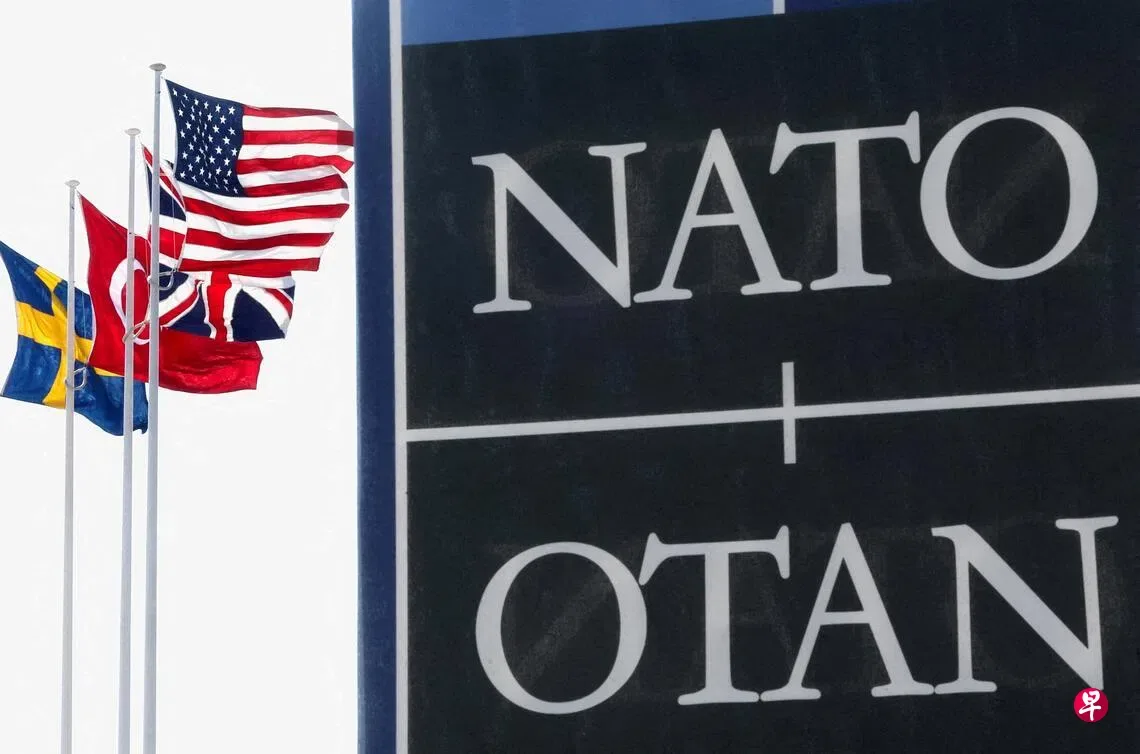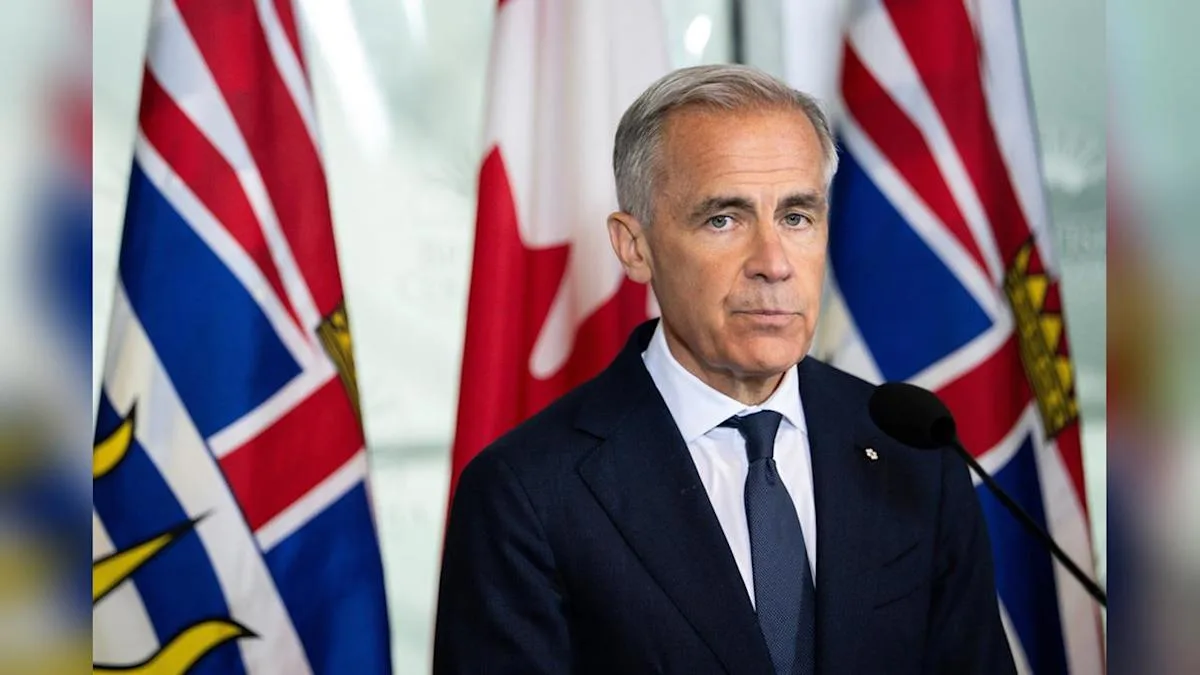
Canada will announce the founding members of the Defence, Security and Resilience Bank (DSRB) during the NATO summit held in Ankara, Turkey, on July 7 and 8, 2026 [1, 2, 3, 4, 5]. The initial group is expected to include Canada and about nine other countries, mostly European, with Luxembourg publicly committed to join and hosting the bank’s European headquarters [1, 2, 3, 4, 5]. Canadian chief negotiator Isabelle Hudon said, "We gave ourselves the NATO summit as a deadline ... What we are aiming to announce is the list of founding members" [6].
The DSRB aims to raise up to £100 billion (approximately US$133 billion or 4.3 trillion New Taiwan dollars) to provide affordable financing for allied nations to fund defense, security, and resilience projects [6, 1, 2, 3, 4, 5]. Canada may contribute up to €1.5 billion, while smaller economies would provide capital proportional to their size, between €0.5 billion and €0.75 billion [1, 2, 3, 4, 5]. However, the funding issue remains challenging, as Hudon noted, "The funding issue is the most challenging part of the decision" [1]. Canada also aims to reduce dependence on U.S. military spending by promoting the bank and a middle powers alliance [6, 2, 5].
Several other countries are still evaluating the proposal. Germany and South Korea are observers or assessing potential participation; South Korea’s chances to join are estimated around 50% [6, 2, 3, 4, 5]. Turkey, Italy, Spain, Belgium, and Ukraine are conducting in-depth evaluations. Turkey has expressed interest but made no official comment [2, 3, 4, 5]. The U.K. and Netherlands have declined to join, preferring alternative defense financing mechanisms such as the U.K.-led Military Development Mechanism with Finland and the Netherlands [1, 3, 5].
The bank’s success will depend on support from countries that can secure AAA credit ratings to back the financing [6, 3, 5]. It will also face competition from existing European defense financing programs like the EU’s SAFE initiative [1, 3, 5].
John Fragos, a Canadian Finance Ministry spokesperson, said, "We hope to achieve a breakthrough before the NATO summit but there remain many details to coordinate; the advantages of the bank are widely recognized" [3]. Hudon added that the goal is to rally countries ready to be founding members now, with membership remaining open for others later, in line with Prime Minister’s guidance not "to aim for perfection before launching this initiative" [6, 5].
The announcement at the NATO summit is a planned milestone but not yet guaranteed, as negotiations continue between prospective members [6, 1, 2, 3, 4, 5].