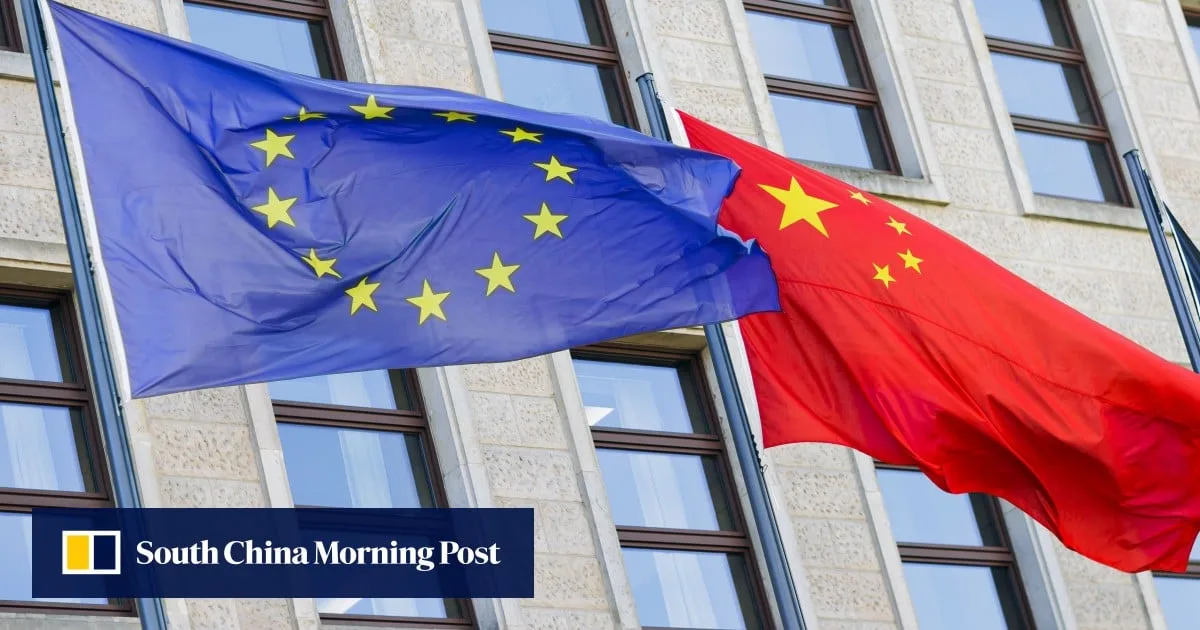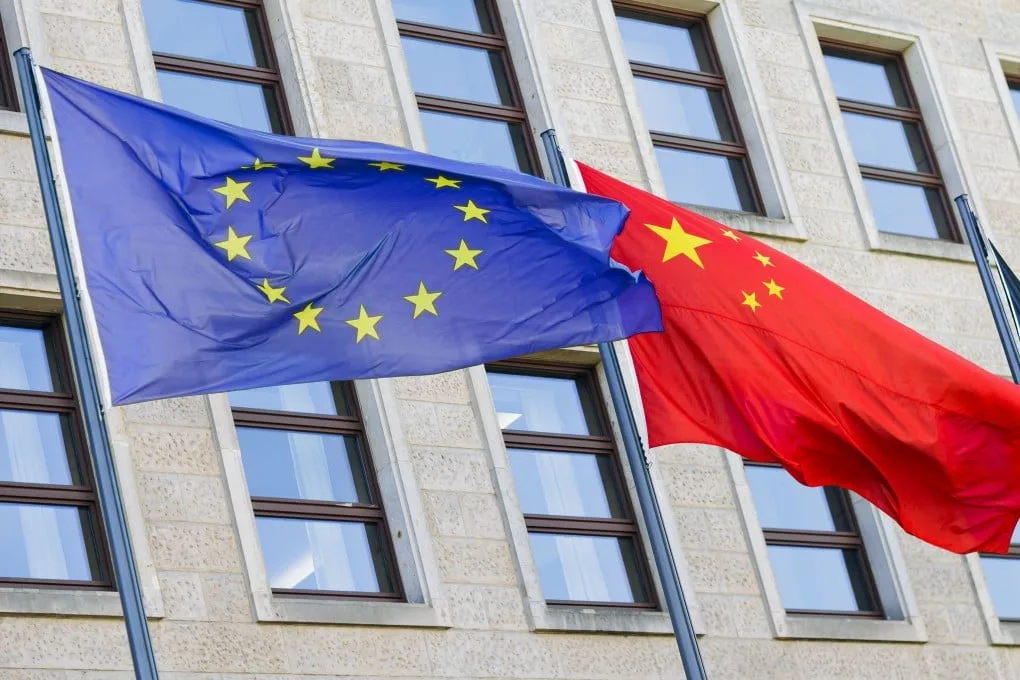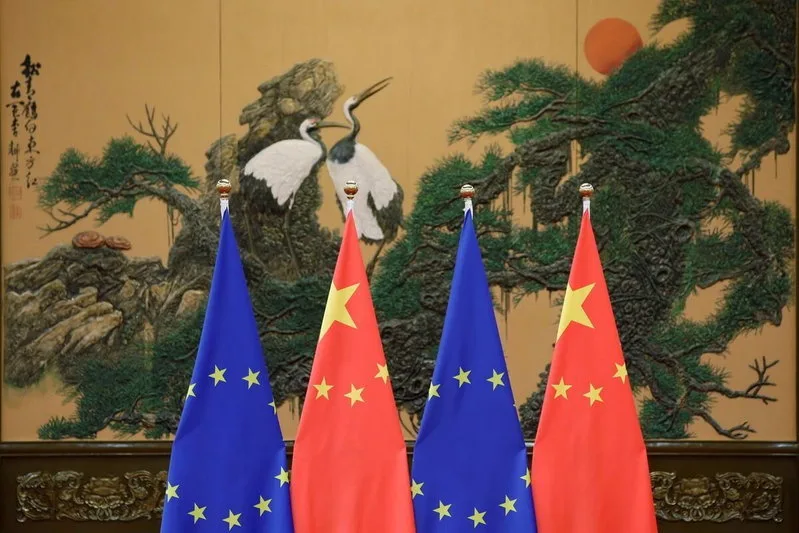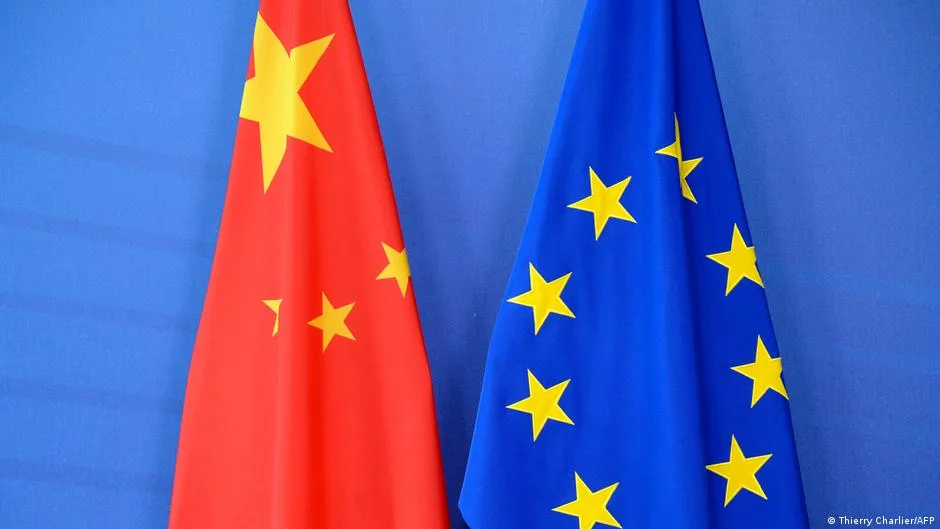
On July 24, 2026, China announced export control measures listing 14 European Union entities under its regulations effective immediately, in response to the EU's 21st round of sanctions on Russia which included 14 companies from mainland China and Hong Kong [1, 2, 3, 4, 5, 6, 7]. The Chinese measures forbid exporters from shipping dual-use items, which have both civilian and military uses, to the named EU entities, and bar foreign organizations or individuals from transferring Chinese-origin dual-use goods to them [1, 2, 3, 4, 5, 6].
Among the EU entities targeted are German defense giant Rheinmetall, Italian electric motor maker Lafert S.p.A., French drone developer Cavok UAS, Czech military and heavy truck manufacturer Tatra Trucks, Dutch maritime engineering firm IHC, Polish photonics company Vigo Photonics, and German materials supplier Sindlhauser Materials GmbH [2, 3, 4, 5, 6]. China's Ministry of Commerce cited national security, safeguarding state interests, and meeting non-proliferation obligations as legal grounds for the controls, referencing Chinese export control laws on dual-use items [1, 3, 4, 5, 6].
The Chinese mission to the EU criticized the bloc's sanctions as "egregious" and condemned the EU for unfairly targeting Chinese companies, lodging a formal protest and stating that China "firmly opposes the EU's unwarranted listing and sanctioning of Chinese companies and citizens" [2, 7]. A Commerce Ministry spokesperson said, “The EU’s 21st round of sanctions on Russia, which lists 14 Chinese and Hong Kong companies, constitutes an egregious act and China imposes countermeasures based on relevant laws and export control regulations.” [3]
Tatra Trucks, one of the affected firms, said the export controls have no operational impact because the restricted Chinese technologies or components are not used in its products, and both production and supply chains remain intact. Spokesperson Andrej Čírtek said, "The measures do not affect company operations as vehicle production does not use the restricted Chinese parts or technology, so production, supply chains, and client commitments are unaffected." [6]
The EU announced its 21st package of sanctions on Russia on July 23, 2026, naming 51 entities mainly linked to Russia’s military and defense sector, including some from China, Hong Kong, India, Turkey, UAE, Kazakhstan, and Kyrgyzstan [1, 2, 3, 4, 5]. The EU Commission spokesperson Paula Pinho said the EU is assessing China’s export controls and coordinating with member states and affected companies to understand the full impact and seek clarifications [4].
China had previously added seven European companies to its export control list in April 2026 over concerns regarding Taiwan-related military cooperation [4, 5, 6]. The new listing on July 24 marks a significant escalation, adding 14 EU entities in direct response to the EU’s measures targeting Chinese firms over Russia.
China's export controls on the 14 EU entities took effect immediately on July 24, 2026 [1, 3, 4, 5, 6]. The EU continues to evaluate the implications for member states and companies at risk.