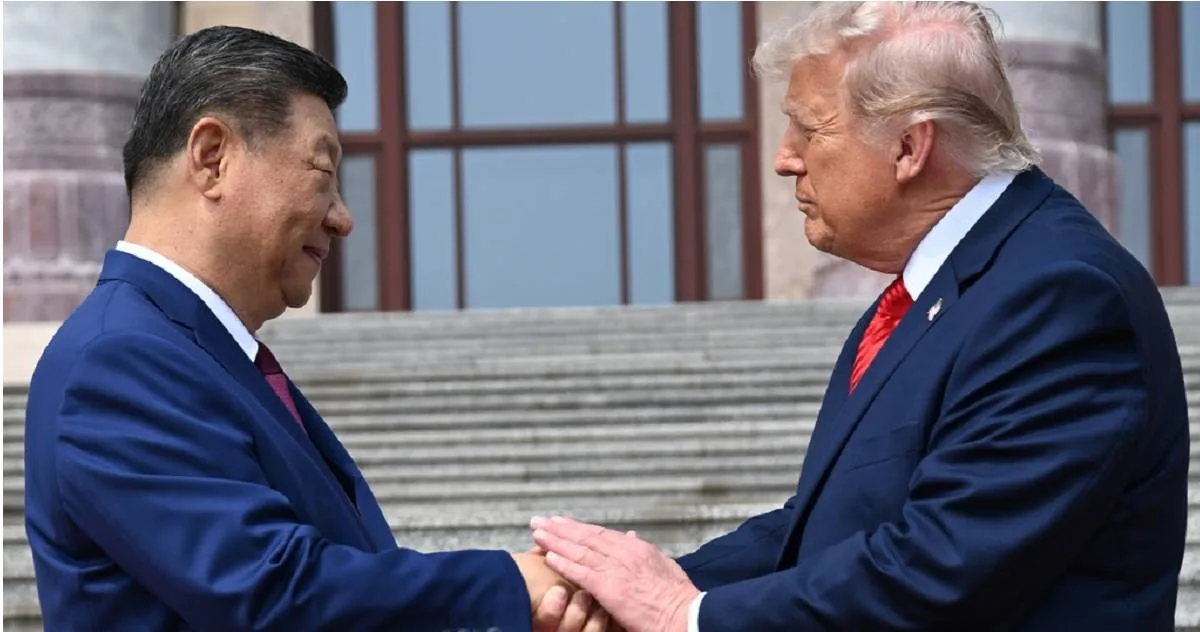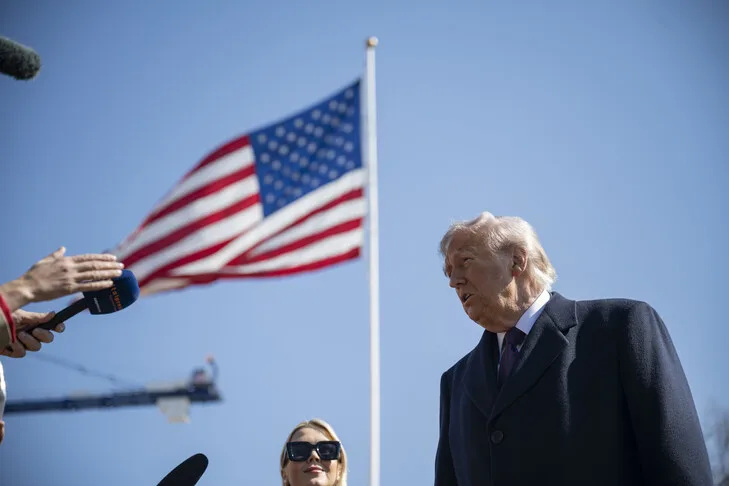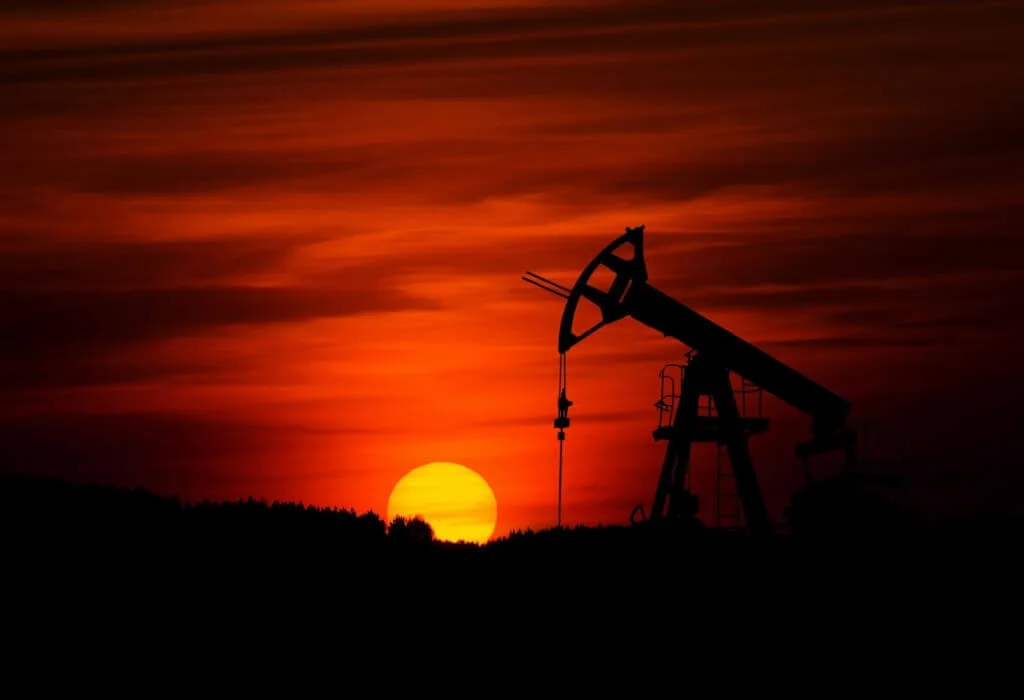
US President Donald Trump announced during a May 14 summit in Beijing that China has agreed to buy American oil. He said Chinese ships would travel to Texas, Louisiana, and Alaska to facilitate the oil trade. Trump said, "They're going to go to Texas. We're going to start sending Chinese ships to Texas, and to Louisiana, and to Alaska...that's a big thing." He added, "They have agreed they want to buy oil from the United States." The summit lasted about 2 hours and 15 minutes and marked the first visit by a sitting US president to China in nearly nine years [1, 2, 3, 4, 5].
The meeting involved discussions on trade, economic cooperation, US market access for Chinese companies, and increased Chinese purchases of US goods. Trump was accompanied by US business and technology leaders, including NVIDIA CEO Jensen Huang [1, 3, 4, 5].
Chinese President Xi Jinping emphasized that Taiwan is the most important issue in US-China relations. He warned, "If not handled well, the two countries will collide, even conflict." US Secretary of State Marco Rubio responded by reaffirming US policy, saying it "remains unchanged and opposes any forced change to the status quo" regarding Taiwan [1, 3, 4, 5].
However, the Chinese Foreign Ministry did not explicitly confirm China's agreement to buy US oil. Spokesperson Guo Jiakun said China is "willing to jointly maintain global energy security and supply chain stability," adding that "the urgent task is to promote peace and stability in the Middle East and Persian Gulf" [5].
Trump's interview announcing the oil deal was prerecorded and aired on Fox News the evening of May 14 in the US. The Chinese Foreign Ministry declined to confirm the agreement when asked by media on May 15 [1, 2, 3, 4, 5].